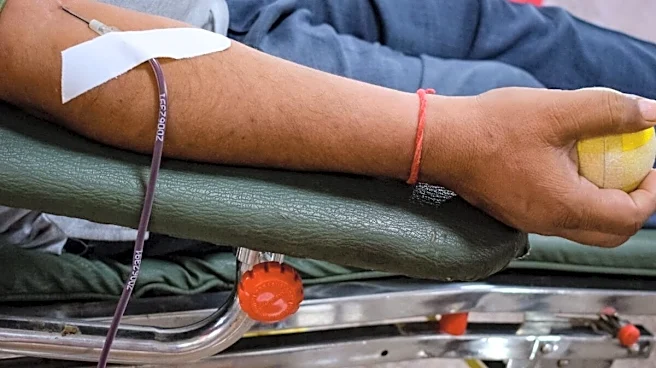




India is set to move towards a nationwide system to track blood donors, with Aadhaar- or ABHA-based authentication proposed for every donor. For patients who depend on regular blood transfusions, including those with thalassaemia and sickle cell disease, better donor tracking could mean a safer and more reliable blood supply.
The proposed system would create a digital trail of blood donation — from collection and testing to issuance — and allow donor records to be followed up after donation. It could also help blood centres identify donors who have previously been deferred or flagged as high-risk, reducing the possibility of such donors donating at multiple centres without their history being known.
India’s top drug advisory panel, the Drugs Technical
Advisory Board (DTAB), has proposed statutory changes to the health watchdog, the Central Drugs Standard Control Organisation (CDSCO), to create a nationwide donor database.
The recommendation is contained in the minutes of the 94th meeting of the Drugs Technical Advisory Board, held on August 27 and seen by News18. The panel has recommended incorporating provisions in the Drugs Rules, 1945, to make registration of blood centres on e-RaktKosh and uploading of relevant data “mandatory”.
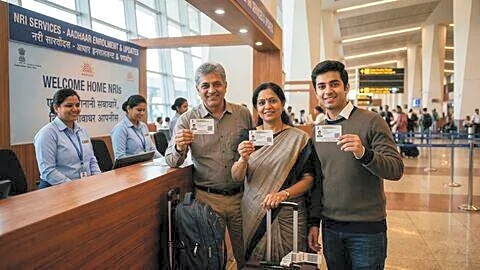
For donors, the panel has recommended authentication through an Ayushman Bharat Digital Mission or ABHA ID, or Aadhaar-linked OTP verification, to enable traceability and follow-up.
The document says the proposed upgrade will enable “robust donor traceability, comprehensive post-donation follow-ups” and help “prevent high-risk or deferred donors from immediate multi-site donations.”
The two recommendations given by the panel are “Mandating the registration of blood centres on the e-RaktKosh portal and uploading the data” and “Donor Authentication with ABDM (Ayushman Bharat Digital Mission) ID / ABHA or Aadhaar-linked OTP verification for traceability and follow-up.”
New Rule In The Making
The issue was first discussed by the Drugs Consultative Committee (DCC) in June. The DCC subsequently recommended mandatory e-RaktKosh registration and data uploading by blood centres, as well as examining mechanisms for biometric authentication of blood donors.
News18, in July, had reported the proposal discussed by the DCC.
A sub-committee constituted for this purpose recommended donor authentication through ABDM/ABHA or Aadhaar-linked OTP verification. Now, the apex panel, DTAB, has recommended that the necessary provisions be incorporated into the Drugs Rules.
If implemented, the system would represent a shift from individual blood-centre records towards a more connected national donor-tracking framework, with the potential to strengthen traceability and blood-safety monitoring.
What Do Experts Say?
Anubha Taneja Mukherjee, member secretary, Thalassemia Patients Advocacy Group (TPAG), applauded the move. “It’s a positive step in the right direction, and as a patient body we are happy to see increasing interest of the government in strengthening the voluntary blood donation framework in the country.”
Mukherjee, who is also an advocate, added, “We are sure proper donor consent will be taken, and the amendments would not infringe anyone’s right to privacy.”
Another expert, Dr JS Arora, General Secretary, National Thalassemia Welfare Society, believes that “blood transfusion is a lifeline for anyone in need, including patients with thalassemia, sickle cell disease and several other blood disorders.”
“But ensuring the safety of every unit is as important as ensuring its availability. A centralised donor record, with proper authentication, can help blood banks know a donor’s previous history and identify donors who have been deferred or advised not to donate. This can reduce gaps in the system and add an important layer of safety for patients who require repeated transfusions.”
“For real progress, the accountability should be fixed on the head of the department of the blood bank and director of the institute,” Dr Arora said.
Dr Sanjiv Sharma, haematologist and Bone Marrow Transplant Specialist at Paras Hospital, said: “Patients who require regular blood transfusions often face uncertainty around the availability of blood, particularly during periods of shortage. A verified and connected donor database can help blood centres maintain a more reliable pool of donors and reach suitable donors when required. It can also make it easier to keep track of a donor’s previous history across different centres. If implemented properly, this can improve both the availability and safety of blood for patients.”

/images/ppid_59c68470-image-178974252626515876.webp)