

/images/ppid_59c68470-image-17879825287878392.webp)
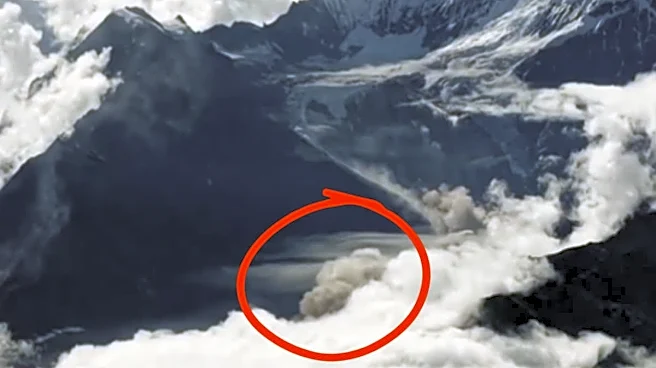
A massive ice-rock avalanche near Nepal’s border with Tibet sent a devastating surge of water, sediment and boulders through river systems in the Himalayan nation, with water levels reportedly shooting up by as much as nine metres in just 30 minutes.
The disaster has killed at least 162 people in Nepal, while hundreds remain missing as rescue teams continue to search through areas buried under mud and debris.
Experts studying satellite imagery believe the flash flood may have begun when a large section of a glacier broke away and crashed onto the valley floor hundreds of metres below.
How Did The Disaster Begin?
The National Disaster Risk Reduction and Management Authority said the flood originated in the Lhende River, following a landslide around 20 km northeast of the Nepal-China
border crossing.
Also Read: Villages Swallowed, Only Muddy Remnants Left: Aerial Footage Captures Nepal Flood Devastation
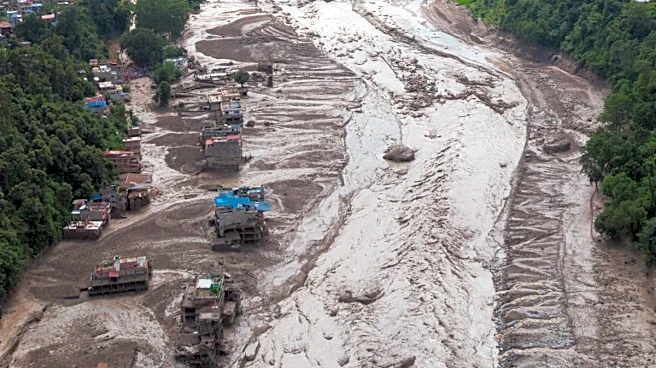
Satellite images from Planet Labs, reviewed by Reuters, show a dramatic transformation of the landscape. Mountainsides that were previously covered in green vegetation now appear buried beneath vast quantities of brown sediment and debris.
Vikram Gupta, an engineering geologist at India’s Sikkim University, said the imagery provided strong evidence that part of the glacier had collapsed.
“It’s confirmed that a substantial portion of that glacier snout collapsed to initiate the event – probably including or entraining a fair amount of rock and sediment,” Gupta said.
Nepalese geologist Prakash Pokharel, who also examined the satellite imagery, described the event more directly.
“The flash floods were caused by an ice-rock avalanche on the Nepali side,” he said.
Did An Earthquake Trigger The Avalanche?
Nepal’s Foreign Minister Shisir Khanal told Parliament that an earthquake was recorded in the Tibet region at 8:37 am local time, followed by reports of the flash flood three minutes later. This initially raised the possibility that the tremor had triggered a glacial collapse.
Also Read: Bridges Gone, Villages Swept Away, 160 Killed: What We Know About Nepal’s Deadly Flash Floods
However, the US Geological Survey later said the seismic signal recorded around the time was associated with the collapse of glacial rock and ice rather than a conventional earthquake triggering the event.
The resulting mass of mud, rock and water moved into the Bhote Koshi River before entering the Trishuli River at Timure in Rasuwa district.
How Did The Flood Become So Destructive?
The ice and rock collapse unleashed enormous quantities of debris into the Lhende River, sending a powerful flow into the Bhote Koshi and subsequently the Trishuli river system.
The sheer speed of the surge illustrates the force of the disaster. In the Galchhi area downstream, water levels reportedly climbed by up to nine metres, around 30 feet, within just half an hour.
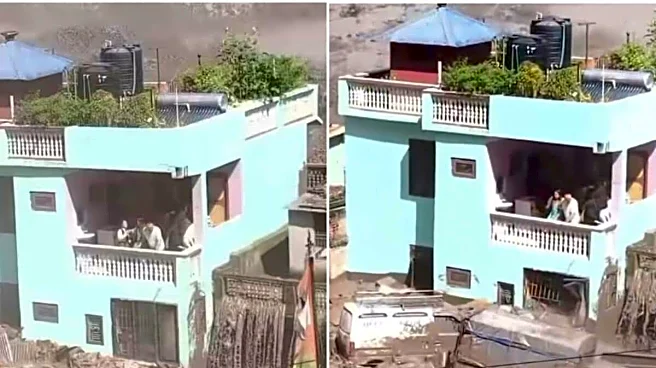
The torrent carried mud, rocks and boulders downstream, destroying infrastructure and inundating settlements along its path.
Also Read: Nepal Flash Floods Renew Fears Over China’s Monster Dam On Brahmaputra. Is It A ‘Water Bomb’ Near India?
The worst-hit districts included Rasuwa and Dhading, with floodwaters later reaching Nuwakot, Chitawan, Gorkha, Tanahu and Nawalparasi East.
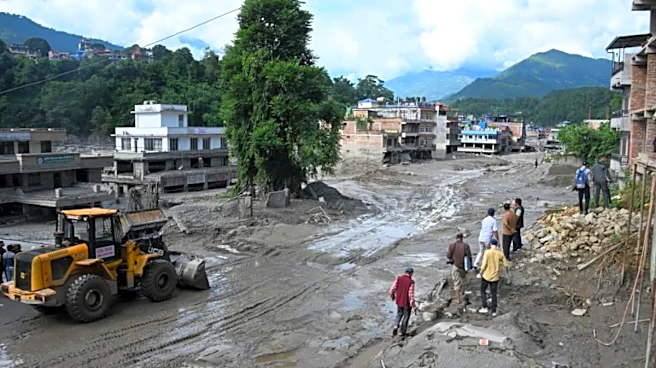
Aerial footage from rescue operations showed roads, bridges and buildings either submerged or swept away, leaving large areas covered in mud and debris.
Officials said 19 motorable bridges were washed away. The 42-km road connecting Betrawati in Nuwakot with the Rasuwagadhi border crossing in Rasuwa was also destroyed.
What Is The Situation Now?
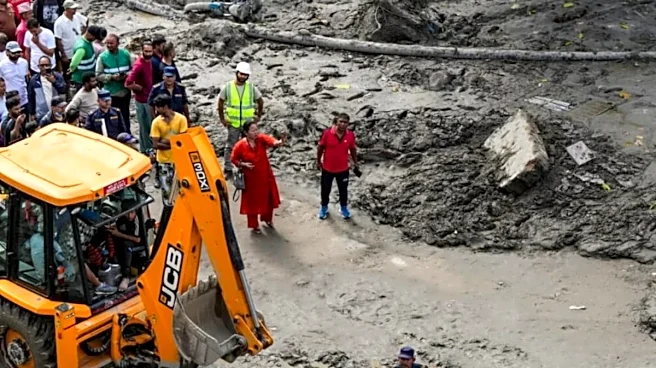
The disaster remains a major rescue operation, with authorities on both sides of the Nepal-Tibet border searching for people who are missing.
Nepal’s government has said more than 300 travellers remain unaccounted for, while earlier officials reported that hundreds of people were missing across the affected areas.
Rescue teams have faced major obstacles, including destroyed roads and bridges, damaged communications and electricity infrastructure, and continuing risks along the river system.
The Nepal Army has deployed helicopters to evacuate survivors and transport medical teams and supplies. Around 100 people had already been rescued from different locations, according to officials.
Authorities have also warned that the danger may not be over. A lake formed behind a blockage in the river had not been completely drained, prompting warnings for people living near the Bhote Koshi and Trishuli rivers to remain away from the waterways.
With inputs from Reuters, AFP
/images/ppid_59c68470-image-178807002755920538.webp)


/images/ppid_59c68470-image-178816004222644471.webp)


/images/ppid_59c68470-image-178791253661980644.webp)