
/images/ppid_59c68470-image-177846515038422796.webp)

/images/ppid_59c68470-image-177856752682674381.webp)
The Centre has increased customs duty on several categories linked to imports of gold, silver and other precious metals through a set of Finance Ministry notifications issued on Tuesday.
The revised rates, which will come into effect from May 13, raise customs duty to 10% across multiple tariff categories related to precious metals, jewellery findings and industrial imports.
Issued by the Department of Revenue under the Customs Act, the notifications amend earlier customs notifications issued in 2000, 2018, 2021 and 2025.
The changes apply to imports falling under tariff headings linked to gold, silver, platinum and related precious metal products, including jewellery components such as hooks, clasps, clamps, pins and screw backs used in manufacturing.
Import duty on gold and other precious metals has been increased, and the revised rates will come into effect from midnight tonight pic.twitter.com/7iWfOFp6j6
— IANS (@ians_india) May 12, 2026
The government has also revised duty provisions for imports of spent catalysts or ash containing precious metals meant for recovery and recycling purposes. According to the notification, such imports will also attract 10% customs duty subject to specified conditions.
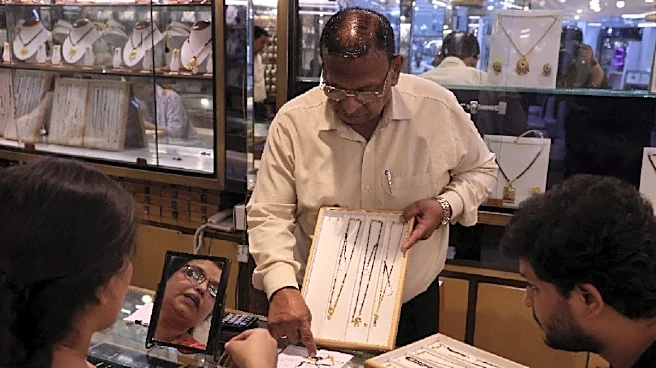
The move is expected to increase import costs for bullion traders, jewellery manufacturers, refiners and other businesses dealing in precious metals and related industrial products.
The notifications stated that the revised duty structure would take effect from May 13 midnight.
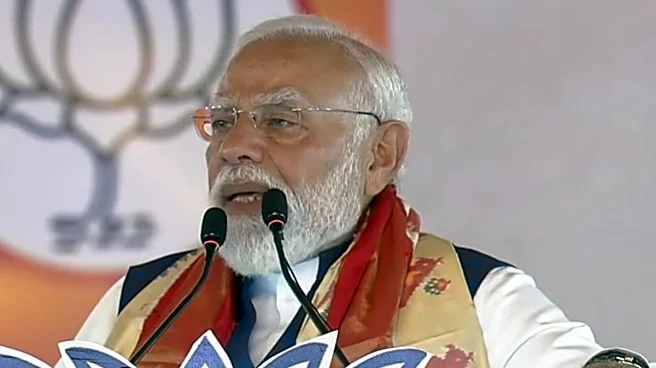
Meanwhile, with tensions continuing to escalate in West Asia, Prime Minister Narendra Modi has urged citizens to delay gold purchases and cutting down on foreign travel, as the government looks to shield the economy from the fallout of the conflict.
The appeal comes at a time when India’s soaring gold imports have come under renewed focus. The country’s gold imports rose over 2% to a record $71.98 billion in 2025-26, up from $58 billion in the previous fiscal year.
Imports stood at $45.54 billion in 2023-24 and around $35 billion in 2022-23.
India remains the world’s second-largest consumer of gold after China, with demand driven largely by the jewellery sector and household savings. Gold is traditionally considered a safe-haven asset in India.
/images/ppid_59c68470-image-177860003642019301.webp)

/images/ppid_59c68470-image-177855264332452312.webp)
/images/ppid_59c68470-image-17785825581012533.webp)
/images/ppid_59c68470-image-177847282585122485.webp)

/images/ppid_59c68470-image-177847503160241483.webp)
/images/ppid_59c68470-image-177851753311348026.webp)
/images/ppid_59c68470-image-177851253245315761.webp)