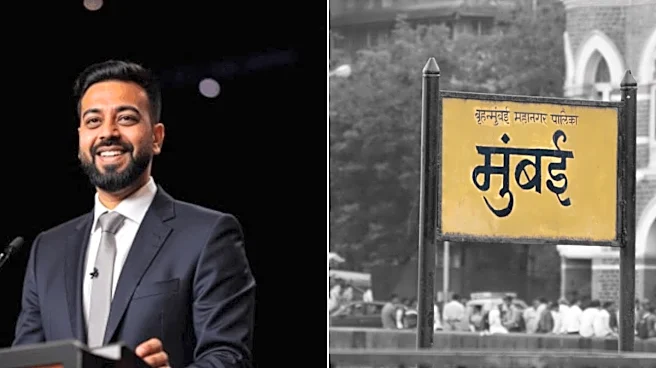

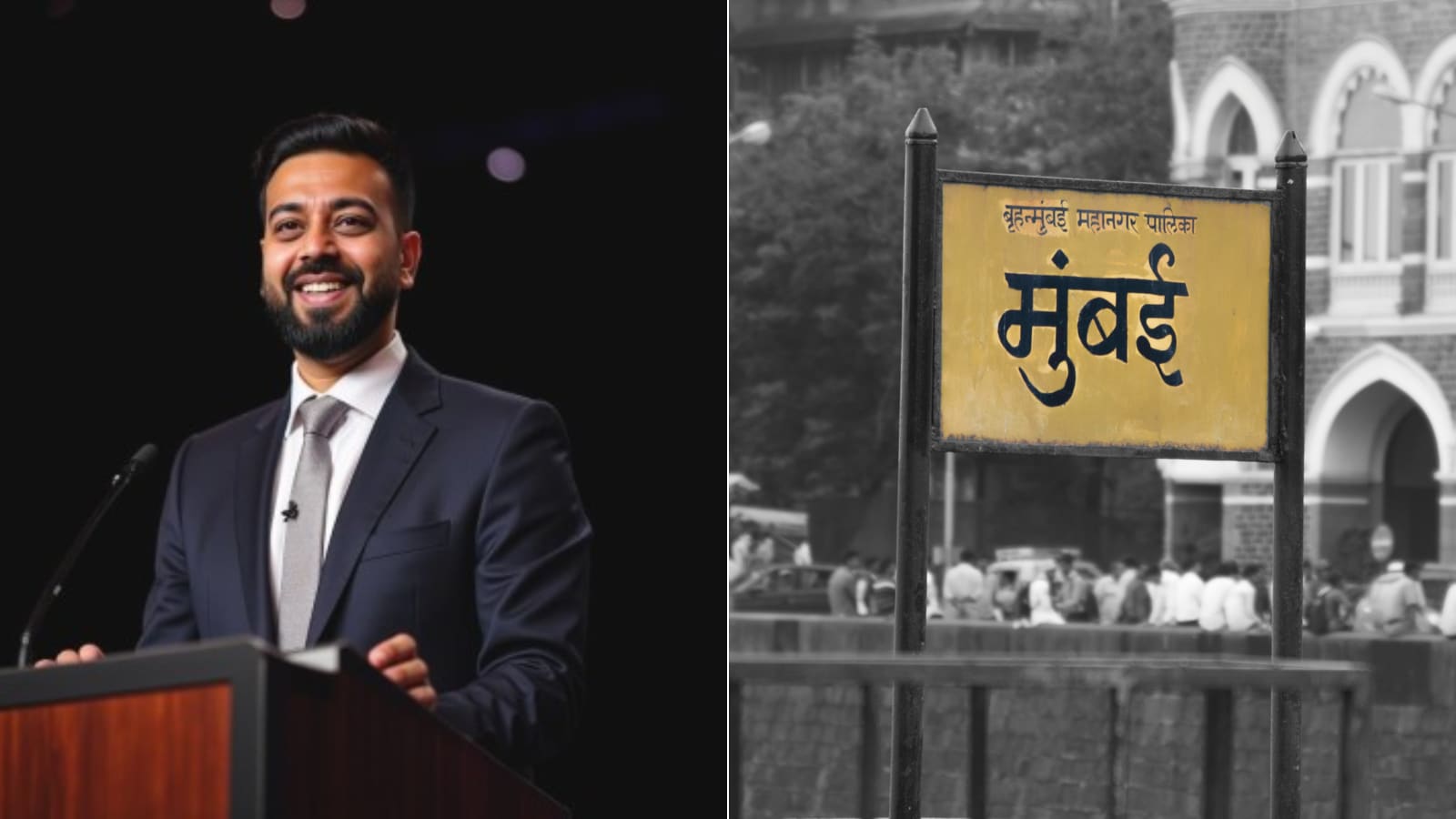
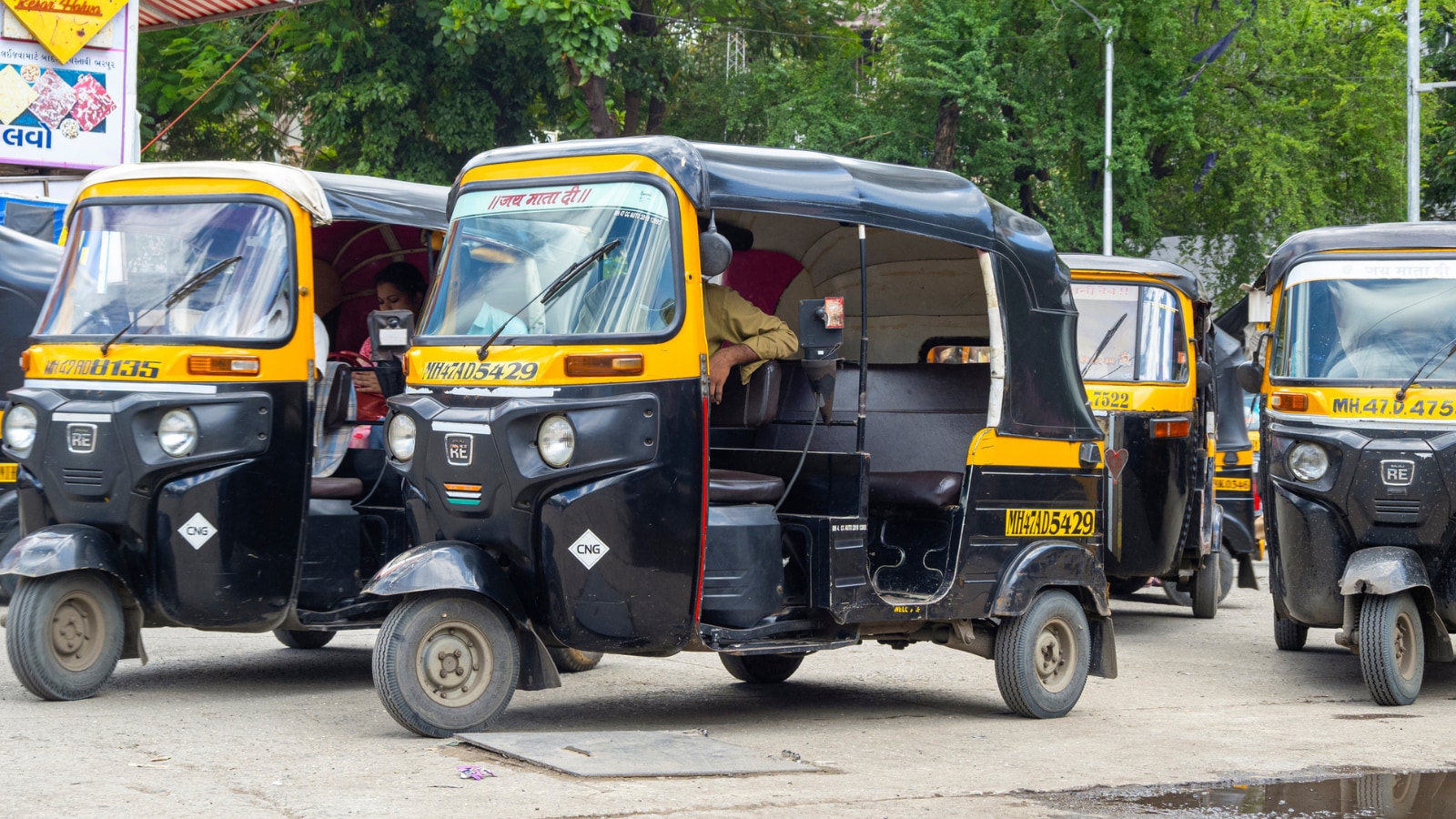
Most people relocating between Bengaluru and Mumbai often prepare themselves for familiar challenges such as soaring rents, crowded commutes, endless traffic, or drastic weather changes. But for talent acquisition manager Mayank Kumar, his biggest culture shock came from an experience involving Mumbai’s auto rickshaw drivers
In a LinkedIn post that has since attracted widespread attention, Kumar recounted how a seemingly ordinary auto ride changed his perception of the city and even reminded him of an important lesson from his professional life in recruitment.
Sharing details of his recent relocation, Kumar wrote that he had expected the usual differences between the two metropolitan cities. Yet what stood out most was the ease and courtesy he encountered
while trying to hail an auto.
Reflecting on his time in Bengaluru, Kumar humorously described the process of finding an auto as feeling similar to “clearing a final interview round.” He joked that passengers often find themselves navigating a familiar series of responses, including refusals, requests for cash payments, reluctance to use the meter, or suggestions to cancel app-based rides.
His perception shifted after an incident that occurred while he was staying at a hotel in Mumbai. According to Kumar, reaching the main road from the hotel required a steep uphill walk. One day, after spotting an auto rickshaw that had just dropped off a passenger, he approached the driver and asked if he could be taken to Lokhandwala.
The driver declined the trip, explaining that he had another commitment scheduled and would not be able to return in time if he accepted the ride. However, what happened next caught Kumar off guard.
Rather than simply driving away, the auto driver offered to help. He invited Kumar to sit in the vehicle and offered to drop him at the main road so he could more easily find another ride.
Kumar admitted that his experiences in Bengaluru initially made him suspicious that some form of fare negotiation would follow. Instead, the driver refused to accept any payment, drove him to the main road and even flagged down another auto on his behalf.
The driver reportedly informed the second auto driver that Kumar was new to the city and requested that he be taken to Lokhandwala.
The second ride, Kumar said, was equally hassle-free. The meter was switched on immediately, there was no bargaining over the fare and the journey proceeded without any disputes over the route. To his surprise, the final fare was even lower than the estimates shown by ride-hailing apps.
A Key Lesson
Beyond being a pleasant travel experience, the incident also reminded Kumar of an important principle in recruitment. Drawing parallels with candidate experience, he argued that people often remember small acts of professionalism and consideration more than large-scale branding initiatives.
He noted that candidates are more likely to remember recruiters who keep them informed, hiring managers who respect interview schedules and coordinators who go out of their way to assist applicants. According to Kumar, reducing friction and treating people with respect can leave a lasting impression.
While acknowledging that every city has its strengths and drawbacks, Kumar jokingly remarked that Bengaluru offers excellent weather but often challenging auto negotiations, while Mumbai’s humidity can be difficult to deal with. At the same time, he praised the helpful nature of many people he has encountered in the city so far.
The post quickly went viral, with many users sharing their own experiences and opinions about Mumbai’s auto-rickshaw culture.
One user wrote, “I am in Mumbai for last 2 years and worked or travelled many cities i can tell you that Mumbai auto drivers are most polite and on rare occasion they say no and always ride on meter. Most important most of them accept digital payment.”
Another commenter appreciated the comparison Kumar drew with recruitment, saying, “This is such a “warm” take on the city – pun intended. And I love how you’ve connected it with Recruiting experience. I do second that the biggest impact comes from small but intentional efforts.”
Not everyone agreed with Kumar’s assessment. A third user offered a contrasting perspective, writing, “The Mumbai auto experience you narrated is completely misplaced. Autos here, with the exception of a very very few, don’t down meters but state upfront the rate.
In fact, getting an auto for the first and last mile to/from airport from the nearest metro station is a nightmare. You will soon find out, that is, if you are forced to take an auto. Good luck.”
Others echoed Kumar’s positive experience. One commenter wrote, “Welcome to Mumbai! Trust me when I say Mumbai auto is one of the best lifesavers to explore the city…”
Another user shared a lengthy personal account, praising the kindness of Mumbai residents and recalling instances where auto drivers voluntarily offered assistance while the user was recovering from a leg injury. The commenter also highlighted the city’s women-driven pink autos and described Mumbai as a place that creates opportunities regardless of gender or social background.
A further response reassured Kumar, stating, “Be assured Mayank. Here in Mumbai most of the people are like that only. Always ready to help if they can.”
/images/imfZ6nBC-image-178088853565746568.webp)



/images/ppid_59c68470-image-17808125254439577.webp)