
/images/ppid_a911dc6a-image-177782502570798537.webp)
/images/ppid_a911dc6a-image-177788463958940592.webp)
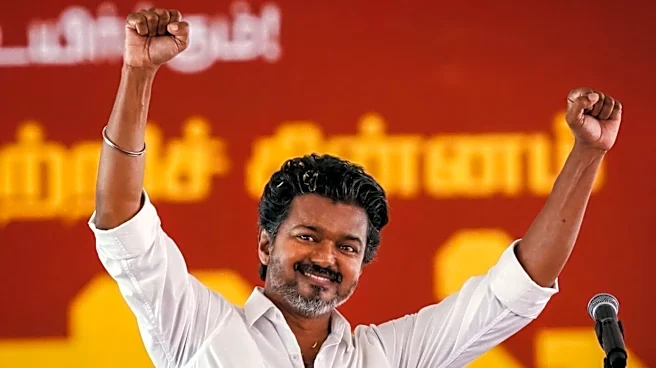
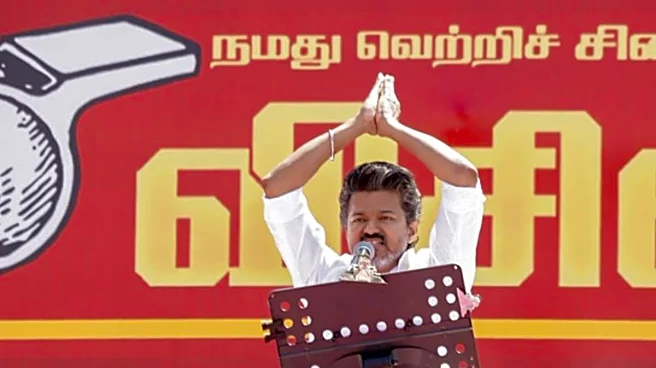
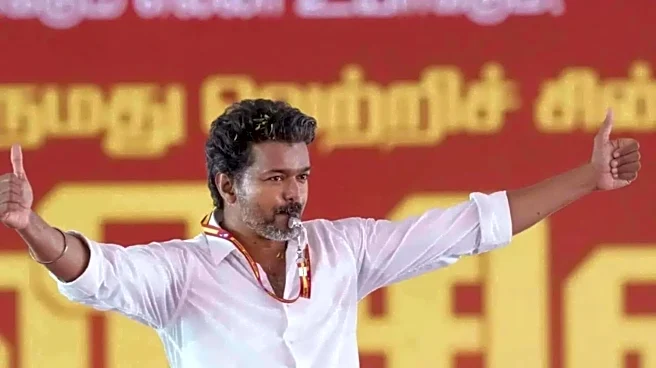
Tamil Nadu Election 2026: As “Thalapathy” Vijay secures a historic foothold in the 2026 Tamil Nadu elections, the focus has shifted from his political debut to the monumental challenge of governance.
Withthe Tamilaga Vettri Kazhagam (TVK) emerging as a dominant force, Vijay faces the daunting task of delivering on a 95-page manifesto containing 336 specific commitments.
While the path to power is now clear, a final hurdle remains: Vijay has yet to secure the absolute majority required to govern alone. To bridge this gap and form the next government, he must now navigate the complexities of coalition politics and secure the formal support of key alliance partners.
Also Read | Tamil Nadu Crowns Its ‘Jana Nayagan’: How Vijay Could Form The Govt | 3
Scenarios Explained
The “Vijay Model” of Welfare: Key Promises
Vijay’s platform is built on an aggressive expansion of the state’s social safety net, targeting women, youth, and the rural economy:
Women’s Empowerment: A flagship monthly handout of ₹2,500 for women heads of households, six free LPG cylinders annually, and a sovereign (8 grams) of gold accompanied by a silk saree for indigent brides.
Youth & Education: Collateral-free education loans up to ₹20 lakh (extending from Class 12 to PhD levels), monthly unemployment allowances of ₹4,000 for graduates, and the creation of 5 lakh “CM People Service Associate” roles at the village level with a monthly salary of Rs 18,000.
Social Security: Monthly pensions of Rs 3,000 for the elderly, widows, and differently-abled persons, alongside Rs 20,000 in relief for fishermen during the annual fishing ban.
The Fiscal Reality Check
While these promises resonated deeply with voters, they have triggered alarm bells among financial analysts. According to Dinamalar report, the cumulative cost of fulfilling all 336 commitments could reach a staggering Rs 12 lakh crore per year.
Tamil Nadu’s total estimated expenditure for the 2025-26 fiscal year stands at approximately Rs 4.39 lakh crore.
Vijay’s welfare agenda would require funding nearly three times the size of the state’s entire current annual budget.
With committed expenditures (salaries, pensions, and interest) already consuming over 60% of the state’s revenue, experts warn that such a massive outlay could push the state’s fiscal deficit to unsustainable levels.
Vijay has countered these fiscal warnings by alleging that systemic corruption currently siphons off 30% of the state budget. His administration’s “impossible” bet relies on the theory that by eliminating these leakages—what he calls the “Stalin Sir Tax”—the government can recover nearly Rs 1 lakh crore annually to fund these ambitious schemes.
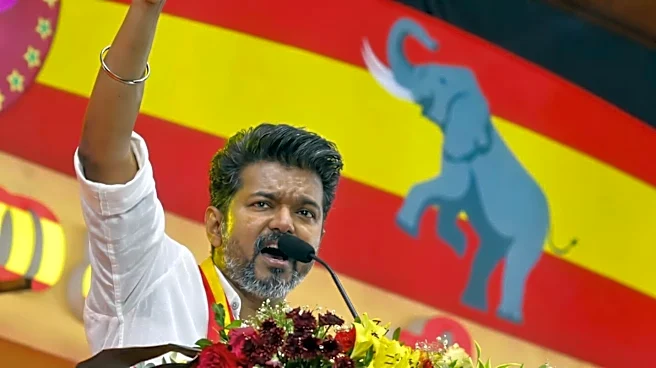
As the TVK prepares for government formation, the transition from “Jana Nayagan” (People’s Leader) to “Chief Administrator” will be defined by whether he can bridge this massive Rs 7.6 lakh crore gap between populist promise and fiscal reality.

/images/ppid_a911dc6a-image-177790203269941224.webp)




/images/ppid_a911dc6a-image-177788785928996891.webp)