

/images/ppid_a911dc6a-image-178237505613231491.webp)



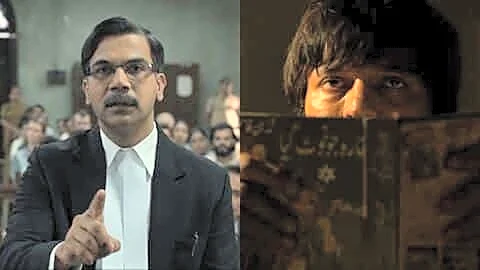
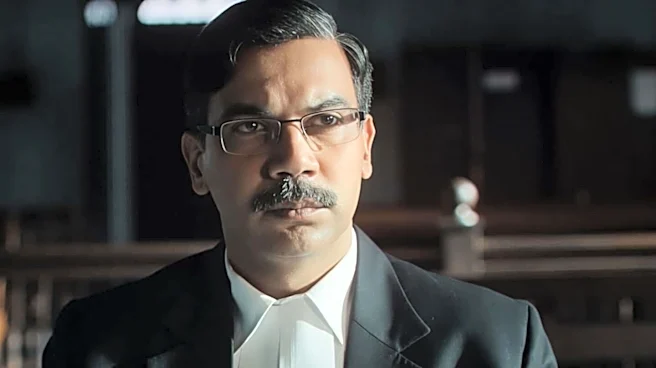
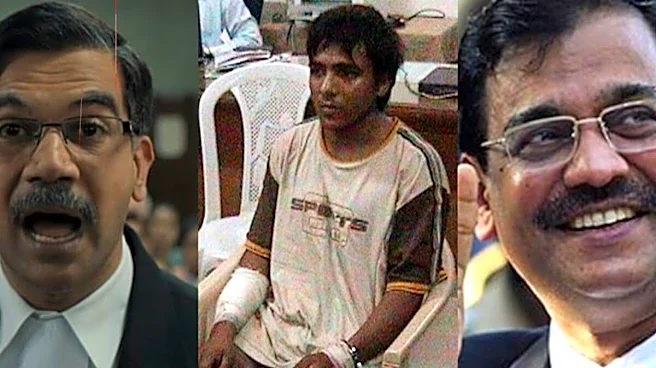
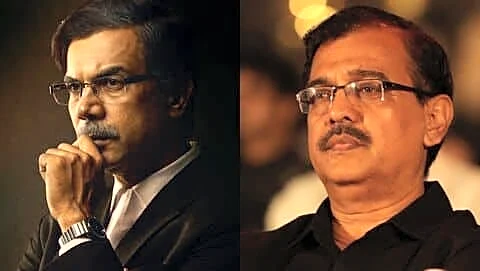
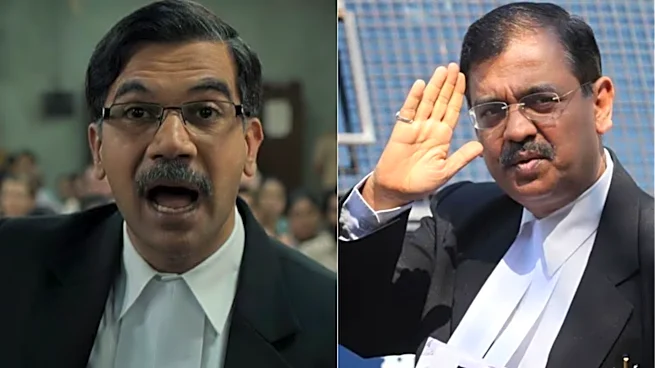
The teaser of Prahaar: The Ujjwal Nikam Story has brought one of India’s most closely watched terrorism trials back into public conversation. The upcoming biographical courtroom drama, starring Rajkummar Rao as special public prosecutor Ujjwal Nikam, revisits the legal battle that followed the 26/11 Mumbai terror attacks and the trial of Ajmal Kasab, the lone surviving attacker.
But alongside the memory of the trial itself, another controversial chapter has returned to the spotlight: the so-called “biryani myth”.
For years, many Indians believed that Kasab had demanded mutton biryani while in custody, and that the state had served it to him. The story spread widely at the time and became a symbol of public anger. To many, it seemed outrageous
that a terrorist responsible for one of the deadliest attacks in India’s history was allegedly being given special treatment.
Years later, Ujjwal Nikam himself admitted that the biryani story was not true. He had made it up.
That admission turned a courtroom anecdote into a major ethical debate. Was it a clever prosecutorial strategy in an extraordinary case? Or was it a dangerous example of emotional manipulation during a high-profile trial?
As Prahaar prepares for release, the controversy offers a useful way to understand the complicated intersection of law, media, public emotion and national trauma.
The 26/11 Trial And Why It Was Unlike Any Other Case
On November 26, 2008, ten Lashkar-e-Taiba terrorists launched coordinated attacks across Mumbai. The assault lasted for days, leaving 166 people dead and hundreds injured. The attacks targeted major public places, including the Taj Mahal Palace Hotel, Chhatrapati Shivaji Terminus, Cama Hospital, Nariman House and other locations.
Nine of the attackers were killed. Ajmal Kasab was captured alive.
His capture made the trial one of the most significant criminal cases in modern Indian history. It was not just a legal proceeding. It was also a national moment loaded with grief, anger and the demand for justice. Kasab became the visible face of the attacks, and every development in the case was followed closely by the media and the public.
Ujjwal Nikam, already known for handling several high-profile cases, was appointed special public prosecutor. His job was to present the state’s case against Kasab and secure a conviction. The stakes were enormous. The trial had to withstand public pressure, international scrutiny and the emotional weight of an attack that had shaken the country.
Kasab was eventually convicted and sentenced to death. He was executed in 2012.
But during the course of the trial, one story travelled far beyond the courtroom.
What Was The Kasab Biryani Story?
At one point, reports emerged that Kasab had demanded mutton biryani in custody and that he was being served special non-vegetarian food. The claim spread rapidly across newspapers, television debates and public conversations.
In a country still mourning the victims of 26/11, the story landed like a provocation. The idea that Kasab could ask for biryani, or be given any perceived comfort, created deep outrage. It fed into an already intense public mood and reinforced the image of Kasab as arrogant, unrepentant and undeserving of basic sympathy.
The biryani story became more than a detail. It became a symbol.
It was repeated as proof that the state was being too soft. It was used in arguments about taxpayer money, prison privileges and the slow pace of justice. It made Kasab appear not merely as an accused terrorist facing trial, but as someone mocking the pain of the country.
That was the emotional power of the story. But the problem was simple: it was not true.
Ujjwal Nikam’s Admission: Why He Said He Invented It
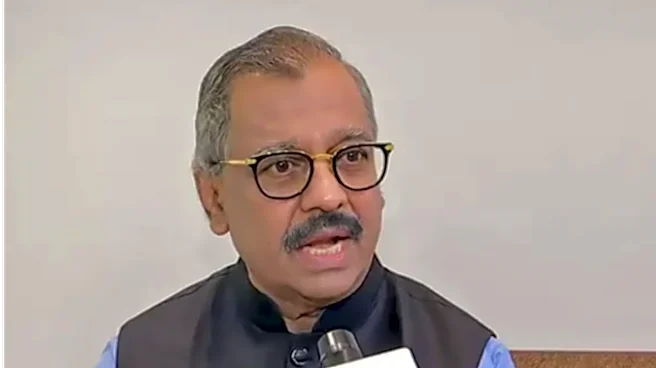
In 2015, years after Kasab’s execution, Ujjwal Nikam made a startling admission during an international conference on counter-terrorism in Jaipur. He said that Kasab had never demanded biryani and had never been served it by the government.
Nikam said, “Kasab never demanded biryani and was never served by the government. I concocted it just to break an emotional atmosphere which was taking shape in favour of Kasab during the trial of the case.”
According to Nikam, he believed there was a softening of public sentiment around Kasab at a certain point during the trial. He claimed that the accused had lowered his head in court and appeared emotional, which, in his view, risked creating sympathy.
Nikam said he invented the biryani anecdote to break that mood.
In other words, the story was not about food. It was about controlling perception.
Nikam’s position was that the country could not afford emotional confusion around a terrorist accused in such a serious case. His critics, however, argued that a prosecutor’s job is not to manage public sentiment through falsehoods. His duty is to rely on evidence, law and facts.
That is where the controversy begins.
Why The Biryani Myth Became So Controversial
The biryani episode remains controversial because it raises uncomfortable questions about legal ethics. A public prosecutor is not merely another lawyer trying to win a case. The role carries a special responsibility to the justice system. A prosecutor must present facts, assist the court and ensure that justice is done, not simply secure a conviction at any cost.
Nikam’s admission therefore troubled many legal observers. If a prosecutor knowingly spreads false information during a trial, even outside the courtroom, does it weaken the moral legitimacy of the process? Does it turn a legal proceeding into a media-managed spectacle? Does it create public pressure that could influence how people understand the case?
There is also the issue of precedent. If falsehood can be justified in one case because the accused is universally hated, where is the line drawn? The rule of law is tested most severely in cases where public anger is at its peak. Even the worst accused person must be tried on evidence, not rumour.
That is why the controversy did not disappear even after Kasab’s conviction and execution. The question was never whether Kasab was guilty. The court found him guilty after a full trial. The question was whether a false story should have been used to shape the atmosphere around the case.
The Supporters’ View: Extraordinary Case, Extraordinary Tactics
Those who defended Nikam argued that the Kasab trial was no ordinary case. India had witnessed a horrific terror attack, and the accused was the only surviving member of the group that carried it out. Public anger was natural, and the country wanted justice.
From this perspective, Nikam’s supporters saw the biryani story as a psychological tactic rather than a legal violation. They argued that it did not alter the evidence, the charges or the court’s final decision. The case against Kasab rested on substantial material, including witness accounts, CCTV footage and other evidence.
For supporters, the biryani story may have been dramatic, but it did not change the core facts of the case. They also accepted Nikam’s explanation that he wanted to prevent sympathy from building around Kasab, especially in a highly emotional national trial.
This argument, however, is precisely what makes the debate complicated. It asks whether truth can be compromised in the name of a larger emotional or national objective. For many critics, the answer is no.
The Media’s Role In Turning A Falsehood Into Public Memory
The biryani myth also exposed how quickly media narratives can harden into public truth. Once the story entered the news cycle, it was repeated widely. It was discussed in homes, tea stalls, offices and television studios. It became a shorthand for public outrage.
By the time Nikam admitted the story was false, the myth had already done its work.
This is one of the most important lessons from the episode. In high-profile trials, especially those involving terrorism, public emotion can be shaped by details that may not have been tested in court. A single anecdote can become more memorable than a legal argument. A striking image can overpower nuance.
The biryani story was powerful because it was simple. It did not require legal knowledge. It gave people an emotional reason to feel angrier. That simplicity made it travel.
Correcting it later was far harder.
Why Prahaar Has Renewed Interest In The Controversy
Prahaar: The Ujjwal Nikam Story has brought this debate back because the film focuses on the man at the centre of the Kasab trial. Rajkummar Rao plays Ujjwal Nikam in the film, which is being positioned as a courtroom drama about justice, national trauma and the prosecution of one of India’s most infamous terrorists.
The teaser has already sparked curiosity about how the film will portray Nikam. Will it present him mainly as a heroic figure who fought for justice after 26/11? Will it explore the ethical grey areas of his public tactics? Will it include the biryani controversy at all?
That question matters because biographical films often shape popular memory. For many viewers, Prahaar may become their introduction to Nikam’s role in the Kasab case. If the film chooses to address the biryani myth, it will have to decide whether to frame it as a necessary tactic, a moral compromise, or a troubling example of media manipulation.
Any of these choices will invite debate.
What The Biryani Myth Reveals About High-Profile Trials
The Kasab biryani controversy reveals how fragile the boundary can become between courtroom justice and public spectacle.
In theory, trials are decided on evidence presented before a judge. In practice, high-profile cases also unfold in a second court: the court of public opinion. Television coverage, newspaper headlines, political statements and viral anecdotes all create an emotional atmosphere around the trial.
This does not necessarily change the legal outcome, but it can change how the public experiences the case. It can influence what people remember, what they forget and what they believe justice should look like.
The biryani myth shows how one false detail can become part of national memory because it satisfies an emotional need. After 26/11, India was grieving and furious. The story gave that anger a specific target and an easily repeatable image.
But justice systems are not meant to satisfy anger alone. They are meant to establish guilt through lawful process. That is why the controversy continues to matter.
The Larger Question: Can A Falsehood Serve Justice?
At the heart of the debate is a difficult question: can a falsehood ever be justified if the larger cause is justice?
Nikam’s defenders may argue that Kasab’s guilt was never in doubt and that the fabricated story did not affect the evidence. Critics would respond that truth is not optional in a legal process, especially for someone representing the state.
A prosecutor carries the moral weight of the justice system. If that person uses fiction to influence public emotion, it risks damaging trust in the process. Even when the accused is guilty, the system must remain accountable to facts.
This is not about sympathy for Kasab. It is about the standards a democracy must uphold when prosecuting even its most hated accused.
That is what makes the biryani myth more than a strange footnote. It is a warning about how easily outrage can become a substitute for truth.
Why The Debate Still Matters Today
The controversy remains relevant because India continues to live in an age of fast-moving media narratives. Court cases now unfold alongside hashtags, television debates, influencer commentary and viral misinformation. Public opinion forms quickly, often before all facts are known.
In such an environment, the responsibility of legal officials, journalists and filmmakers becomes even greater. A dramatic story may generate outrage, but it can also distort reality. Once misinformation becomes emotionally satisfying, it becomes difficult to undo.
The Kasab biryani myth is an early example of that problem. It shows how a fabricated detail can survive long after being debunked because it became embedded in public feeling.
As Prahaar releases, viewers may again revisit Nikam’s role, the trial and the moral questions surrounding the case. The film’s treatment of the controversy could shape how a new generation understands one of India’s most consequential trials.
The Bottom Line
The Kasab trial was always going to occupy a significant place in Indian legal and political history. Ajmal Kasab was the lone surviving terrorist of the 26/11 attacks, and his conviction and execution became a defining moment in the country’s response to terrorism.
But the biryani myth added another layer to that history. It revealed how law, media, emotion and strategy can collide in cases of national importance. Ujjwal Nikam’s admission that he fabricated the story did not change Kasab’s guilt, but it did complicate the legacy of the prosecution.
As Prahaar: The Ujjwal Nikam Story brings the case back into the cinematic spotlight, the controversy remains worth revisiting. It asks a question that goes beyond one trial and one prosecutor: when a nation is grieving and demanding justice, how much room should there be for narrative manipulation?
The answer is uncomfortable, but important. Justice may need courage, strategy and persistence. But if it loses its commitment to truth, even a victorious trial can leave behind a troubling aftertaste.
/images/ppid_59c68470-image-178245502577798787.webp)


/images/ppid_a911dc6a-image-17825710288672716.webp)


/images/ppid_a911dc6a-image-178256408388250579.webp)