

/images/ppid_a911dc6a-image-177645787019181784.webp)
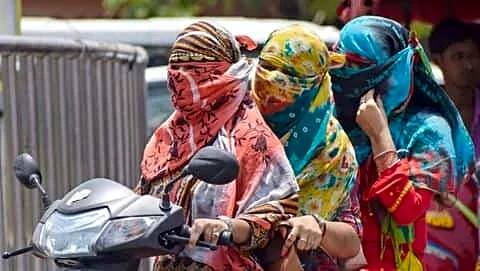
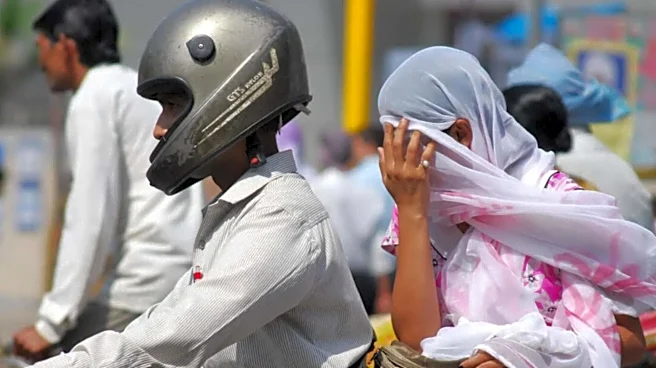
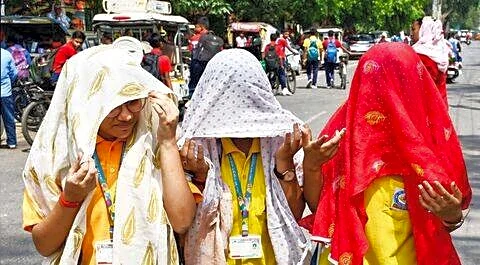
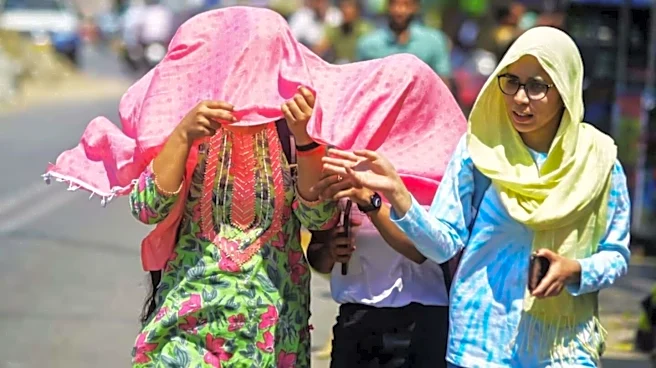
Mumbai, Apr 16 (PTI) Researchers at Indian Institute of Technology Bombay have found that heatwaves in the Indo-Gangetic Plains (IGP) are caused mainly by local land and weather conditions, not by hot air coming in from elsewhere.
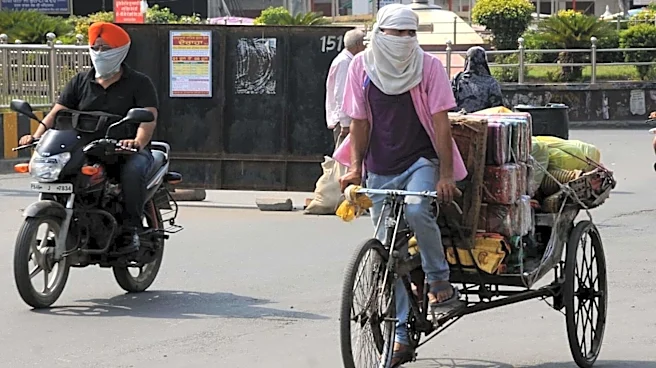
The intensifying heatwaves across IGP, home to at least 60 crore people, are no longer just a seasonal hardship but a growing threat to survival, with extreme heat becoming the new normal, arriving earlier and lasting longer each summer. The health hazards and deaths caused by heatwaves each year are extremely concerning, they said.
A new research from Centre of Studies in Resources Engineering and Centre for Climate Studies at IIT Bombay shows that not all IGP heatwaves are the same, and the factors driving their origin
are more local than distant.
“Traditionally, forecasting efforts often emphasise whether hot air from north-western regions is being transported across the Indo-Gangetic Plains. Our results suggest that monitoring local land and atmospheric conditions becomes more important for predicting when and where heatwaves will develop within the region,” explained the study’s lead author Manali Saha, a PhD scholar at IIT Bombay.
This could help shift forecasts from broad regional warnings to more location-specific early warnings, Saha added.
Anticyclones and moist and dry also create favourable conditions for heatwaves, according to the research.
High-pressure anticyclonic systems lead to warm air sinking toward the surface, suppressing cloud formation and creating favourable conditions for heatwaves.
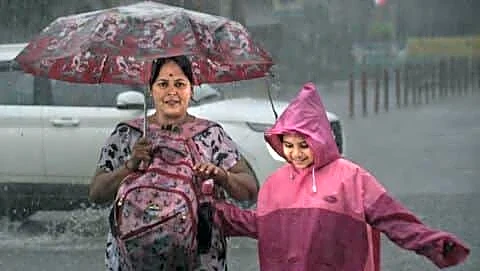
Similarly, pre-monsoon showers add extra moisture days before, the moist soil and increased evaporation lead to cloud formations, low night-time clouds trap heat, and as an anticyclone forms, the land starts feeding more heat into the air.
“Both types of heatwaves can be deadly. Humid heatwaves are generally more dangerous for the human body because cooling through sweating is ineffective. But dry heatwaves often lead to higher mortality because they tend to last longer and affect larger regions,” said Saha.
“At present, the India Meteorological Department (IMD) defines heatwaves based primarily on temperature, and does not explicitly distinguish between moist and dry heatwaves. However, our study shows that drivers of moist and dry heatwaves are quite different and recognising this d+-istinction could help improve early warning systems,” Saha said explaining the importance of this distinction.
The research team plans to develop its own heatwave early warning system and a forecasting decision-support tool, building on the findings of this study.
“The team aims to use the identified precursors to build a machine learning-based decision support system that can assist operational agencies in improving heatwave early warning and location-specific forecasts across India,” climate scientist at IIT Bombay Prof Vishal Dixit informed. PTI SM BNM