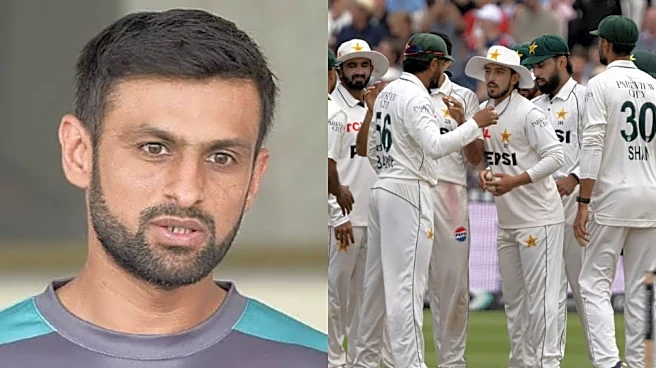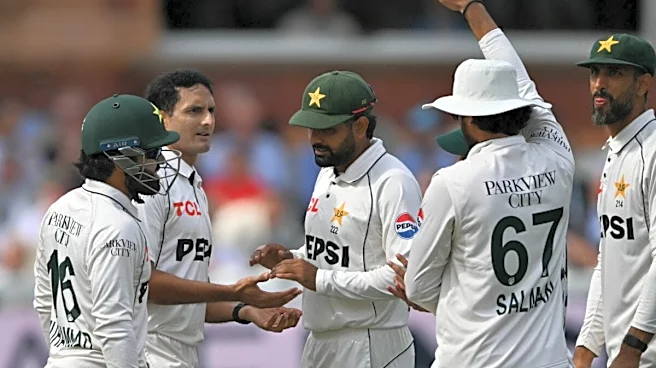


Pakistan selector Aaqib Javed has defended the Pakistan Cricket Board’s decision to overhaul the Test squad and coaching staff midway through the England tour, arguing that the scale of the changes was justified by a prolonged failure to compete.
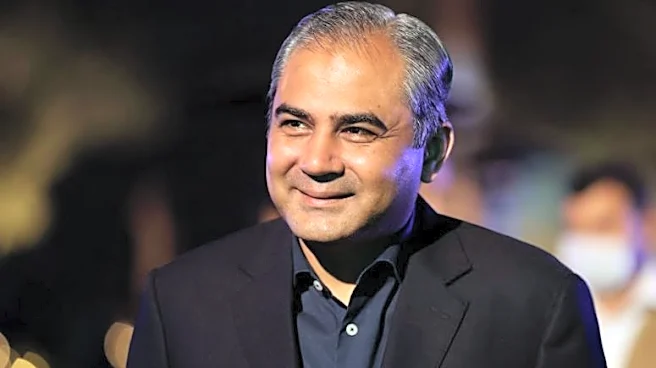
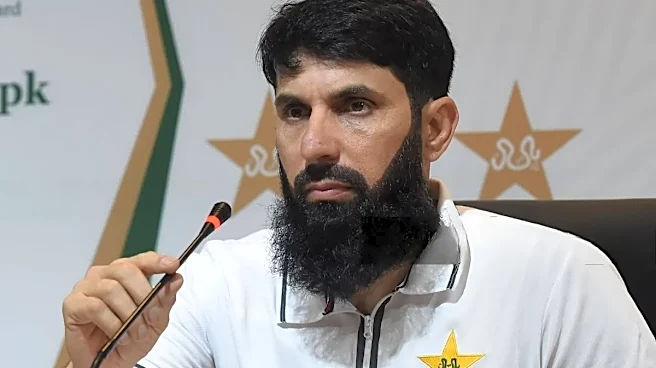
The Mohsin Naqvi-led PCB made one of the most dramatic interventions in its recent Test history after England took an unassailable 2-0 lead in the three-match series, releasing seven players and replacing head coach Sarfaraz Ahmed and bowling coach Umar Gul ahead of the final Test at Edgbaston.
The move, which included sending home senior figures such as Mohammad Rizwan and Salman Ali Agha, has been widely criticised as a panic reaction. Former Pakistan captain Shahid Afridi called it the “most shocking
selection decision ever”, while other former players questioned the wisdom of dismantling a touring squad with one Test still to play.
While Aaqib says the selectors are prepared to accept responsibility for the squad, their performances have left the team with little room for inaction.
“When we select a team, we sit with the coach and captain and build a squad. We are absolutely prepared to take responsibility for that squad,” Aaqib said. “But when you go on tour, you have to make the kind of combination you need from match to match.”
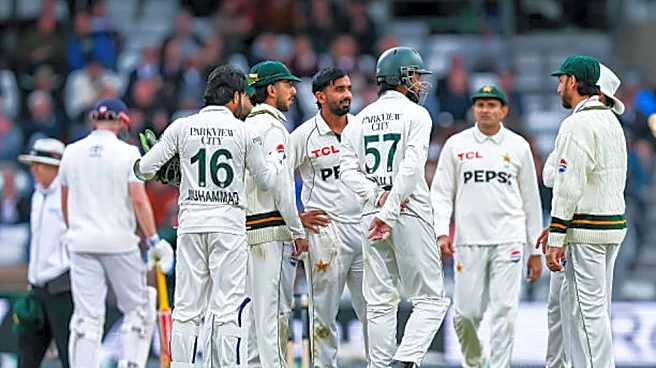
Pakistan have endured big defeats on their ongoing England tour.
They were beaten by an innings and 103 runs at Headingley before suffering a 194-run defeat at Lord’s, with their batting failing to reach 200 in any of their four innings.
In the wake of the results, seven players – Rizwan, Imam-ul-Haq, Salman, Ali Usman, Aamir Jamal, Muhammad Awais Zafar and Khurram Shahzad – were sen home, while Saim Ayub, Abdullah Fazal and Arafat Minhas were among those brought into the squad.
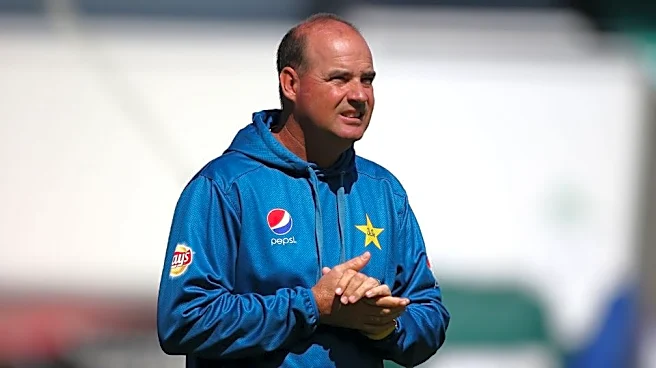
Mike Hesson, Pakistan’s white-ball head coach, has been handed charge of the Test side for the final match, with Australia’s Ashley Noffke replacing Gul as bowling coach.
For Aaqib, though, the changes were not simply an attempt to punish players.
He claims that the selection committee’s role was to provide the squad, while the captain and coach remained responsible for determining the best combination for particular conditions.
“I also spoke to the captain and the coach before this Test match and told them to play your fast bowler, Ubaid Shah, because you have played three fast bowlers of essentially the same type,” he said. “When you include a fast bowler like that, your entire bowling composition changes.”
Aaqib felt the problem is not necessarily that every member of the original squad lacked the ability to perform at Test level, but that Pakistan had failed to build combinations capable of challenging England.
“The 17-member squad… I don’t think anyone had any doubts that there was something wrong with the players’ performances or that there was some deficiency in the squad,” Aaqib said. “But when you have played two Test matches in the West Indies (in July-August), and after those two Tests you are out of form, you are simply not performing and you are not even able to compete, then we have to do something.”
England have dominated both Tests, and their bowling attack has repeatedly exposed Pakistan’s fragile batting.
However, Aaqib is still hopful and thinks that the third Test offers Pakistan an opportunity to show what they’ve got.
“Now that you have lost the series, having lost both Test matches, there is no harm in changing your mindset for the third Test,” he said. “You can show the world that we still have talent.”
The third Test begins from September 9, with England seeking a 3-0 sweep.