



It is 8 am. A delivery truck pulls up outside a busy restaurant carrying crates of chicken, fresh vegetables, dairy products and seafood. Within a few hours, many of those ingredients could end up on lunch plates served to hundreds of customers. In theory, none of that food should reach the kitchen until it has passed a series of safety checks.
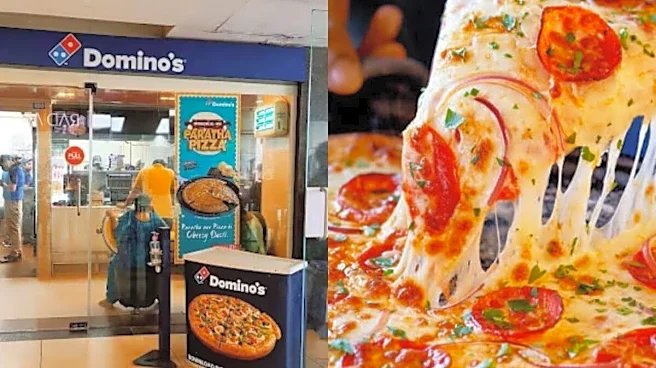
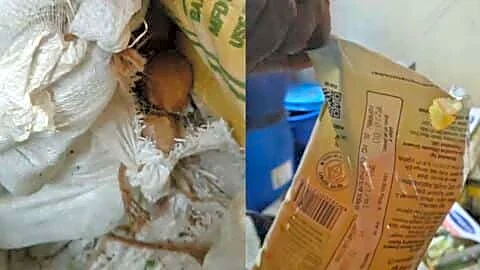
But recent inspections have raised troubling questions. In Bengaluru, food safety officials found rotten meat, spoiled vegetables and unhygienic kitchens during surprise raids on several restaurants. In Maharashtra, authorities launched a wider crackdown that uncovered food safety violations at eateries across the state, leading to licence suspensions and regulatory action. Four Domino’s Pizza outlets
in Mumbai have also come under the radar for food safety and hygiene violations.
For many diners, the obvious question is whether every ingredient is checked before cooking, and how does rotten food still make its way into restaurant kitchens?
The answer lies in understanding what is supposed to happen between the delivery truck and your dining table.
How Do Ingredients Enter A Restaurant?
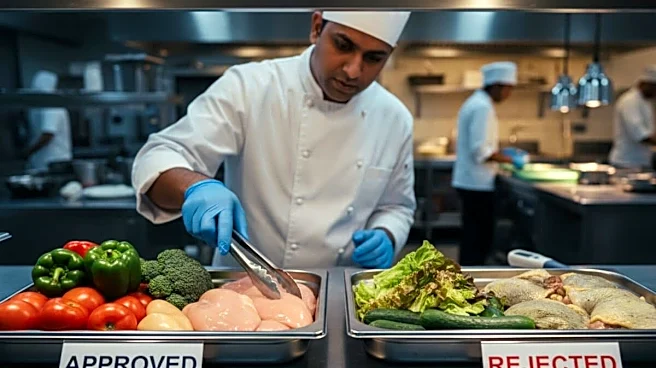
Imagine a batch of fresh chicken arriving at a restaurant at the start of the day. It does not go straight into the kitchen. The first person to receive it is usually a storekeeper, receiving supervisor or kitchen steward, depending on the size of the establishment. Before accepting the delivery, staff are expected to inspect the shipment carefully.
The packaging is examined for damage or leaks. Labels are checked to verify the supplier, manufacturing date and expiry date. Fresh produce is inspected for colour, texture and signs of spoilage. Meat and seafood should not have an unpleasant odour or excessive discolouration.
For chilled and frozen products, temperature is equally important. Food safety guidelines require restaurants to maintain the cold chain from supplier to storage. If meat arrives warmer than the recommended 4°C or frozen products show signs of thawing, the shipment can be rejected.
Restaurants are legally entitled to refuse deliveries that do not meet food safety standards. Only after these checks are completed are ingredients entered into inventory and moved into refrigerators, freezers or dry storage.
Why The First Safety Checkpoint Is Important
Professional kitchens follow what’s known as a receiving inspection, one of the most important stages in food safety. Staff verify invoices against delivered quantities, inspect packaging, confirm expiry dates and ensure ingredients have been transported under hygienic conditions. Many restaurants also maintain approved supplier lists, purchasing ingredients only from vendors that meet regulatory standards.
Every rejected delivery is supposed to be documented, allowing restaurants to trace problems back to individual suppliers if necessary. These checks are designed to stop unsafe food before it even enters the kitchen.
The Labels Most Diners Never See
Once ingredients are accepted, another layer of food safety begins. Most professional kitchens label every container with the receiving date, opening date and use-by date. This helps staff identify which ingredients should be used first and which must be discarded.
Two simple inventory systems play a crucial role:
FIFO (First In, First Out): This means ingredients received earlier are used before newer stock.
FEFO (First Expired, First Out): This means products closest to their expiry date are prioritised regardless of when they arrived.
These systems reduce waste while ensuring older ingredients are not forgotten at the back of refrigerators. Without proper labelling, even fresh ingredients can become unsafe simply because nobody realises how long they have been stored.
Who Decides When Food Is Thrown Away?
Many people assume chefs make that decision. In reality, responsibility is usually shared between the executive chef, sous chef, store manager and food safety supervisor.
Restaurant refrigerators and storage areas are expected to be checked daily. Ingredients showing spoilage, expired labels, unusual odours or signs of contamination should be removed immediately and discarded.
Many restaurants also maintain waste logs recording what was thrown away, why it was discarded and when. These records help monitor purchasing patterns and identify recurring problems with suppliers or storage practices.
The system depends on one simple principle: when there is any doubt about an ingredient’s safety, it should never reach the cooking station.
Why Rotten Food Still Gets Found
If so many safeguards exist, why do inspectors continue discovering spoiled food? One reason is poor supplier management. Restaurants relying on unreliable vendors may receive ingredients that were already compromised before delivery.
Storage failures are another common problem. Refrigerators operating above safe temperatures, power outages or overcrowded cold rooms can allow bacteria to multiply rapidly.
Human behaviour also plays a role. Restaurants under financial pressure may over-order ingredients or delay discarding ageing stock to reduce food waste and cut costs. Staff shortages can mean routine inspections are skipped, while inadequate training increases the risk that warning signs are overlooked.
In some kitchens, standard operating procedures exist on paper but are not consistently followed during busy service hours. Food safety systems are only as effective as the people implementing them.
Are Restaurants Actually Audited?
Yes, but not every day. Restaurants are expected to conduct regular internal hygiene checks alongside periodic inspections by food safety authorities.
In India, establishments are required to comply with the Food Safety and Standards Authority of India (FSSAI) regulations covering storage, hygiene, pest control, waste management, staff training and food handling.
Larger hotel chains often supplement these with third-party hygiene audits and routine quality inspections. However, inspections capture conditions only at a particular point in time.
A kitchen that appears compliant during one visit may deteriorate later if hygiene practices become lax or supervision weakens. That is why regulators increasingly emphasise continuous compliance rather than preparing only for inspections.
What Customers Can Actually Notice
Most food safety problems remain hidden behind kitchen doors. But diners can still spot warning signs. Persistent unpleasant smells, overflowing bins, sticky tables, visibly dirty wash areas or staff handling food without proper hand hygiene may indicate broader cleanliness issues.
Food served noticeably colder or hotter than expected, improperly stored buffet items or evidence of cross-contamination should also raise concerns.
None of these signs automatically mean food is unsafe. But together, they can indicate that basic hygiene standards are not being consistently maintained.
The recent raids in Karnataka and Maharashtra are a reminder that food safety begins long before a meal reaches the table. Every ingredient is supposed to pass through multiple checkpoints — from receiving and storage to labelling, refrigeration and daily inspections.