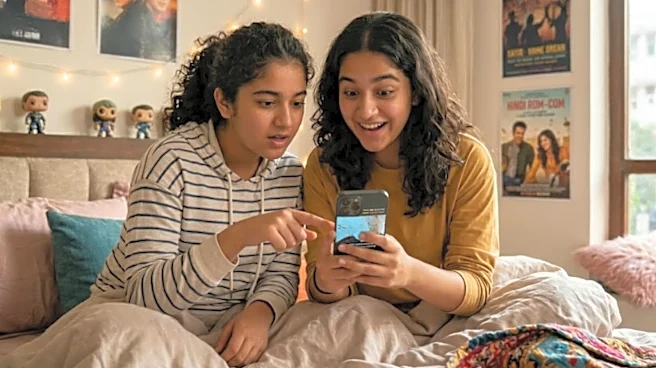




Being a millennial parent, you have probably had that moment where your child says something casually and you pause, wondering if you heard it right. Words like “mid”, “6-7”, “ship”, “situationship” or “it’s giving” get thrown into everyday conversations, and suddenly, you are trying to keep up with a language that feels both familiar and completely new.
If you have ever overheard your teenage kid talking about a group chat where someone says, “I totally ship you two,” you might pause, wondering what exactly is going on. Is it just harmless banter, a hint at a crush, or something you need to be really concerned about? When teens start “shipping” someone, they are building a narrative around a potential relationship.
Before reacting, it helps to
understand what this slang really means and how it shapes the way young people view connections today.
What Does ‘Shipping’ Mean in Teen Relationships?
At its core, “shipping” comes from the word “relationship”. It simply means wanting or imagining two people being romantically involved.

“Shipping” has its roots in fandom culture, communities of dedicated fans who follow films, books and television shows closely. The term comes from “relationshipper”, later shortened to “shipper”, referring to someone who is deeply invested in the romantic pairing of characters. Over time, this interest expanded beyond fictional worlds. Fans began “shipping” celebrities, and eventually, the idea made its way into real-life social circles, where people now use it to imagine or support potential relationships between those around them.
So when someone says they ship you with someone, they are not stating a fact. They are expressing a hope, a vibe, or sometimes just playful curiosity.
The term did not begin with teenagers talking about their classmates. It started in fandom culture, where fans closely followed films, books, and television shows. People who were invested in romantic storylines were called “relationshippers”, which later became “shippers”. Over time, the phrase shortened, but the idea stayed the same.
Think of it like this. A fan watching a series might feel that two characters share strong chemistry, even if the story does not bring them together. Instead of simply observing, they become emotionally invested. They imagine a different outcome- that is shipping!
Why Do Teens Love ‘Shipping’ People?
This behaviour is not entirely new. Readers and viewers have always formed opinions about who should end up with whom. The difference now is that the language has evolved, and the conversations have moved online and into daily life. It taps into how people naturally look for connection and storytelling.
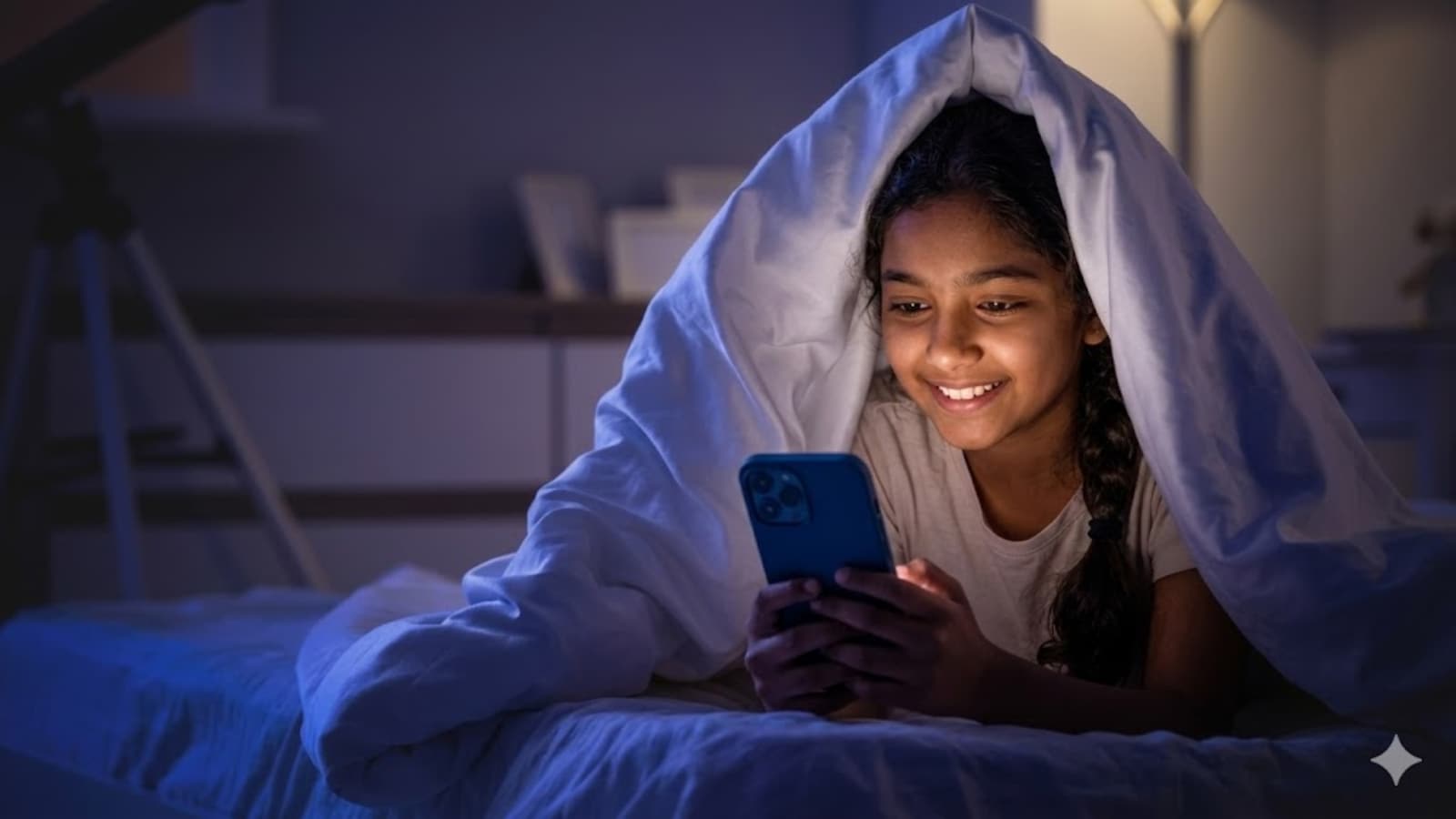
On one hand, it is about observation. Teens notice small interactions, shared jokes, eye contact, and start building a narrative around it. On the other, it is about imagination. Shipping allows people to create a “what if” scenario around relationships.
Meanwhile, social media has amplified it. Platforms like X and Instagram are filled with posts where people openly “ship” fictional couples, celebrities, and increasingly, real people in their own circles. What started with characters has now moved into classrooms, friend groups, and group chats.
On one hand, it is about observation. Teenagers notice small details, shared jokes, body language, or the way two people interact. On the other hand, it is about storytelling. Shipping allows them to build a narrative around those moments. It turns everyday interactions into something more engaging.
It is also social. Talking about who would make a good couple becomes a way to bond. It is similar to discussing a favourite series, except the “characters” are people they know. It gives them something to laugh about, analyse, and share.
So the next time you hear your teen say they “ship” someone, you do not need to panic. It is less about something serious, and more about how young people today explore connection, curiosity, and conversation in their own evolving language.

/images/ppid_a911dc6a-image-177687653180485679.webp)

/images/ppid_a911dc6a-image-177687642974065468.webp)