
/images/ppid_a911dc6a-image-178125502437197196.webp)




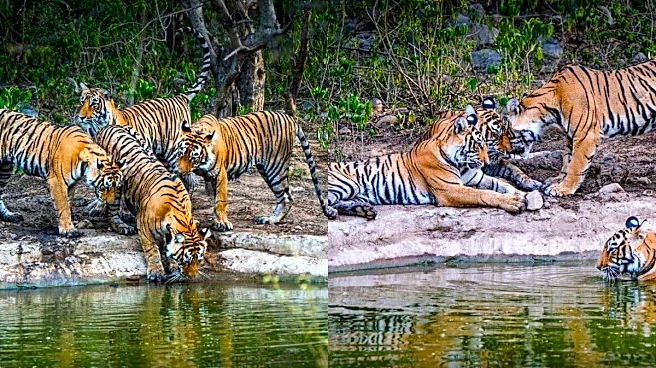
Sariska Tiger Reserve isn’t as popular among wildlife enthusiasts as Corbett and Ranthambore, but it is slowly inching there. Located in the Aravalli hills near Alwar in Rajasthan, it spreads across more than 800 square kilometres of dry forest, open grassland, rocky cliffs and ancient hillsides, and it carries one of Indian wildlife’s most remarkable comeback stories.
In 2004–05, Sariska lost every single tiger it had. Poaching had quietly hollowed out the population, and the reserve made international headlines for the wrong reasons. But the government and the Wildlife Institute of India didn’t give up. Starting in 2008, tigers were relocated from Ranthambore, and slowly, steadily, the jungle filled back up. Today, Sariska has a stable and growing
tiger population, and for those who visit with patience and a good naturalist by their side, sightings are real and rewarding.
What To Do In Sariska National Park
The most popular way to explore is a jeep safari, which takes you deep into the reserve across five zones. The Tahla and Baghani ranges, accessible through Tehla Gate, are currently among the most exciting and sightings here have been consistently good. Safari timings shift with the season – morning slots begin between 6:00 and 7:00 am depending on the time of year, and evening slots wrap up before sunset. Tatkal bookings open about 30 minutes before each safari if you haven’t planned ahead, but advance booking through the Rajasthan Government portal (which requires an SSO ID) is the smarter move — up to 75% of slots can be reserved up to a year in advance.
But Sariska offers more than just big cats. There are leopards are moving through the forest, sambhar and chital grazing near clearings, wild boar rooting around waterholes, and rhesus macaques keeping watch from the rocks above. Birdwatchers will find over 220 species here, from painted sandgrouse dusting themselves on dirt tracks to crested serpent eagles circling overhead.
For something completely different, ask your naturalist to route the safari past Kankwadi Fort, a medieval structure sitting right inside the reserve, reachable only through the forest. The views from up there are sweeping, and the history is layered: this was once the private hunting ground of the royal family of Alwar.
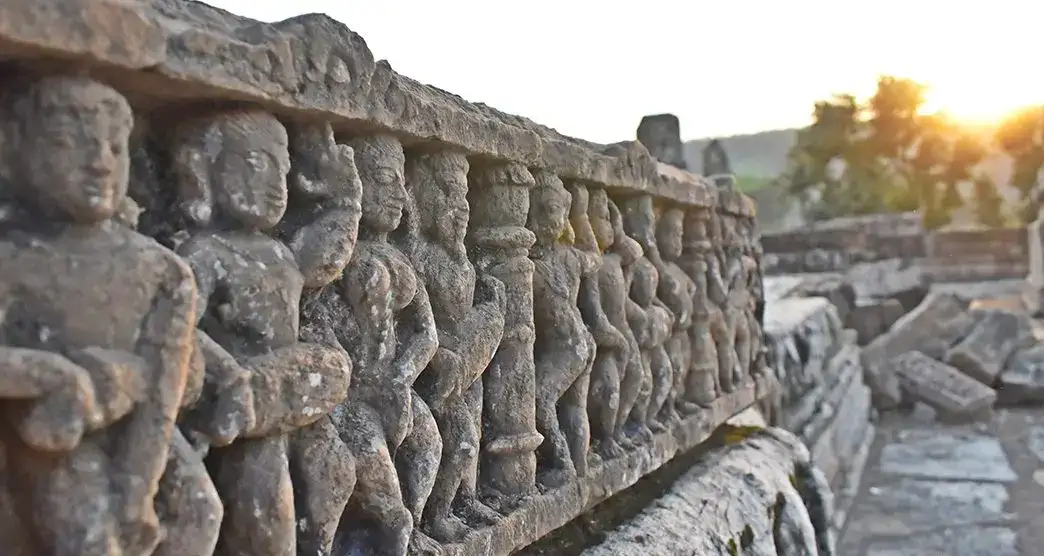
Deeper into the reserve, two ancient temples add another perspective to the visit. The Neelkanth Temple dates to the 6th century and is covered in intricately carved sculptures. Pandupol Hanuman Temple, near a seasonal waterfall, is linked in local belief to the Pandavas of the Mahabharata — it draws both devotees and curious travellers.
When To Visit Sariska
Sariska is closed during monsoon (July to September), but the seasons on either side offer their own rewards. Summer (April to June) brings the best tiger sightings as animals gravitate toward shrinking water sources. Winters (November to February) are cooler and greener, with excellent conditions for birdwatching and comfortable early-morning safaris.
Where To Stay In Sariska
Sariska has options across budgets. Tiger Den sits right at the main gate; basic, no-frills, and ideal if proximity and easy safari access matter more than amenities. Mid-range properties like Utsav Camp Sariska and Trees N Tigers offer a genuine jungle-camp feel with cottages or tents and a relaxed atmosphere.
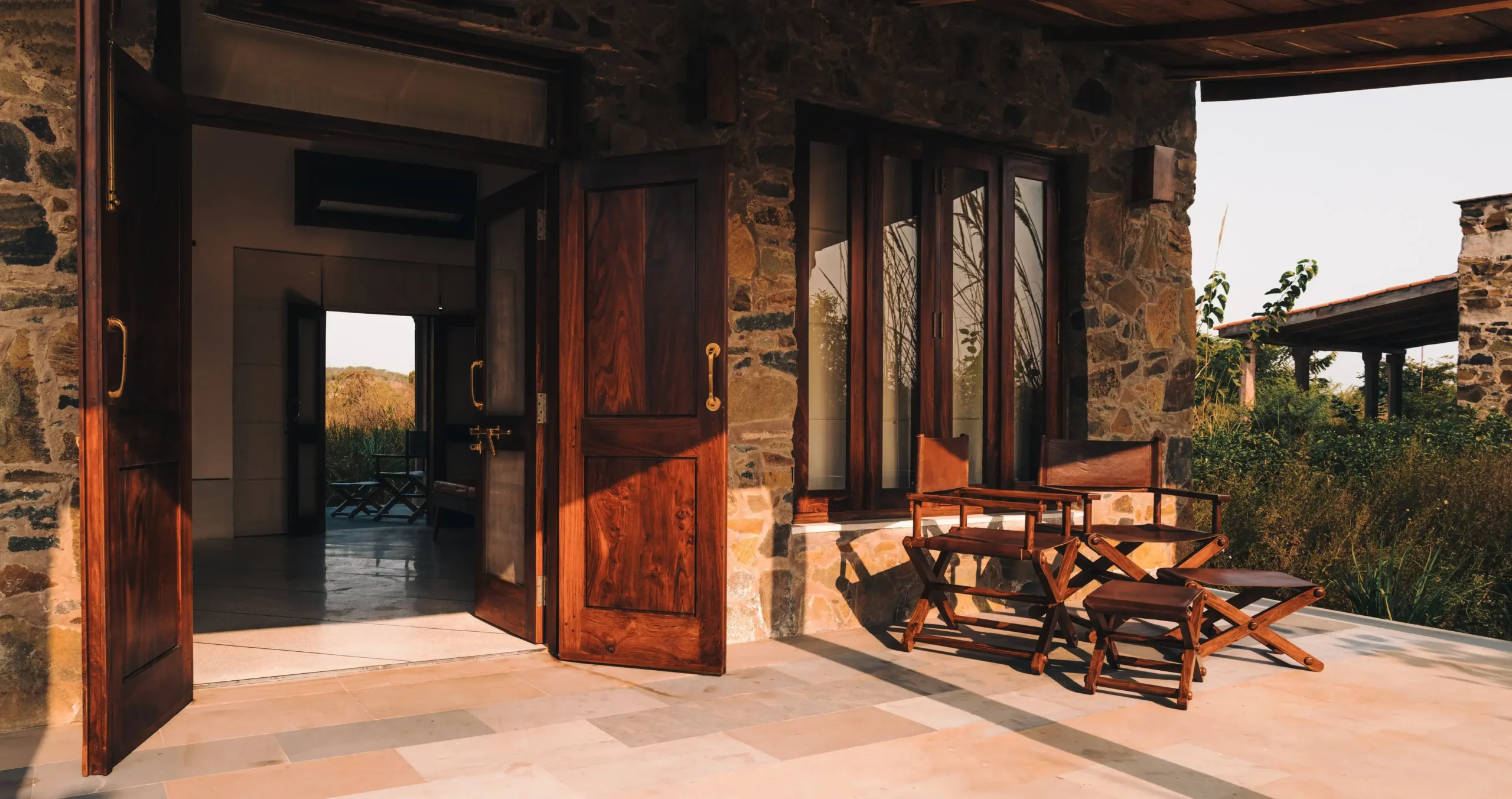
For something more design-forward, the newly opened Sariska Lodge sits on 15 acres at the edge of the reserve. With just 11 suites built using natural materials and traditional Rajasthani craft, it’s a quiet, considered space — earth tones, open skies, and a lodge that feels like it belongs exactly where it is.




/images/ppid_a911dc6a-image-178125642694990515.webp)