
/images/ppid_a911dc6a-image-177881342976732847.webp)
It has been 77 days since the war in Iran began.
With the Strait of Hormuz shut, several countries across the world have declared a state of emergency as their fuel reserves have fallen to record low levels. Cuba, as of May, has reported a total exhaustion of diesel and fuel oil reserves, leading to daily blackouts of up to 22 hours. The Philippines declared a state of national energy emergency as they have approximately less than 40 days of fuel reserves remaining.
In India, the Strategic Petroleum Reserves (SPR) currently have about 9.5 days of fuel consumption remaining. This is significantly lower than the 90-day International Energy Agency (IEA) recommendation for member countries.
Countries are seeing a rising cost of aeroplane tickets, consumer
goods, groceries, transportation and more. And the reason is that the companies are passing on the increasing costs to the consumer.
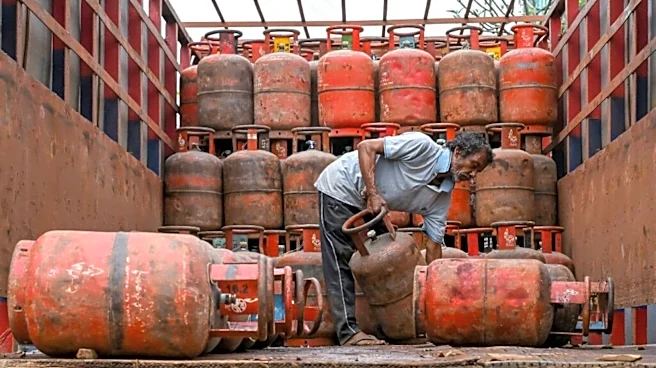
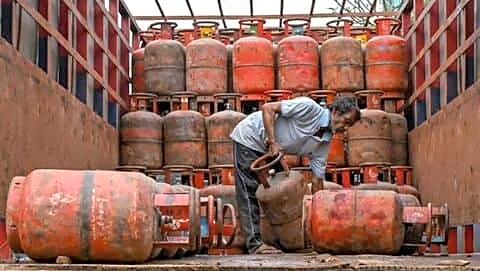
One of the biggest issues that we have seen in India is the dearth of LPG cylinders and the increasing cost of gas. Initially, restaurants and hotels took down items on their menu that were gas-intensive or needed to be slow-cooked, such as dosas, pooris, biryani, samosas, and more. Some even opted to only sell items that can be eaten and enjoyed cold, which worked out well as India has also been facing heatwave-like conditions this summer. Other smaller restaurants and eateries even chose to shut shop as they heavily relied on LPG cylinders, which weren’t available for restocking.
As of May 1, the price of a 19-kg commercial LPG cylinder has been increased by Rs 993, with them costing Rs 3,071.50 in Delhi and around Rs 3,024 in Mumbai. India has witnessed a steep spike in commercial LPG prices after state-run oil marketing companies such as Indian Oil Corporation, Bharat Petroleum Corporation Limited and Hindustan Petroleum Corporation Limited have announced a revised rate.
As per recent reports, the cost of a 14.2 kg domestic gas cylinder has remained steady at around Rs 912.50 in Mumbai, Rs 913 in Delhi and Rs 939 in Kolkata, following a ₹60 increase in March.
However, soon, reports suggest that there might be a rise in the cost of gas cylinders used in homes too. An earlier report by the Economic Times has stated that government sources have hinted that LPG domestic cylinder prices may increase by Rs 40-50 per cylinder.
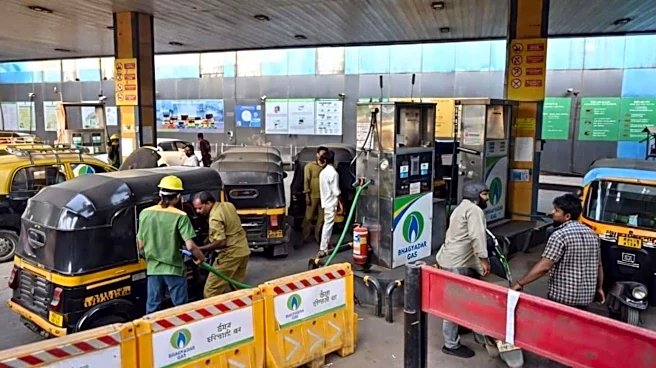
Furthermore, the Government of India has also begun strictly enforcing a “one household, one connection” rule. Amid a global energy crisis and rising tensions in West Asia, gas supply has been impacted, making it illegal to maintain dual connections.
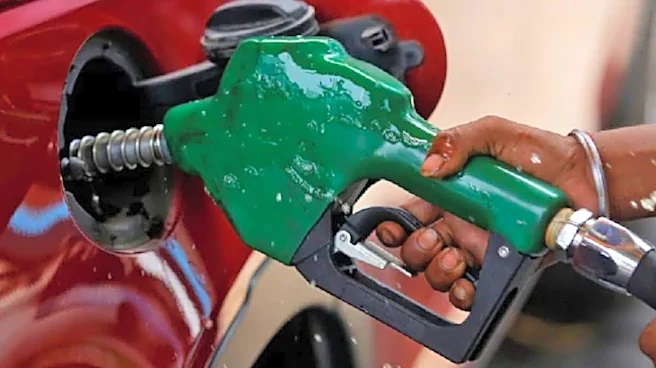
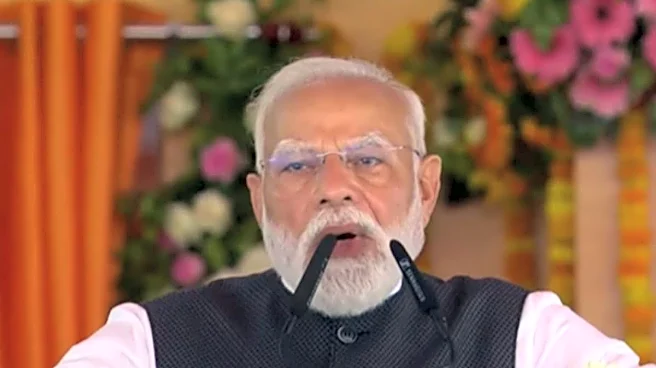
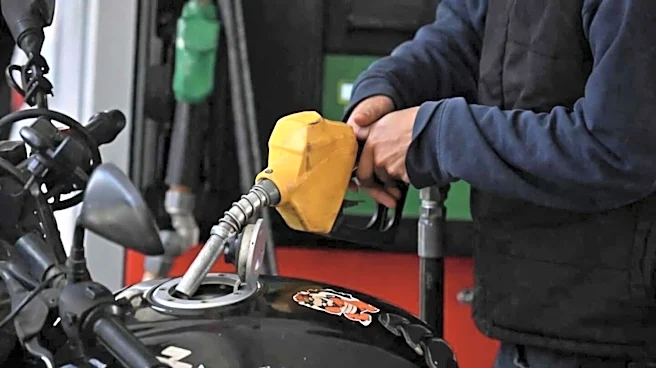
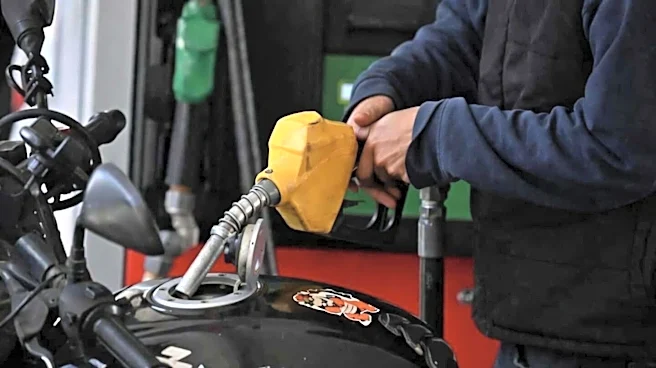
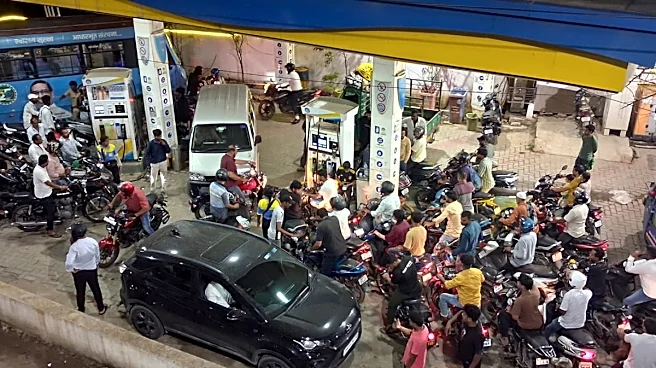
Prime Minister Narendra Modi has also urged citizens to use petrol, diesel, and gas with “great restraint” due to rising energy prices and supply chain disruptions caused by the conflict in West Asia, reported CNBC TV18. He has called for austerity measures, including reducing fuel consumption, increasing the use of public transport, adopting electric vehicles, and encouraging work-from-home.
/images/ppid_a911dc6a-image-177881869827450930.webp)

/images/ppid_59c68470-image-177882502920381447.webp)



/images/ppid_a911dc6a-image-177881606374827962.webp)