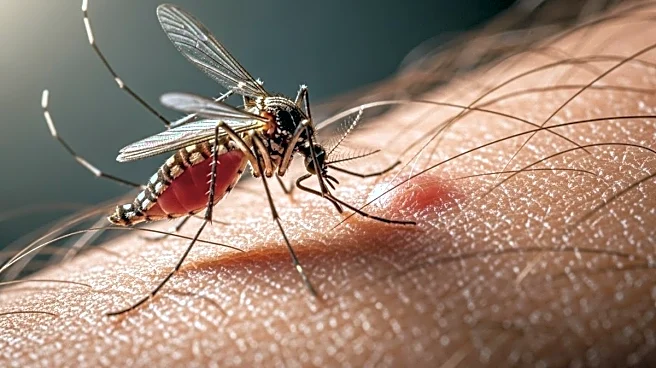



Even before the monsoon season has officially begun, dengue cases across India are steadily rising, a worrying sign that the mosquito-borne illness is no longer restricted to rainy months alone. Health experts now warn that dengue has evolved into a year-round public health challenge, driven by climate change, rapid urbanisation, and changing environmental conditions.
For years, dengue was viewed largely as a seasonal infection associated with stagnant rainwater and monsoon outbreaks. But doctors say the pattern has changed significantly. Warmer temperatures, irregular rainfall, overcrowding, and poor sanitation have expanded mosquito breeding periods, increasing the risk of transmission across several months of the year.
According to research
data, the number of months suitable for dengue transmission in India has steadily increased over the decades, reaching nearly 5.6 months annually between 2012 and 2021. This longer transmission window has made the disease harder to predict and control.
What concerns doctors even more is that dengue still has no specific antiviral treatment. Once infected, patients are primarily managed through supportive care such as hydration, fever management, and close monitoring. This makes early diagnosis one of the most important factors in preventing severe complications.
“Dengue is no longer a seasonal disease; it is a year-round public health problem,” says Dr Sanjay Sarin, Asia Continental Lead and Director South Asia, DNDi. “India’s reported cases have been rising steadily, but the true burden is far greater than our surveillance captures.”
He adds that delayed diagnosis remains one of the biggest gaps in dengue management. “Prevention through vector control and vaccines is essential, but insufficient because once infected, patients have no medicine to fight the virus. Early diagnosis remains critical,” Dr Sarin explains.
Doctors say many people continue to dismiss dengue symptoms as a routine viral fever, often delaying medical attention during the most crucial phase of the infection. Symptoms such as sudden high fever, intense body aches, pain behind the eyes, nausea, fatigue, headaches, or skin rashes should not be ignored, especially during periods of increased mosquito activity.
Dr Tushar Tayal, Associate Director, Internal Medicine, CK Birla Hospital, Gurugram, stresses that timely testing and monitoring can significantly improve recovery outcomes.
“With dengue cases continuing to rise, staying alert and taking preventive steps has become more important than ever. Early diagnosis can make a major difference, as timely treatment and proper monitoring help prevent serious complications,” he says.
He also highlights that rapid dengue blood tests and early platelet monitoring are helping doctors identify infections faster and begin treatment sooner.
Medical experts recommend taking an NS1 antigen test within the first three days of symptoms, as it can help confirm infection early and allow doctors to monitor the patient more effectively.
At the same time, prevention remains the first line of defence. Clearing stagnant water around homes, using mosquito repellents, wearing full-sleeved clothing, and avoiding mosquito exposure during early mornings and evenings continue to be among the most effective ways to reduce the risk of infection.
As dengue cases rise ahead of the monsoon, experts say awareness, vigilance, and early medical intervention will remain crucial in controlling the growing public health threat.
/images/ppid_a911dc6a-image-177908362545885421.webp)


/images/ppid_a911dc6a-image-177915409133845800.webp)

/images/ppid_a911dc6a-image-177907522706781201.webp)