
/images/ppid_59c68470-image-178867503330540155.webp)
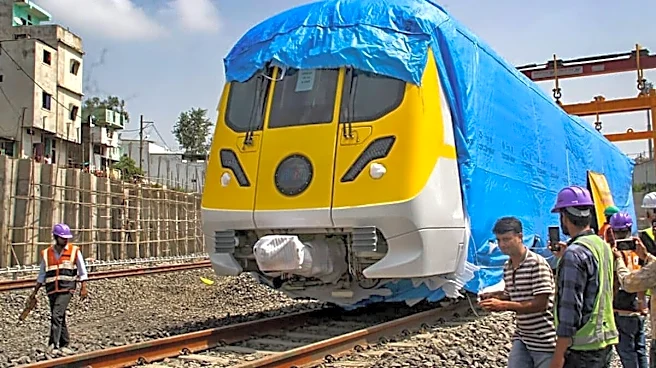
India is on the verge of claiming the spot as the world’s second-largest metro rail network, poised to overtake the United States within the next two years.
Union Housing and Urban Affairs Minister Manohar Lal announced the milestone following the inauguration of the extended metro route in Indore, highlighting the astonishing pace of India’s urban transit expansion.
Rapid Expansion Across Urban India
India’s operational metro network has expanded rapidly, reaching 1,170 kilometres across 26 cities. The network is now just 216 kilometres shy of the US’s total metro network length of 1,386 kilometres.
In comparison to 2014, when the operational network stood at a mere 245 kilometres across five cities, the growth demonstrates an unprecedented infrastructure push aimed at reshaping
urban mobility. With nearly 900 kilometres of track under construction or in advanced planning stages across the country, India needs to operationalise only a fraction of its pipeline to pull ahead of the US, trailing only China globally.
Indore Metro Extension Details
The recent commissioning in Indore marks a major leap forward for Madhya Pradesh’s commercial hub. The operational length of the Indore Metro has expanded significantly from 6.3 kilometres to 17.5 kilometres following the launch of the extended Gandhi Nagar–Malviya Nagar Chowraha corridor.
- Enhanced Reach: The extended line links key residential hubs, business corridors, and major intersections, dramatically improving urban connectivity.
- Operational Capacity: Metro trains on the route operate at a 15-minute frequency, running over 80 daily trips to cater to thousands of local commuters.
- Future Connectivity: The extension is part of a larger plan to build an integrated transit network that alleviates road traffic congestion and reduces urban carbon emissions.
Driving Urban Transformation
The rapid buildout of metro networks forms the backbone of India’s urban development agenda. Beyond easing traffic bottlenecks, modern light rail systems drive sustainable transit, reduce reliance on fossil-fuel vehicles, and improve air quality in rapidly growing tier-1 and tier-2 cities.
With massive investments poured into regional connectivity and last-mile transport integrations, the country’s urban transportation landscape is evolving faster than ever. Passing the US in total track length will solidify India’s status as a leader in modern transit infrastructure.




/images/ppid_59c68470-image-17887475609955937.webp)


/images/ppid_59c68470-image-178869754147870256.webp)