

In a significant inside account of the ongoing diplomatic push in Islamabad, CNN-News18 has learnt that advance teams from both the United States and Iran have already carried out crucial groundwork ahead of formal negotiations, sharpening the contours of what could become a high-stakes geopolitical bargain.
According to sources familiar with the discussions, Iran has made it clear that Lebanon remains its central concern. Advance teams from Tehran conveyed to their American counterparts that any progress on the nuclear front, particularly uranium enrichment, would hinge on securing firm commitments related to Lebanon. “If you can get some commitment on Lebanon, we will try to give you something on uranium enrichment,” Iranian representatives
are understood to have told US officials during preliminary exchanges.
American interlocutors, along with Lebanese representatives, have responded cautiously, assuring that they would “do their best” to address these concerns. However, the complexity of the issues involved suggests that negotiations are likely to be prolonged, with sources indicating that a comprehensive settlement remains unlikely in the immediate term.
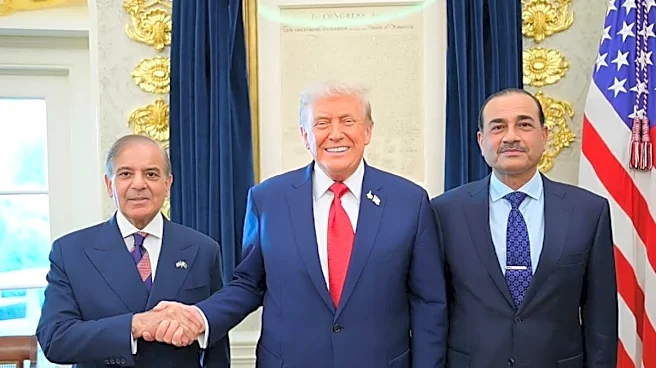
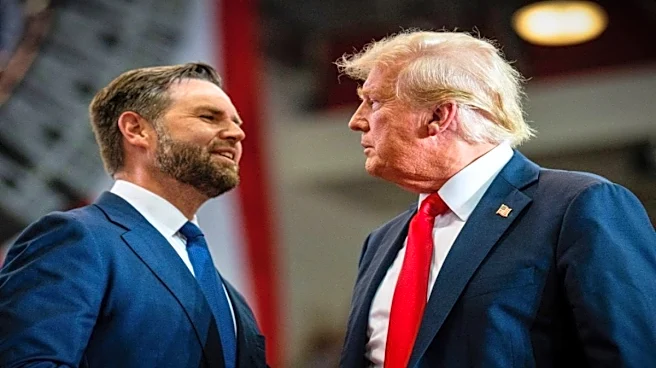
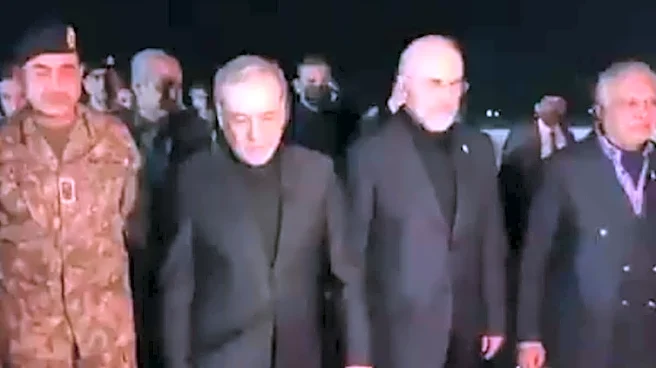
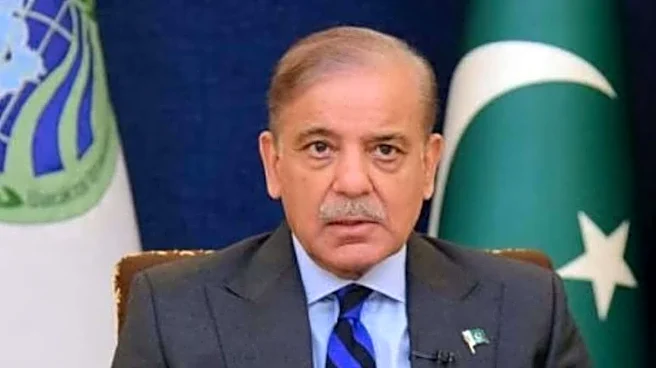
Despite this, Pakistan’s military and civilian leadership, led by Army Chief General Asim Munir and Prime Minister Shehbaz Sharif, are keen to see at least a limited breakthrough, with hopes that some elements could take final shape during this round of talks. The arrival of key figures, including US Vice President JD Vance and Iranian Parliament Speaker Mohammad Bagher Ghalibaf, is being seen as a major positive signal.
Ghalibaf’s decision to attend, in particular, marks a notable shift. He had earlier expressed reluctance, citing a lack of trust in the United States. His presence now is being interpreted by officials as an indication that Tehran sees value in engaging, and that some form of outcome may be within reach.
Even so, deep divergences persist. While Washington appears increasingly eager to halt the conflict—driven by both strategic fatigue and domestic political considerations—Iranian officials have projected confidence, asserting that they retain the capacity to escalate and “teach America a lesson”. Tehran has also indicated that the current ceasefire disproportionately benefits the United States, reducing its own incentive to compromise quickly.
Top Indian intelligence sources suggest that the US is engaged in hard bargaining, while Iran is leveraging its battlefield resilience and regional influence, particularly through groups like Hezbollah in Lebanon, to extract stronger security guarantees. This dynamic has shaped the negotiating posture on both sides, turning the talks into a complex mix of military leverage and diplomatic maneuvering.
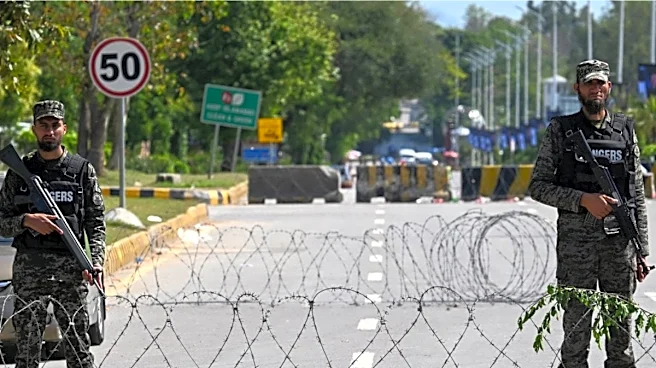
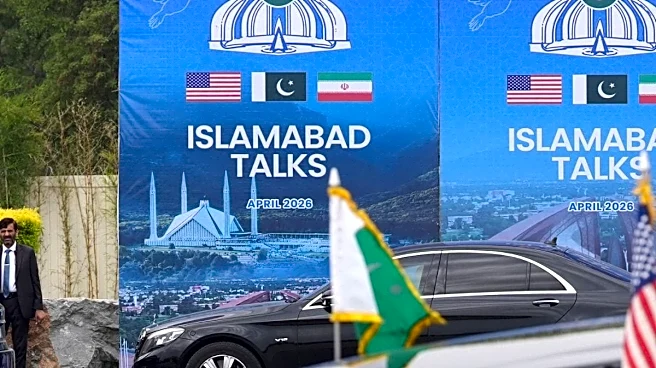
With Pakistan positioning itself as a visible mediator, Islamabad has emerged as a key venue for these sensitive engagements. However, expectations are being tempered. Officials believe that any potential “Islamabad Accord” is more likely to result in a fragile, interim understanding, possibly extending the ceasefire — rather than a comprehensive resolution to the wider conflict.
As negotiations intensify, the coming days will determine whether this delicate balancing act can produce even a limited breakthrough, or whether entrenched mistrust will once again keep a lasting deal out of reach.
/images/ppid_59c68470-image-177572768994545498.webp)

/images/ppid_59c68470-image-177574760457254768.webp)
/images/ppid_59c68470-image-177587253574223106.webp)