

/images/ppid_59c68470-image-177018756317372110.webp)
/images/ppid_59c68470-image-177018753227494270.webp)
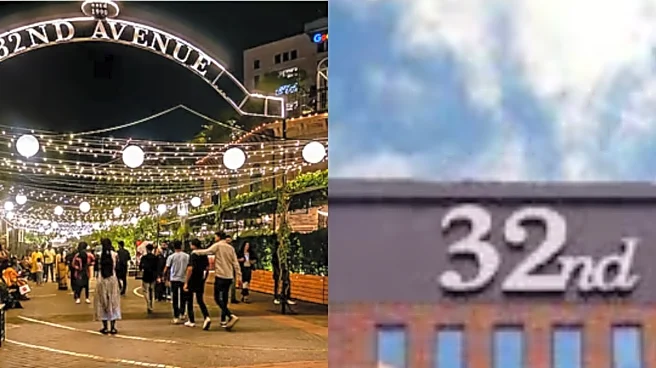
Gurugram’s 32nd Avenue, the once-buzzy hangout spot, used to be one of the city’s favourite go-to places for having a good time. Over the past few months, the place has seen a steep slowdown and growing frustration from locals, visitors, tenants, and investors alike. With legal issues now on its head, visitors who would hang out at 32nd Avenue every now and then, are wondering what has really gone wrong.
Many good eateries including Melt House have shut shop at 32nd Avenue and moved to other areas. Social media videos over the past few months show fallen posters, shut shops, lesser people than usual, making many mourn the slow death of 32nd Avenue.
What Is The 32nd Avenue Crises About?
Investor disputes trigger crisis
A major flashpoint has been the growing dispute between the project’s management and investors who
own commercial units at 32nd Avenue. Many investors allege that assured rental payments were delayed or stopped for months, despite commitments made at the time of sale. These grievances spilled on to the streets in the form of protests and into police stations through formal complaints and FIRs. The public nature of the dispute has severely dented confidence in the project and created uncertainty for both existing and prospective tenants.
Regulatory scrutiny adds pressure
At the same time, local authorities have raised objections over alleged violations of building norms. Notices have reportedly flagged issues such as deviations from sanctioned plans, fire safety concerns and unauthorised structures. This regulatory scrutiny has increased the legal and compliance burden on the management, while also raising questions about safety and long-term viability among business owners operating within the complex.
Closures and disruption hit footfall
The financial and legal turmoil has translated into visible operational disruption on the ground. Several restaurants and retail outlets have either shut down or been relocated, leaving gaps in what was once a tightly curated mix of brands. The resulting patchwork of vacant and active spaces has diluted the open-air, high-energy character that defined 32nd Avenue, leading to reduced footfall and impacting remaining businesses.
Perception shift among visitors
Added with shutting shops, 32nd Avenue has also begun facing criticism from regular visitors. Complaints about high prices, parking issues and overcrowding had grown louder as Gurugram saw the rise of newer dining and entertainment hubs. As alternatives multiplied, the complex’s premium positioning started to wear thin, making it more vulnerable when deeper problems emerged.
The decline of 32nd Avenue reflects how destination-led commercial spaces can unravel when financial transparency, regulatory compliance and customer experience weaken simultaneously. What was once a symbol of Gurugram’s lifestyle boom is now navigating a credibility and confidence crisis — one that will be difficult to reverse without addressing investor concerns, legal challenges and the changing expectations of its audience.





/images/ppid_a911dc6a-image-177018803350188439.webp)

/images/ppid_a911dc6a-image-177018806964148320.webp)
/images/ppid_59c68470-image-177018758689445512.webp)

/images/ppid_59c68470-image-177018764582077862.webp)
/images/ppid_59c68470-image-177018753074546188.webp)
/images/ppid_59c68470-image-177018755878393154.webp)