
/images/ppid_59c68470-image-177583756539625775.webp)
/images/ppid_59c68470-image-177583253082414526.webp)
/images/ppid_59c68470-image-177587004197362972.webp)
While a ceasefire with the United States (US) has been achieved, Iran’s actions during the conflict demonstrated that non-superpowers can exert massive global economic influence by weaponising critical “pinch-points”. Iran’s low-cost, high-impact strategies showed how control over trade routes, disruption, and financial innovation can let a regional power influence the global economy without matching military strength.
What were their tactics in the economic warfare with the United States? News18 explains.
Iran’s economic warfare: 3 tactics
Despite being under heavy international sanctions for years, Tehranhas leveraged its geography and asymmetric military capabilities to disrupt the global economy, forcing even major powers like the United States to negotiate, according to the Wall
Street Journal and other reports.
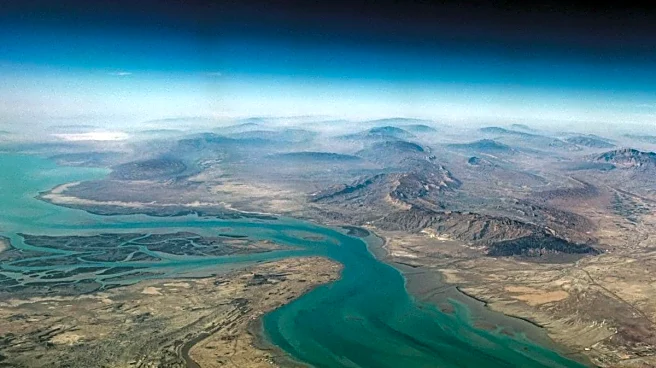
1. Strait of Hormuz chokehold: Iran closed this vital waterway, through which roughly 20% of the world’s oil supply flows. This action caused global oil prices to surge past $100 a barrel and essentially “ransomed” global energy supplies to pressure the U.S. into a ceasefire, say reports.
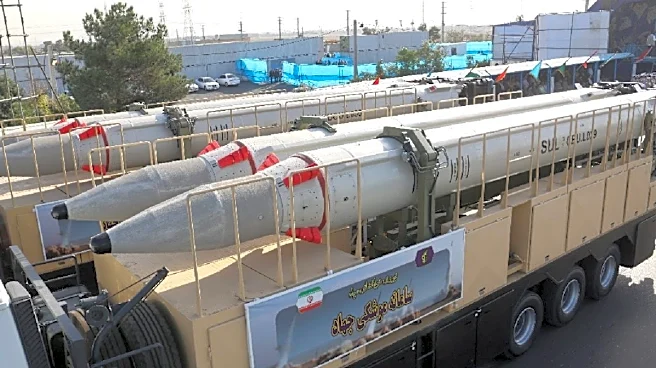
2. Infrastructure sabotage: Iranian drones and missiles systematically targeted critical economic infrastructure in the Gulf, including oil refineries, data centres, and logistics hubs. These strikes were designed to make regional wars economically unsustainable for adversaries by spiking insurance premiums and deterring foreign investment.
3. ‘Resistance economy’ and sanction evasion: Iranhas built a domestic “resistance economy” to survive prolonged isolation, according to reports.
Their strategies include:
- Energy transmutation: Converting surplus oil and natural gas into digital currency through large-scale cryptocurrency mining to bypass the US-led financial system.
- Alternative trade networks: Increasing cooperation with Russia and China, and using messaging systems like CIPS (Cross-Border Interbank Payment System) to bypass the SWIFT network.
- Asymmetric proxy warfare: By arming groups like the Houthis in Yemen, Iran has gained the ability to disrupt maritime traffic in the Red Sea and Bab al-Mandeb Strait without direct state-on-state conflict.
Global impact of the US-Iran conflict
On Tuesday, April 7, United States (US) President Donald Trump agreed to a temporary ceasefire following the closure of the Strait of Hormuz, contingent on the waterway reopening.
The International Monetary Fund (IMF) has warned that the conflict will permanently slow global economic growth even if peace is durable. In the US, inflation has picked up, fuelled by the energy crisis.
Major economies like the EU and Japan are now building “economic deterrence arsenals”, recognising that control of critical waterways or technology can give smaller governments enormous sway in a globalised economy.
KEY FAQs
What are the 3 tactics Iran used for economic warfare?
Chokepoint control (threatening the Strait of Hormuz), disrupting oil supply to raise global prices, bypassing sanctions (e.g., alternative payments like crypto).
Why is this effective without being a superpower?
Because controlling a key trade route lets Iran impact the global economy at low cost.
What is the global impact?
It causes oil shocks, higher inflation, and disrupted trade worldwide.
With agency inputs




/images/ppid_59c68470-image-177582003828358436.webp)
