


/images/ppid_a911dc6a-image-178048525645859322.webp)
World Environment Day is observed annually on June 5 as the United Nations’ largest platform for environmental awareness and action. Led by the United Nations Environment Programme (UNEP), the global event brings together governments, businesses, communities and individuals to address some of the planet’s most pressing environmental challenges.
Since its launch in 1973, World Environment Day has played a key role in highlighting issues ranging from biodiversity loss and pollution to climate resilience and sustainable development.
The theme for World Environment Day 2026, “Inspired by Nature. For Climate. For Our Future.,” underscores the growing importance of nature-based solutions in tackling Climate Change.
From restoring forests and wetlands
to protecting oceans and urban green spaces, the campaign highlights how healthy ecosystems can help absorb carbon emissions, reduce disaster risks and strengthen communities against the impacts of a warming world.
PHOTOS: World Environment Day 2026 Theme, ‘Inspired By Nature. For Climate. For Our Future’ Explained
Why Scientists Are Raising New Concerns
Scientists have warned about climate risks for decades, but many experts now believe the world is entering a more dangerous phase of environmental change. The concern is no longer just about future projections; it is increasingly about changes already being witnessed across continents.
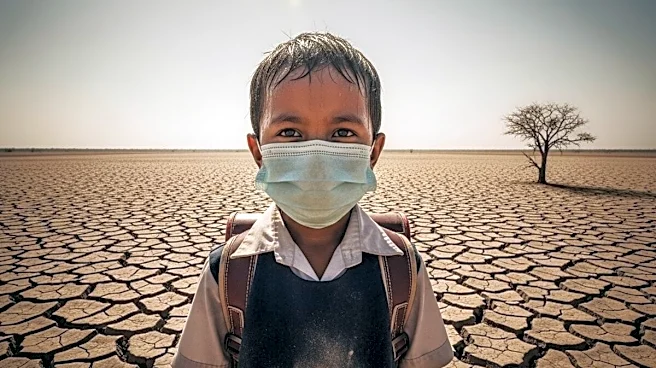
Recent years have seen record-breaking temperatures, prolonged heatwaves, severe droughts, devastating floods and more intense storms. Researchers say these events are becoming more frequent and severe as global temperatures continue to rise.
PHOTOS: World Environment Day 2026: This Indian State Was The First To Ban Plastic Bags
According to climate experts, warming is occurring at a pace that could challenge the ability of both natural ecosystems and human societies to adapt effectively.
Another major concern is the declining health of ecosystems that help regulate the planet’s climate. Forests, wetlands and oceans act as natural carbon sinks, absorbing vast amounts of carbon dioxide from the atmosphere.
However, deforestation, land degradation and pollution are weakening these natural systems, reducing their capacity to offset greenhouse gas emissions.
ALSO READ: World Environment Day 2026: How India’s Leading Brands Are Turning Daily Habits Into Climate Action
Scientists are also increasingly alarmed by the scale of Plastic Pollution. Tiny plastic particles, known as microplastics, have been detected in oceans, rivers, soil, food supplies and even the human body. Researchers are still studying their long-term effects, but growing evidence suggests they may pose risks to ecosystems and human health.
For India, the warnings carry particular significance.
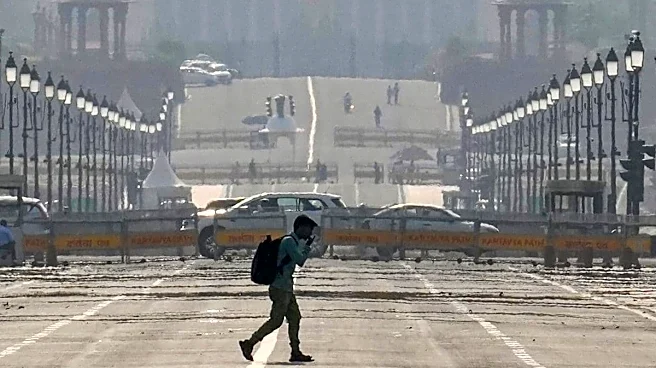
Cities such as Delhi continue to face challenges linked to air pollution, extreme heat and rapid urbanisation. Experts argue that investing in clean energy, sustainable transport, waste management and green infrastructure will be essential to building climate resilience in the coming decades.
As World Environment Day 2026 is observed across the globe, scientists hope the latest warnings will encourage stronger action from governments, businesses and individuals alike. Their message is clear: environmental challenges are becoming more urgent, but solutions still exist if action is taken now.
/images/ppid_a911dc6a-image-178063204617248350.webp)




/images/ppid_59c68470-image-178058253536312563.webp)



/images/ppid_59c68470-image-17804550438416547.webp)