
/images/ppid_59c68470-image-177600510203099913.webp)

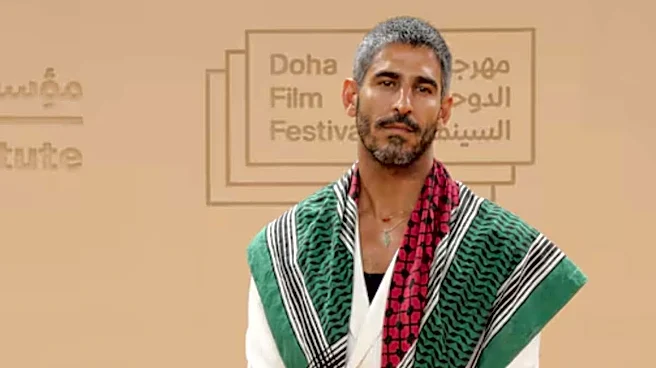
The Committee to Protect Journalists (CPJ)- a prominent press freedom organization demanded the release of a Kuwaiti American journalist who has been held in Kuwait since early March, when authorities detained him over social media posts related to the war in Iran. The CPJ said that Ahmed Shihab-Eldin was visiting family in Kuwait when the conflict erupted on February 28, drawing in the United States, Israel, Iran and several other regional powers. He has not posted on social media or been seen publicly since March 2.
Read more: Why Giorgia Meloni Is Suspending Italy’s Defence Agreement With Israel
Kuwaiti authorities charged Ahmed Shihab-Eldin with spreading false information, harming national security and misusing his cellphone- accusations
the CPJ described as “vague and overly broad” and routinely deployed against independent journalists to silence them.
CPJ regional director Sara Qudah said, “We call on Kuwait to release Ahmed Shihab-Eldin and drop all charges against him. Journalism is not a crime, and Shihab-Eldin’s case reflects a broader pattern of using national security laws to stifle scrutiny and control the narrative.”
What Did Ahmed Shihab-Eldin Post?
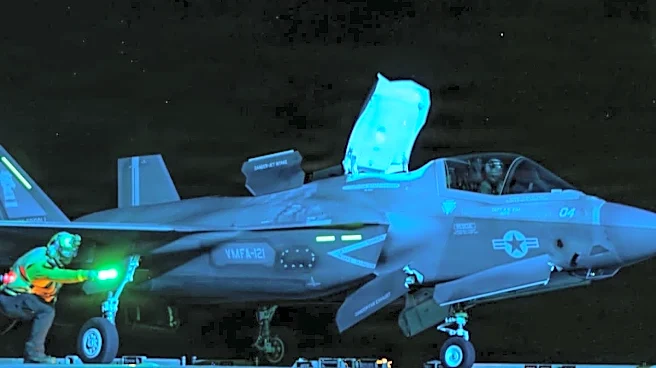
It is not entirely clear which posts prompted Ahmed Shihab-Eldin’s detention. The CPJ said that prior to his arrest, Ahmed Shihab-Eldin commented on publicly available videos and images tied to the Iran war. Among his recent posts was a geolocated video showing a US fighter jet crash near an American air base in Kuwait. Ahmed Shihab-Eldin’s Instagram, Facebook and X (formerly Twitter) accounts all appear to have been deactivated or removed, with platforms noting the accounts “do not exist” or are “not available” as of April 14.
Read more: Socialism For Others Only? Spain PM Pedro Sanchez’s Wife Charged With Corruption
Since the US and Israel launched strikes on Iran and Tehran retaliated with attacks across the region, the CPJ said that it has recorded the killing of nine journalists, the detention or questioning of 11 others, damage to nine media outlets in airstrikes and threats or assaults against 16 journalists.
Countries throughout West Asia have strict military censorship rules aimed at preventing the release of information that could assist enemy combatants. Shortly after the war broke out, Kuwait’s Ministry of the Interior warned against filming or publishing videos or information related to Iranian attacks, announcing that several people had already been arrested for spreading false news.
/images/ppid_a911dc6a-image-177605862517571384.webp)

/images/ppid_a911dc6a-image-177605283670562356.webp)

/images/ppid_59c68470-image-177606503110539821.webp)
