
/images/ppid_59c68470-image-17804925701988100.webp)
There was a time when children’s films weren’t a niche category in Bollywood—they were some of the industry’s most beloved and culturally influential movies. Generations of Indian moviegoers grew up watching stories that combined adventure, fantasy, comedy, and valuable life lessons, creating memories that lasted long after they left the theatre.
The Legacy Of Mr India, Makdee And Hanuman
From Mr India and Chota Chetan to Makdee, Jajantaram Mamantaram, Hanuman, Koi… Mil Gaya, and Taare Zameen Par, Bollywood regularly produced films that were made with younger audiences in mind. These weren’t merely children’s films; they were family events. Parents, grandparents, and children could all enjoy them together, making them some of the most universally
loved films of their respective eras.
Many of these movies went on to become cultural phenomena. Mr India gave Indian cinema one of its most iconic superheroes and villains in Arun and Mogambo. Koi… Mil Gaya introduced audiences to Jadoo, a character that became a pop-culture sensation and eventually led to India’s biggest superhero franchise, Krrish.
Makdee terrified and entertained children in equal measure, while Taare Zameen Par sparked a nationwide conversation about learning disabilities and the pressures faced by schoolchildren. Even animated films like Hanuman proved that Indian audiences were willing to embrace stories specifically designed for younger viewers.
The Younger Audiences Were Given Due Respect
What made these films special was their ability to respect their audience. They didn’t talk down to children. Instead, they treated them as intelligent viewers capable of understanding complex emotions, moral dilemmas, and meaningful life lessons. The best children’s films balanced fantasy with heart, ensuring that adults enjoyed them just as much as kids.
However, over the past decade, children’s cinema in Bollywood has witnessed a dramatic decline. Today, mainstream Hindi cinema is dominated by action spectacles, franchise films, crime dramas, thrillers, and star-driven commercial entertainers. While family films still exist, movies made specifically for children have become increasingly rare. It is now uncommon to see a major Bollywood studio back a children’s fantasy, adventure, or coming-of-age story with the same enthusiasm it once did.
Financial Risk: Action, Star-Backed Films Sell More Tickets
The most obvious reason is economics. Modern Bollywood is increasingly driven by opening-weekend box-office numbers and large-scale theatrical spectacles. Producers often view children’s films as financially risky because they may not generate the kind of massive collections associated with action franchises or star-led blockbusters. Investing hundreds of crores in a film designed primarily for children is a gamble many studios are reluctant to take.
Rise Of Streaming Has Provided A Variety Of Content To Kids
The rise of streaming platforms has also changed viewing habits. Earlier generations had limited entertainment options, making a theatrical children’s film a major attraction. Today’s young audiences have access to endless content through YouTube, Netflix, Prime Video, and gaming platforms. As a result, Bollywood faces intense competition for children’s attention.
Competition From Hollywood Franchises
Another major factor is Hollywood’s dominance in the family-entertainment space. Franchises such as Toy Story, Frozen, Moana, Despicable Me, and the Marvel Cinematic Universe have built enormous fan bases in India. These films arrive with cutting-edge visual effects, extensive marketing campaigns, and merchandising ecosystems that Bollywood often struggles to match.
Focus On Urban Adults
The industry’s creative priorities have shifted as well. Over the years, filmmakers have increasingly targeted urban young adults and mass-market action audiences. Stories about superheroes, magical worlds, adventurous children, or imaginative fantasy settings have gradually given way to high-octane action dramas and darker, more mature narratives.
Ironically, the decline of children’s films has created a gap in the market. Parents frequently complain about the lack of family-friendly theatrical options, especially during holidays and weekends. Many mainstream releases feature violence, adult themes, or intense action, making them unsuitable for younger viewers.
Why The Great Grand Superhero Is Special: Focuses On Warmth, Imagination And Emotional Storytelling
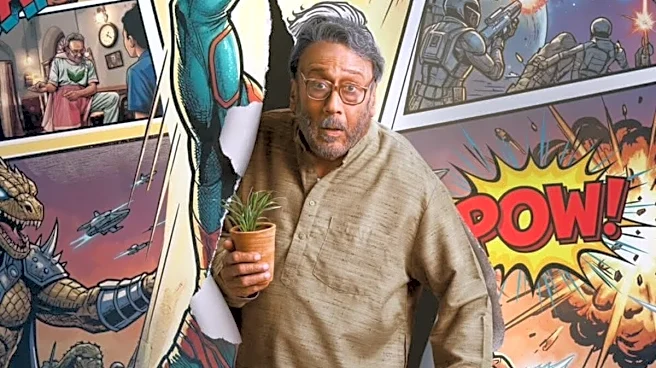
While children still consume entertainment in large numbers, there are fewer films being made specifically for them. This is precisely why The Great Grand Superhero feels so refreshing. Rather than competing with larger superhero franchises through scale and spectacle, the Jackie Shroff-starrer embraces the qualities that once made children’s cinema so special.
The film focuses on warmth, imagination, humour, and emotional storytelling. It offers a hero that children can admire and a narrative that families can enjoy together, echoing the spirit of Bollywood’s beloved family entertainers from decades past. In many ways, The Great Grand Superhero feels like a throwback to an era when films weren’t afraid to be wholesome, optimistic, and designed for audiences of all ages.
While the film is unlikely to become a blockbuster success, its existence alone is a reminder that there is still room for children’s cinema in Bollywood. If audiences embrace films like The Great Grand Superhero, it could encourage studios to revisit a genre that once produced some of Indian cinema’s most enduring classics.
/images/ppid_59c68470-image-178056505655569880.webp)

/images/ppid_a911dc6a-image-17806495336982161.webp)

/images/ppid_a911dc6a-image-178066006979193339.webp)