
/images/ppid_a911dc6a-image-177597465004085331.webp)

India accounts for a significant share of the global burden of visual impairment. According to a nationally representative study published on PubMed, over 26% of individuals aged 50 and above in India experience visual impairment or related disorders. While minor eye discomfort is common in daily life, the normalisation of such symptoms underscores the need for greater awareness, enabling individuals to distinguish between routine irritation and serious conditions, and to understand when medical attention is necessary.
Even seemingly minor discomfort can be an early sign of a serious eye condition. The eye is a vital organ, often considered the window to the brain. Minor irritations are commonly experienced in everyday life, but early recognition
and timely medical intervention are critical to preventing avoidable complications and ensuring better clinical outcomes.
Dr. Sarungbam Bobby, Ophthalmologist, Founder & Director, Wangkhei Eye Hospital, shares all you need to know:
Minor Eye Irritation vs Serious Condition
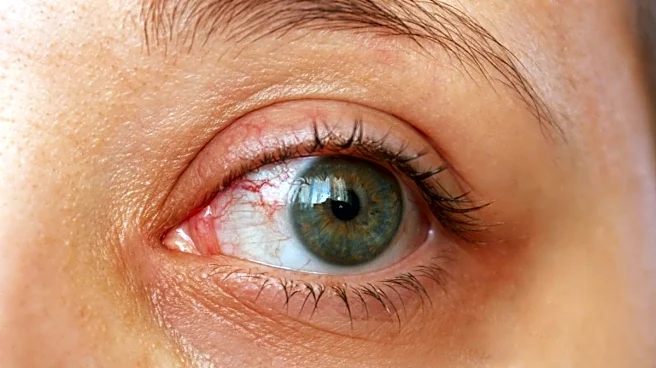
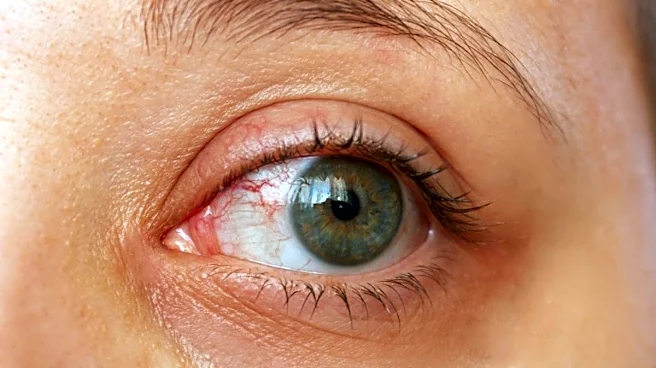
Minor eye irritation is typically temporary and triggered by everyday factors such as dust exposure, environmental dryness, or prolonged screen use. It presents with mild symptoms like slight redness, itching, or fatigue, which generally resolve with rest and basic care.
In contrast, serious eye conditions tend to persist or progressively worsen, often accompanied by symptoms such as pain, vision disturbances, swelling, or abnormal discharge, signalling underlying issues that require prompt medical evaluation. Recognising this distinction is essential, as seemingly minor symptoms may escalate if neglected.
Warning Signs of a Serious Eye Condition
Minor eye irritations are commonly experienced in everyday life. In today’s digital, indoor-centric lifestyle, the widespread use of computer screens, mobile devices, and LED screens has made dry eye symptoms such as burning sensation, grittiness, watering, redness, photophobia, eye fatigue, and intermittent blurring, increasingly prevalent.
In contrast, symptoms of more serious eye conditions, including sudden vision loss, severe pain, and headaches, are typically more distinct and require immediate attention.
Key symptoms to watch for:
Severe eye pain: Persistent or intense pain may indicate infection, corneal damage, or increased intraocular pressure.
Blurred vision: Sudden or worsening blurring can signal abnormalities affecting the cornea, lens, or retina.
Light sensitivity (photophobia): Heightened sensitivity to light may be associated with inflammation or infection.
Swelling: Puffiness around the eyes can reflect infection, allergic reactions, or inflammation.
Irregular discharge: Unusual or excessive discharge may point to bacterial or viral infections.
At times, signs and symptoms develop gradually in mild forms and should never be neglected. Serious eye conditions such as glaucoma do not develop overnight but progress slowly. Many vision-threatening diseases can be effectively treated if detected early. For instance, floaters may be a simple age-related change, but they can also indicate a more serious condition like retinal detachment. Early detection can help prevent severe complications.
Therefore, any warning signal from the eyes should be taken seriously, and early consultation is essential to prevent potential complications. Always listen to your body’s whispers before it screams.
Taking Action at the Right Time Matters
Serious eye conditions often develop gradually and may initially present as mild irritation or redness, making them easy to overlook. This underscores the importance of proactive assessment and professional consultation rather than self-diagnosis.
In reality, most serious eye conditions do not present with dramatic symptoms at the onset. Given the sensitivity of the eyes to infections, injuries, and environmental stressors, timely medical consultation is essential instead of dismissing persistent discomfort.
Basic Practices to Protect Eye Health
Take regular breaks during prolonged screen use
Use high-quality lenses or spectacles that offer protection from dust, UV rays, and excessive brightness
Maintain proper hand hygiene before touching the eyes
Incorporate eye relaxation techniques, such as gentle massage or cooling gel pads, to reduce strain
These practices are not merely optional habits but fundamental measures for maintaining eye health. Preventive care and early intervention are key, addressing minor symptoms promptly can help avert more serious complications.
While minor eye discomfort is common, informed awareness and timely action form the cornerstone of effective eye care.

/images/ppid_a911dc6a-image-177623042974861315.webp)

/images/ppid_a911dc6a-image-177614643496084862.webp)