
/images/ppid_a911dc6a-image-177642922600239549.webp)


An Indian trade delegation will visit the United States this week to seal the bilateral trade deal.
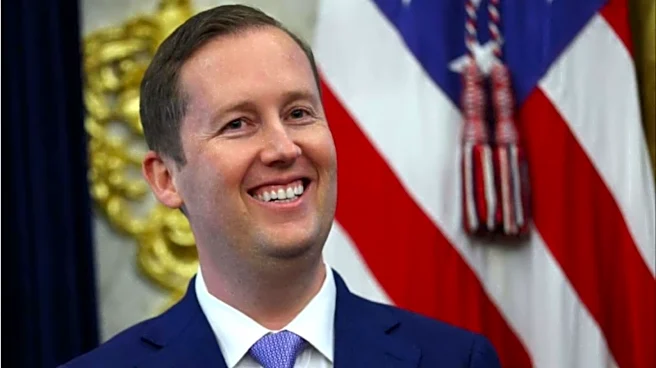
The US Ambassador to India, Sergio Gor, wrote on X, “The Indian trade delegation will be arriving in Washington this week. A great step to finalise our bilateral trade deal. A win-win for both nations!”
The Indian trade delegation will be arriving in Washington this week. A great step to finalize our bilateral trade deal. A win-win for both nations!
— Ambassador Sergio Gor (@USAmbIndia) April 20, 2026
Notably, the development comes at a time when global tariff conditions are undergoing significant changes.
Indian delegation to US will be led by chief negotiator Darpan Jain, Additional Secretary in the Department of Commerce. Officials from the customs
department and the Ministry of External Affairs.
The talks come amid a shift in the US trade environment. Earlier this year, the US Supreme Court struck down sweeping tariffs imposed by President Donald Trump under emergency powers. Soon after, the administration introduced a flat 10 per cent tariff on imports from all countries for 150 days, starting February 24.
In view of these changes, both sides are expected to revisit the framework of the agreement finalised in February. A meeting planned earlier was postponed and is now being held this week.
According to a report by PTI, the discussions may also cover two investigations launched by the US Trade Representative under Section 301 of its trade law. India has rejected the allegations in these cases and has asked the US to withdraw the probes, saying they lack strong justification.
Under the earlier draft, the US had agreed to reduce tariffs on Indian goods to 18 per cent from 50 per cent. It had also scrapped an additional 25 per cent tariff linked to India’s purchase of Russian oil, with plans to lower the remaining duties further.
India, in turn, had proposed reducing or removing tariffs on a wide range of US industrial and agricultural products, including animal feed, nuts, fruits, soybean oil, wine and spirits. It had also expressed plans to increase imports from the US—such as energy, aircraft, technology products and raw materials—over the next five years.



/images/ppid_a911dc6a-image-177657236896341999.webp)