

Not just defence, Russia’s state-owned nuclear energy company Rosatom is seeking to expand its cooperation with India, offering a wider range of nuclear technologies while also exploring opportunities in critical minerals such as titanium, zirconium and rare-earth materials.
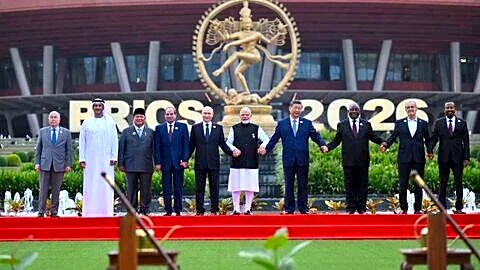
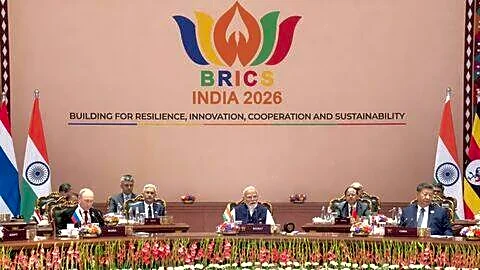
The proposals were discussed on the sidelines of the 18th BRICS Summit in New Delhi, according to MoneyControl.
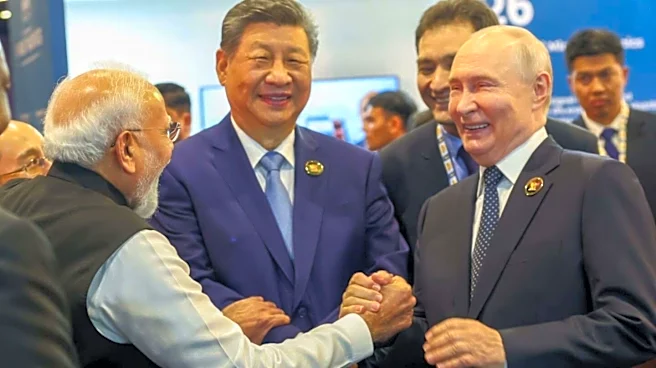
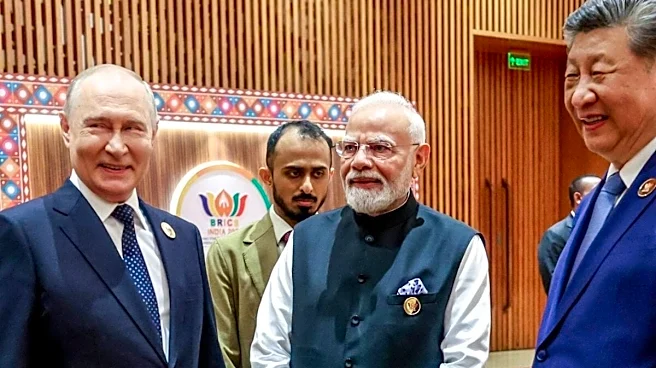
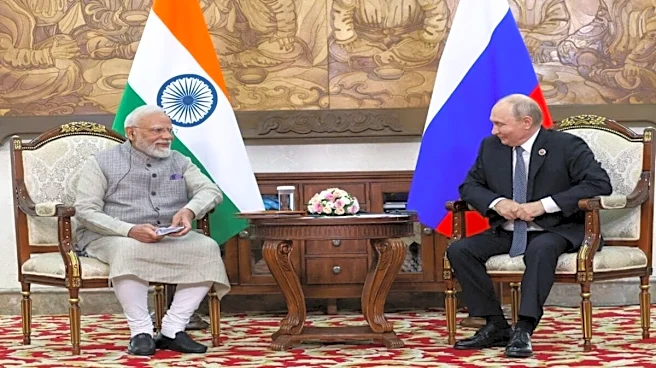
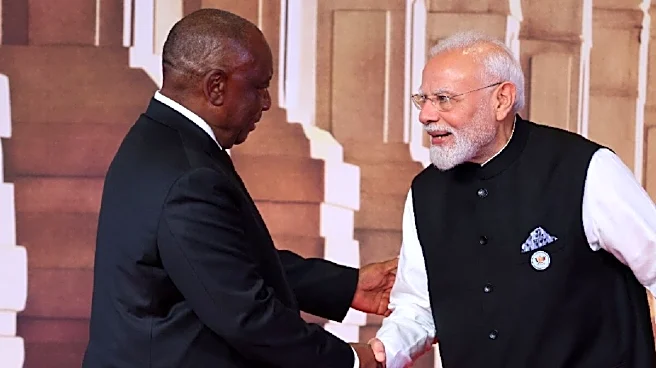
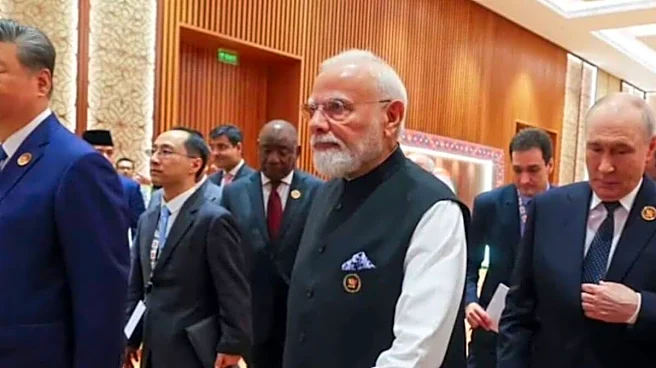
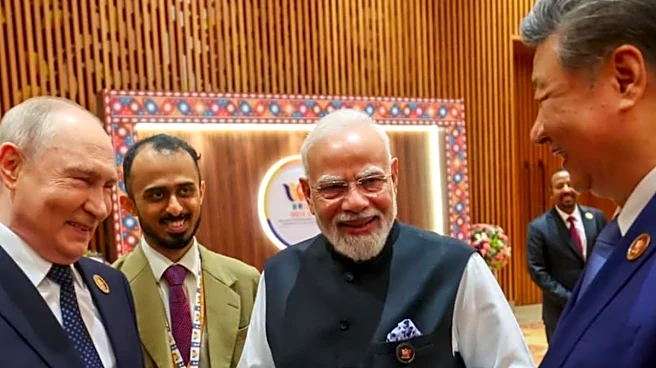
The developments came after Prime Minister Narendra Modi met Russian President Vladimir Putin in New Delhi on September 11 on the sidelines of the BRICS Summit. The two leaders reviewed bilateral cooperation, including in the energy sector, and discussed a target of $100 billion in bilateral trade by 2030 as well as greater industrial cooperation between the two countries.
Rosatom Offers Bigger Reactors, SMRs
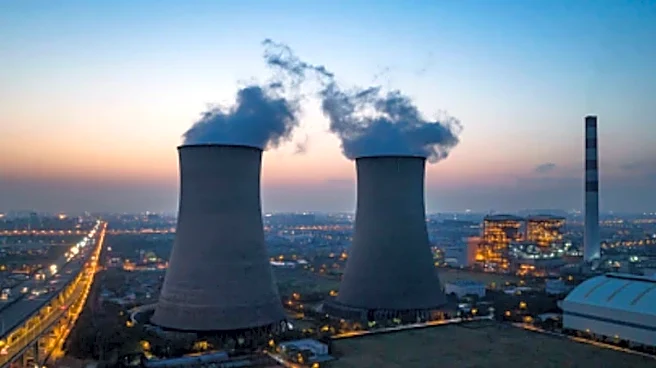
Rosatom said it is ready to offer India nuclear technologies ranging from large-capacity reactors to small modular reactors (SMRs), as New Delhi works towards a major expansion of its nuclear power capacity.
“India is consistently developing its nuclear energy sector and has set an ambitious target of increasing its nuclear capacity to 100 GW by 2047,” Kirill Komarov, Rosatom’s first deputy director general for corporate development and international business, said.
“Rosatom is already making a practical contribution towards achieving this goal: we are the only foreign company constructing a nuclear power plant in India,” he said.
Komarov added that considering the scale of India’s target, the Russian company was ready to offer “a wide range of modern nuclear solutions, from large-capacity power units to small modular reactors (SMRs)”.
Rosatom is already constructing a nuclear power plant in India. Two units of the Kudankulam Nuclear Power Plant are operational, while four others are at various stages of implementation.
VVER-1200 Technology On Offer
Rosatom is now also offering India its VVER-1200 reactor technology as it seeks to expand its nuclear partnership beyond the existing Kudankulam project.
Kudankulam Units 1 and 2 are based on VVER-1000 reactors and were connected to India’s national power grid in 2013 and 2016, respectively. According to Rosatom, the two units had generated more than 132 billion kWh of electricity since entering operation as of April 2026.
Four more units — Units 3, 4, 5 and 6 — form the second and third phases of the Kudankulam project and are also based on VVER-1000 reactors.
Russia Eyes Critical Minerals
Rosatom is also seeking opportunities in critical minerals and materials alongside nuclear power cooperation.
Its metallurgy businesses have identified titanium, zirconium, hafnium and calcium as areas for cooperation. Rosatom MetalTech is separately looking at rare-earth magnets, consolidated demand for rare-earth products and investment in new production capacities.
A concrete project has already emerged from this push. Rosatom’s Giredmet Institute and Indian company Alt Metals have signed a contract to develop a pilot titanium sponge production facility.
Push For Local Manufacturing
The Russian company is also pursuing the localisation of advanced manufacturing technologies in India. Its additive technologies business is working with Indian partners to build an ecosystem involving technology transfer, turnkey additive technology centres and equipment localisation.
Rosatom said local production of its Russian-developed 3D scanners began in India this year. The move has reduced equipment costs for Indian customers by 40 per cent, according to the company.
The products can also receive local product status under the Make in India initiative.
The wider push comes as India and Russia seek to turn their longstanding strategic partnership into deeper industrial cooperation, with nuclear energy and critical minerals emerging as areas where Russian technology and Indian manufacturing capabilities could be combined.

/images/ppid_59c68470-image-178931002597518485.webp)