
/images/ppid_59c68470-image-177544505096960118.webp)
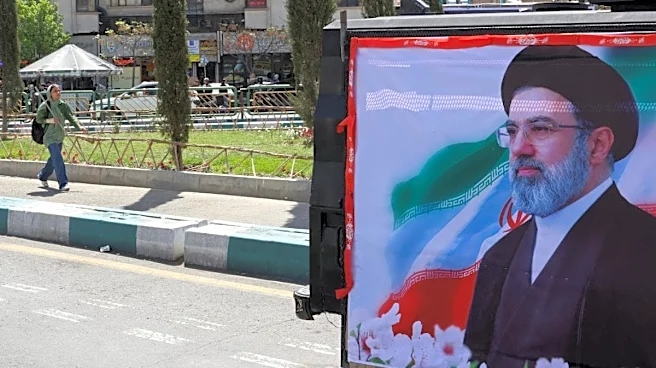
The United States, Iran and a group of regional mediators are engaged in discussions over the terms of a potential 45-day ceasefire that could pave the way for a permanent end to the war, according to a report by Axios citing four US, Israeli and regional sources familiar with the talks.
The report said that while the chances of reaching even a partial agreement within the next 48 hours remain slim, the diplomatic effort is seen as a last opportunity to prevent a dramatic escalation that could involve massive strikes on Iranian civilian infrastructure and retaliatory attacks targeting energy and water facilities across Gulf countries.
LIVE Updates On The US-Iran War
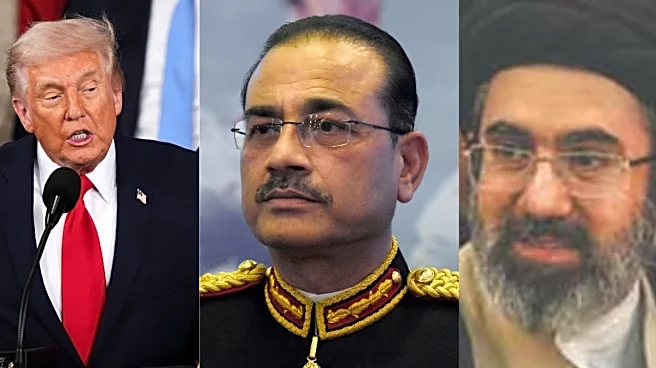
Donald Trump told Axios on Sunday that Washington is engaged in intensive diplomacy
with Tehran ahead of his deadline on Tuesday.
“There is a good chance, but if they don’t make a deal, I am blowing up everything over there,” Trump said.
TWO-PHASE FRAMEWORK UNDER DISCUSSION
According to the report, the negotiations are being conducted through Pakistani, Egyptian and Turkish mediators, as well as via text message exchanges between Trump’s envoy Steve Witkoff and Iran’s Foreign Minister Abbas Araghchi.
Sources familiar with the discussions were quoted as saying that mediators are working on a two-phase framework for a potential agreement.
The first phase would involve a 45-day ceasefire, during which both sides would attempt to negotiate a permanent end to the war.
One source told Axios the ceasefire could be extended if more time is required to finalise a broader agreement.
The second phase would focus on securing a comprehensive deal that would formally end the conflict.
STRAIT OF HORMUZ AND URANIUM STOCKPILE KEY ISSUES
The report mentioned mediators believe that fully reopening the Strait of Hormuz and resolving concerns over Iran’s highly enriched uranium stockpile could only be achieved as part of a final agreement rather than during the initial ceasefire period.
According to the sources cited, discussions are underway regarding possible confidence-building measures Iran could take concerning the Strait of Hormuz and its uranium reserves.
These two issues are considered Tehran’s primary bargaining tools in negotiations, and Iranian officials are unlikely to fully give up leverage over them in exchange for only a temporary truce.
Mediators are therefore exploring whether Iran could take partial steps on both fronts in the first phase of the deal, while the Trump administration considers measures that could provide assurances that the ceasefire would not be merely temporary and that hostilities would not resume once the 45-day period ends.
Iranian officials have communicated concerns about being placed in a situation similar to ceasefire arrangements in Gaza or Lebanon, where fighting resumed despite agreements being in place.
Mediators are working on possible US confidence-building measures that could address some of Iran’s demands and provide guarantees regarding the durability of any ceasefire.
The White House declined to comment on the discussions, Axios reported.
FEARS OF WIDER REGIONAL DAMAGE
A source with direct knowledge of the diplomatic efforts was quoted as saying that mediators are highly concerned that Iranian retaliation following potential US-Israeli strikes on the country’s energy infrastructure could cause significant damage to oil and water facilities in Gulf states.
According to the report, mediators have warned Iranian officials that there is little time left for prolonged negotiation tactics and stressed that the next 48 hours represent a critical opportunity to reach an agreement and avoid large-scale destruction.
Despite ongoing diplomatic engagement, Iranian officials have publicly maintained a hardline stance.
The Iranian Revolutionary Guards Corps Navy said Sunday that the situation in the Strait of Hormuz will “never return” to what it was before the war, particularly for the US and Israel.
The report noted that mediators are continuing efforts to bridge gaps between the two sides in what is being viewed as a last-ditch attempt to prevent further escalation in the conflict.
ALSO READ | ‘POTUS Is Ranting Like Unhinged Madman’: Trump’s Easter Sunday Iran Warning Sparks Outrage In US

/images/ppid_59c68470-image-177558252804980483.webp)

/images/ppid_59c68470-image-177561253368974873.webp)
/images/ppid_59c68470-image-177546252996877041.webp)