
/images/ppid_59c68470-image-177593253194077026.webp)
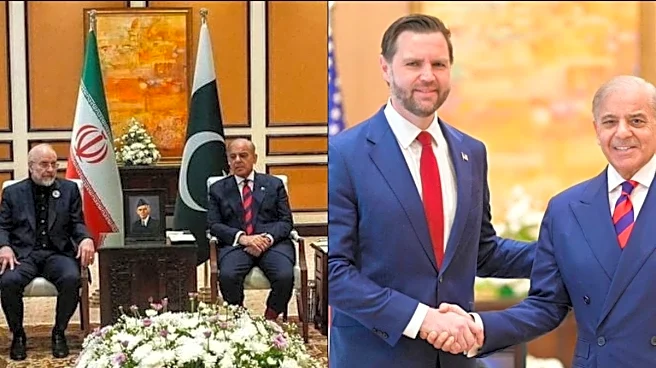
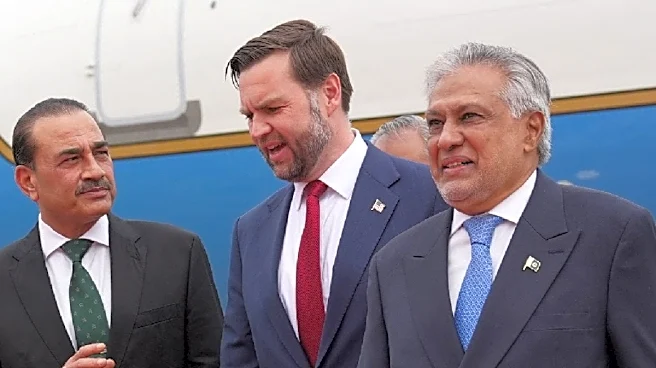
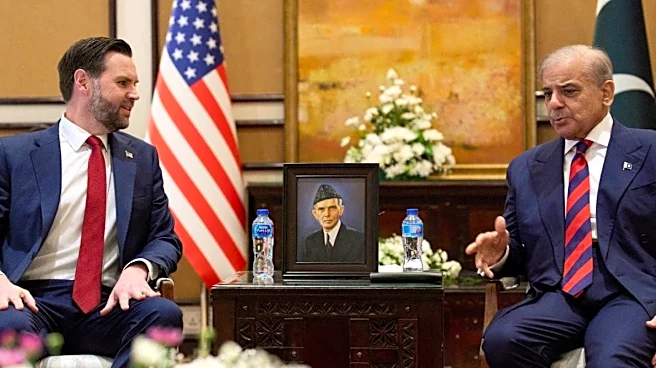
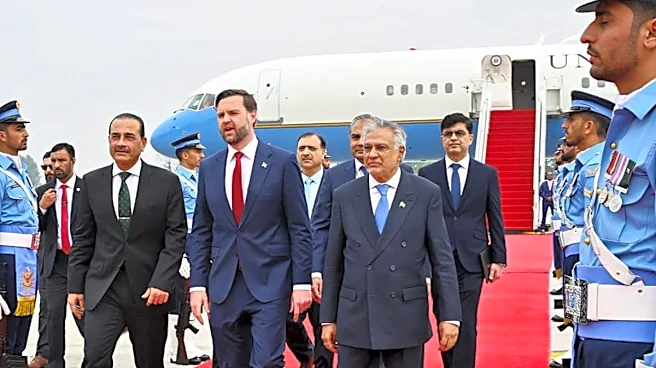
As Pakistan prepares to host crucial peace talks this weekend aimed at de-escalating tensions in West Asia, a United States delegation led by Vice President JD Vance departed for Islamabad. This comes amid mutual accusations between the US and Iran of violating commitments tied to a fragile two-week ceasefire.
Officials in Washington expressed doubts that the discussions would quickly lead to reopening the Strait of Hormuz, a critical global oil route. Iranian negotiators, meanwhile, signaled that talks may not even begin unless key demands are addressed, including sanctions relief and an end to Israeli attacks on Lebanon. Follow for live updates
Iran Sets Tough Conditions, Deepening Uncertainty Over Ceasefire
Iranian Parliament Speaker Mohammad
Baqer Qalibaf and Foreign Minister Abbas Araqchi insisted that any ceasefire must extend to Israel’s operations against Hezbollah in Lebanon and include the unfreezing of Iranian assets. These conditions cast uncertainty over the talks, which mark the most senior-level engagement between the two nations since the 1979 Islamic Revolution.
The US team, which also includes special envoy Steve Witkoff and US President Donald Trump’s son-in-law, Jared Kushner, was scheduled to arrive in a heavily secured Islamabad, where Pakistan is seeking to position itself as a credible mediator.
Despite sustaining significant damage since hostilities, which escalated in February, Iran retains the ability to target regional rivals and disrupt maritime traffic. The conflict has triggered a major oil supply shock, fueling inflation concerns and raising fears of a broader economic downturn.
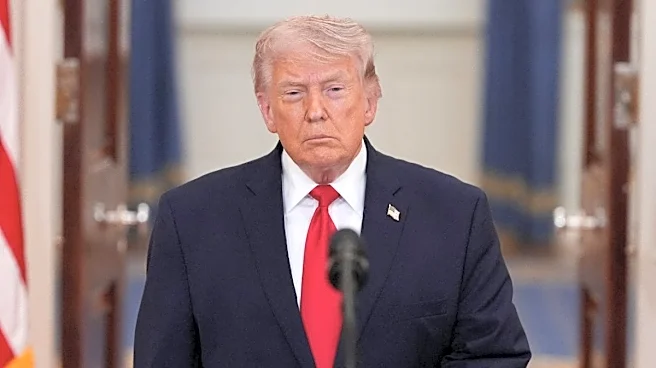
The US President, facing domestic political pressure ahead of midterm elections, is looking for a way to de-escalate tensions. However, US officials remain cautious about Iran’s willingness and capacity to negotiate meaningfully.
Significant differences persist between both sides. Iran’s proposals include lifting sanctions and asserting control over the Strait of Hormuz, while Washington is expected to push for curbs on Iran’s nuclear and missile programs, as well as the release of detained US citizens.
Global Oil Risks Rise As Diplomatic Gaps Persist
Barbara Leaf, a former career diplomat who served as assistant secretary of state overseeing the Middle East during the administration of former US President Joe Biden, said there was a “very high risk of return to escalation” between the US and Iran, Reuters reported.
The Trump administration would be keenly aware of the pressure from energy supply disruptions and higher US gas prices, she said.
“Time is not on the administration’s side,” Leaf said, adding, “That’s what gives the (Iranian government) such a high degree of confidence that it’s displaying. It’s not entirely a false swagger.”
Analysts warn that without progress, the situation risks sliding back into escalation, with global energy markets and geopolitical stability hanging in the balance.
What Is West Asia Conflict?
The West Asia conflict is rooted in deep geopolitical rivalries, particularly involving Iran, Israel and the United States, shaped by ideological differences, security concerns and regional power struggles.
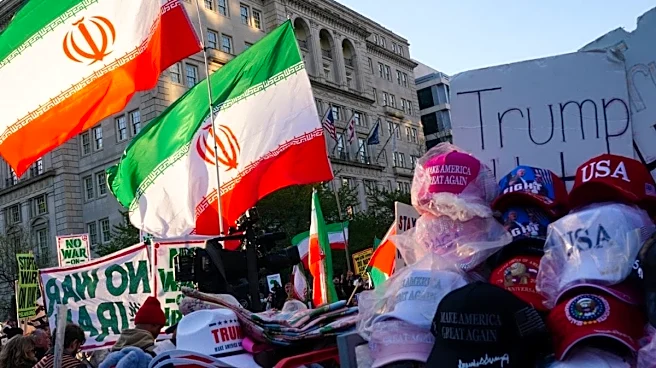
Tensions have been fuelled by disputes over Iran’s nuclear programme and proxy wars across the region. The conflict escalated sharply on February 28, 2026, with direct US-Israeli strikes on Iran and retaliatory attacks, that followed, raising fears of a wider regional war and global economic disruption.
/images/ppid_59c68470-image-177587253574223106.webp)

/images/ppid_59c68470-image-177584505670191727.webp)