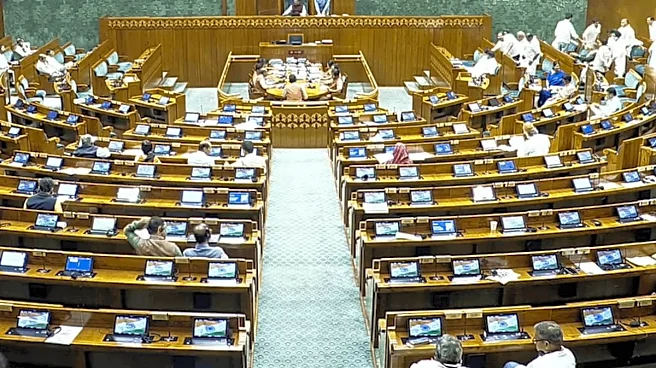


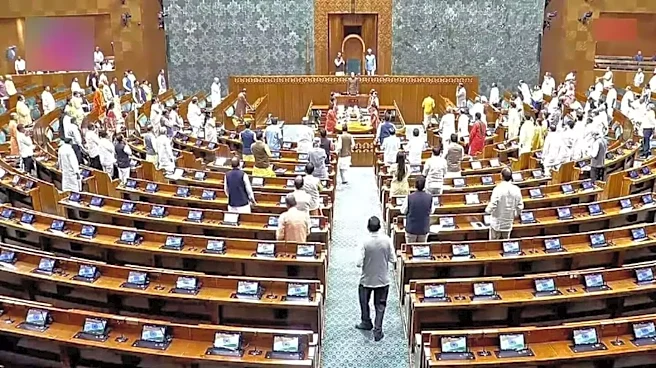
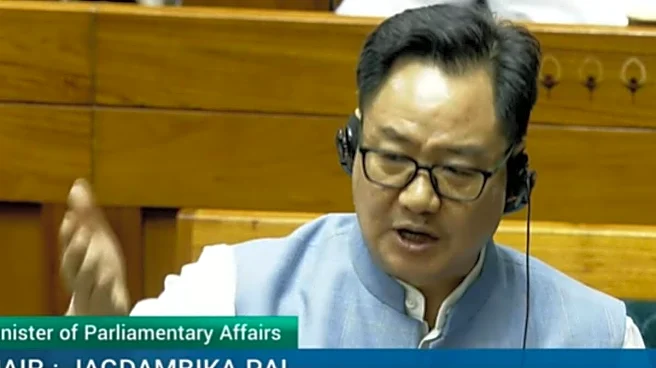
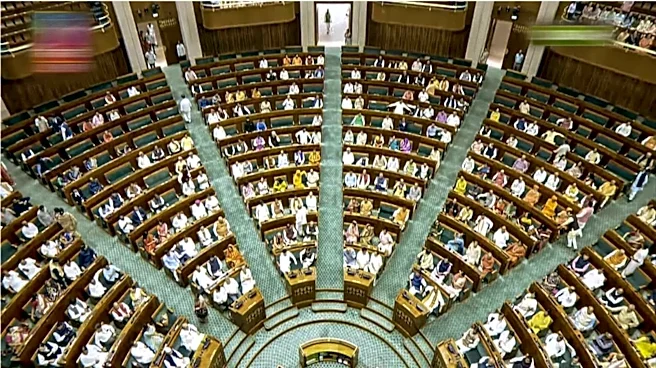
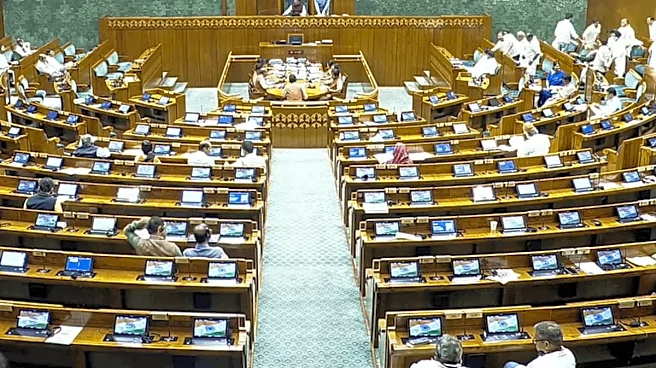
The Narendra Modi government has decided to send the Foreign Contribution (Regulation) Amendment Bill, 2026 for detailed scrutiny by a Joint Parliamentary Committee (JPC), marking a significant pause in the legislative process after days of political confrontation and criticism from opposition parties, church bodies, and civil society groups. The decision was announced in Parliament on August 12, with the Lok Sabha adopting a motion to refer the bill to a parliamentary panel for a clause-by-clause review.
At the centre of the process is a 31-member parliamentary committee that will examine the proposed changes to the FCRA framework, hear stakeholders, and submit recommendations before Parliament takes up the bill again.
Why Has The Bill Become Contentious?
The FCRA governs how individuals,
associations, NGOs, and other organisations in India can receive and use foreign contributions. The 2026 amendment bill seeks to make several changes to the existing law, including provisions relating to the management of assets created through foreign funds when an organisation’s FCRA registration is cancelled, surrendered, or not renewed. The bill also proposes changes to penalties under the Act. According to PRS Legislative Research, one of the key issues is that cessation of an FCRA certificate could lead to vesting of certain foreign-funded assets in a designated authority, raising questions about organisational autonomy and property rights.
Opposition parties have accused the government of targeting minority and charitable organisations, while church bodies and Christian NGOs have described the bill as excessive and have demanded either major changes or withdrawal. At the same time, some minority organisations have welcomed the decision to send the bill to a JPC, saying it opens space for a detailed clause-by-clause examination.
What Is The Joint Parliamentary Committee?
A JPC is an ad hoc committee of Parliament constituted jointly by the Lok Sabha and the Rajya Sabha to examine a specific bill or issue in greater detail than is usually possible during floor debates. Such committees can call for written submissions, hear experts and stakeholders, seek documents, and conduct detailed scrutiny before presenting a report to Parliament.
In this case, the committee has been constituted specifically to review the Foreign Contribution (Regulation) Amendment Bill, 2026.
Composition Of The 31-Member Panel
The committee will have 31 members in total, with representation from both Houses of Parliament.
- 21 members from the Lok Sabha, who will be nominated by the Speaker of the Lok Sabha.
- 10 members from the Rajya Sabha, who will be nominated by the Chairman of the Rajya Sabha (the Vice-President of India).
This 21:10 ratio follows the conventional structure of many joint parliamentary committees, where the Lok Sabha has roughly twice the representation of the Rajya Sabha. The names of the members are expected to reflect representation from major political parties across the ruling alliance and the opposition.
What Is The Panel Expected To Do?
The JPC is expected to undertake a detailed clause-by-clause review of the amendment bill. This means the committee can:
- Examine every proposed amendment to the FCRA.
- Invite comments from NGOs, religious bodies, legal experts, and other stakeholders.
- Seek clarifications from the Ministry of Home Affairs.
- Recommend modifications, deletions, or additions to the bill.
- Present a report to Parliament containing its findings and recommendations.
The committee’s recommendations are not automatically binding on the government, but they often carry significant political and legislative weight, especially on contentious bills.
The Key Deadline
One of the most important details is the timeline given to the committee. Parliament has directed that the JPC submit its report by the last day of the first week of the Winter Session of Parliament. This means the panel has a relatively limited window to conduct consultations and finalise its recommendations before the bill returns to Parliament for further consideration. The deadline was included in the motion adopted by the Lok Sabha.
Why Did The Government Choose The JPC Route?
The decision is being seen as an attempt to build broader political legitimacy around a bill that had triggered sharp opposition both inside and outside Parliament. The referral came amid disruptions in both Houses and demands from opposition parties that the bill be withdrawn. Rather than pressing ahead with immediate passage, the government opted for a committee-based review process, which allows more time for discussion and consultation.
The move is also significant because the FCRA has long been a politically sensitive law, affecting thousands of non-governmental organisations, educational institutions, charitable bodies, and religious organisations that receive foreign funding.
The immediate next step is the formal nomination of members by the Speaker and the Chairman of the Rajya Sabha. Once constituted, the committee will elect or be assigned a chairperson, schedule meetings, and begin inviting submissions from stakeholders.
For now, the FCRA Amendment Bill is not being passed immediately. Its future will depend on what emerges from the 31-member Joint Parliamentary Committee and whether the government chooses to accept, modify, or reject the panel’s recommendations when the report is tabled during the Winter Session.
In effect, the debate over the FCRA has now moved from the floor of Parliament to the more detailed and consequential arena of parliamentary committee scrutiny, where the final shape of the law may be decided.



/images/ppid_59c68470-image-178635502614570838.webp)