



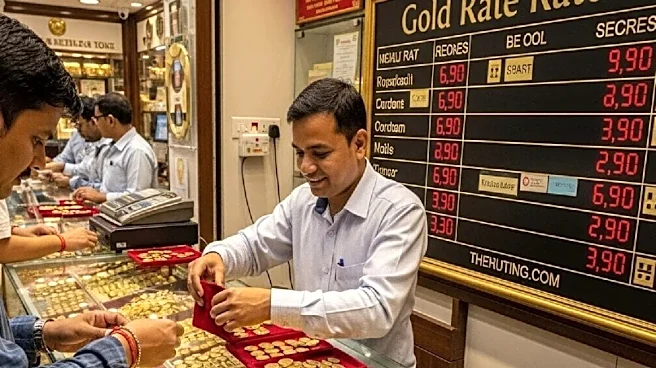
The National Stock Exchange (NSE) on May 18 announced the commencement of live trading in the Electronic Gold Receipts (EGR) segment, marking a major step towards creating an organised and transparent ecosystem for gold trading in India.
The exchange said live trading in EGRs began from Monday, May 18, after a successful mock trading session conducted on May 16 without any system issues or exceptions.
“The launch follows a comprehensive mock trading exercise conducted on Saturday, 16 May 2026, which was completed without any errors or system exceptions, and live trading has accordingly commenced seamlessly with all systems functioning as designed,” NSE said in a press release.
What NSE Said
According to the exchange, the EGR product has received an “overwhelming
response” from market participants and the broader ecosystem. The NSE said vaulting and collection centres are currently operational in Ahmedabad and Mumbai. It further added that four additional centres at Delhi, Kolkata, Chennai and Bengaluru are also being activated from Monday.
“The Exchange will announce further centres in a phased manner, with the network expanding up to 120 centres across the country in due course of time,” the exchange said.
What Are Electronic Gold Receipts?
Electronic Gold Receipts are dematerialised securities that represent ownership of physical gold stored in Sebi-accredited vaults. The receipts can be held in demat form and traded on the exchange similar to shares and other securities.
Each EGR is backed by actual physical gold, allowing investors to participate in gold trading through a regulated electronic platform without directly handling physical bullion.
The mechanism also allows conversion between physical gold and electronic receipts.
Why It Matters
The launch is expected to improve transparency and price discovery in India’s gold market while integrating physical gold into the formal financial system. The exchange believes the new segment could improve trust and participation among jewellers, traders, refiners, institutions and retail investors.
Earlier, NSE had also demonstrated the successful dematerialisation of a 1,000-gram gold bar into an Electronic Gold Receipt, showcasing the seamless conversion of physical gold into a tradable electronic instrument.
Meanwhile, PM Modi last week appealed to people to avoid buying gold for a year, in order to save forex reserves.
Following this, the government on Wednesday hiked import duty on gold and silver to 15 per cent to curb non-essential imports amid the West Asia crisis which has put pressure on forex reserves.
Effective May 13, import duty on gold and silver has been increased from 6 per cent to 15 per cent and that on platinum has been raised from 6.4 per cent to 15.4 per cent. Consequential changes have also been made to other items such as gold/silver dore, coins, findings, etc.
On May 16, the Centre has tightened import rules for certain categories of silver bars by changing their import status from “Free” to “Restricted” with immediate effect, in a move that comes amid rising concerns over India’s import bill, pressure on the rupee, and global uncertainty linked to the ongoing West Asia crisis.
/images/ppid_59c68470-image-177908503468528100.webp)

/images/ppid_a911dc6a-image-177904743758435286.webp)






/images/ppid_59c68470-image-177882502920381447.webp)