
/images/ppid_59c68470-image-178802252664647280.webp)
/images/ppid_59c68470-image-178814752469282524.webp)

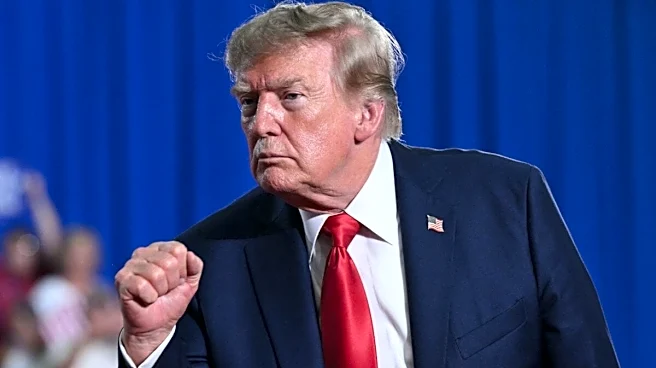
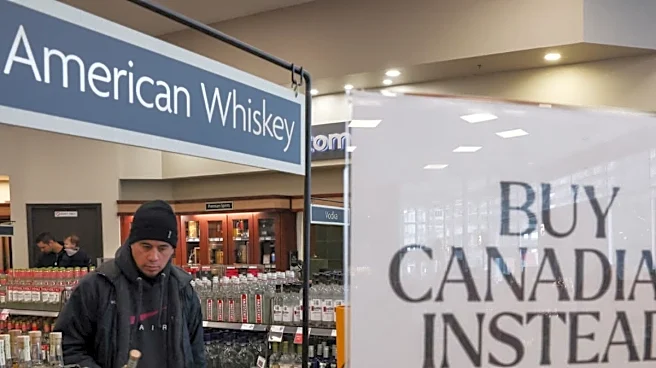
A growing number of Canadians are deliberately avoiding US-made products and services as tensions with Washington intensify over tariffs and President Donald Trump’s policies toward Canada.
For William McDonald, 38, a diesel mechanic from Thunder Bay, Ontario, choosing Canadian products comes before saving money. He said the boycott has increased his household expenses, but he remains willing to pay more.
Trump Tariffs Fuel Backlash
“As soon as Trump started putting those tariffs on in February [last year], I started boycotting US goods,” he said. “Avoiding American products has driven my costs up, and I’m still happy to do it,” he added, according to a report in The Guardian.
“I used to drink US beer, but now I drink Canadian beer, and that costs
me an extra C$1,000 (£531/US$720) a year. Likewise, groceries cost about C$50 more a week, but you work that extra hour to pay for it,” he added.
McDonald compared Trump’s approach to Canada with “a lot like the schoolyard bully yelling and stomping their feet when they don’t get the cowering reaction they expect”.
Canadians Choose Local Products Over American Goods
The consumer backlash has gained momentum since the US imposed 50% tariffs on US$20 billion worth of Canadian goods. Prime Minister Mark Carney has pledged to respond “dollar for dollar” following the breakdown of trade negotiations.
A Guardian survey of more than 3,500 Canadians found many had altered their spending and travel habits. People reported switching to Canadian groceries, avoiding trips to the US and dropping American technology, streaming services provided by Netflix, AmazonPrime, AppleTV and Disney+; vehicles such as Teslas; fuel and alcohol brands. Some are also steering clear of US airlines and hotels.
An Angus Reid poll in July found that 40% of grocery shoppers were actively checking product origins, with most of those doing so avoiding US goods whenever possible.
The “Anything but US” and “Anywhere but USA” campaigns, along with the “Elbows Up!” slogan, have become symbols of the movement.
“I read labels on packaged food, and if it’s made in the US, I don’t buy it,” said Elizabeth Lorenz, 68, a retired teacher from Nanaimo, British Columbia.
/images/ppid_59c68470-image-178814264663051598.webp)

/images/ppid_59c68470-image-178807752977088237.webp)
/images/ppid_59c68470-image-178814268186962140.webp)


/images/ppid_59c68470-image-178819261802075098.webp)
/images/ppid_59c68470-image-178814002548641493.webp)
/images/ppid_59c68470-image-178803752825461396.webp)