
/images/ppid_59c68470-image-17886850274759655.webp)

Nepal Floods: At least 275 Indian nationals remain missing in Nepal following devastating floods and landslides along the Nepal-Tibet border, the Ministry of External Affairs (MEA) said. The ministry said 166 Indian nationals have been rescued in Nepal so far, while 1,907 Indians have crossed safely into Nepal.
The MEA said it remained in close contact with the Nepali government over the situation. It also said that no Indian nationals were stranded in the Tibetan Autonomous Region. The wider disaster has killed more than 1,300 people across Nepal and Tibet, while more than 5,600 remain missing.
The MEA said 275 Indian nationals were still unaccounted for in Nepal as rescue and relief operations continued across areas hit by the floods.
“275 Indian
Nationals remain missing. We continue to be in close touch with Nepali Government. 166 Indian Nationals rescued in Nepal, so far 1907 India. Nationals crossed safely into Nepal. No Indian nationals stranded in Tibetan Autonomous Region,” the ministry said. Authorities have been working to locate people stranded or missing after the floods swept through settlements, roads and hydropower projects.
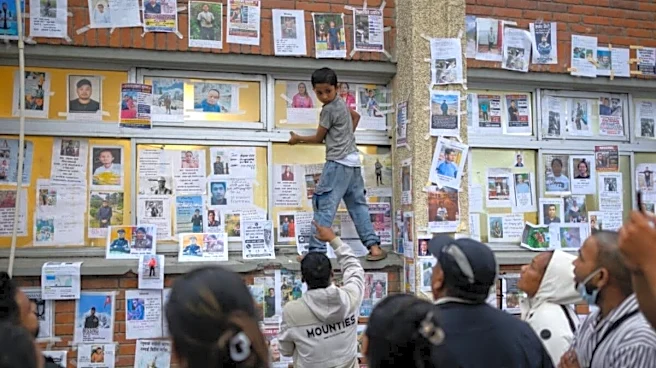
Nepal’s disaster authority said 1,287 people have died in the country and 5,083 remain missing. In Tibet, Chinese state media reported 21 deaths and 541 missing, taking the combined toll to 1,308 dead and 5,624 missing. More than 800 foreigners, including Himalayan trekkers and pilgrims, are also reported to be missing.
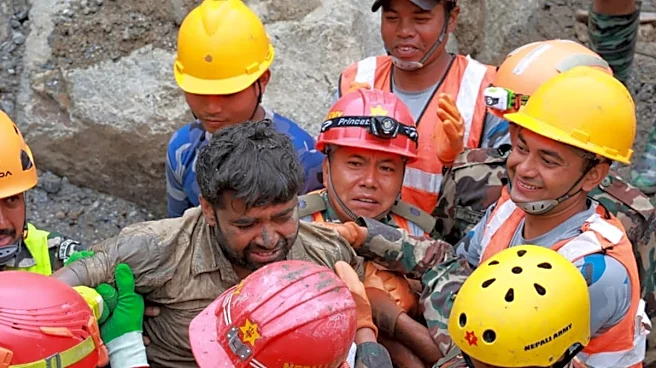
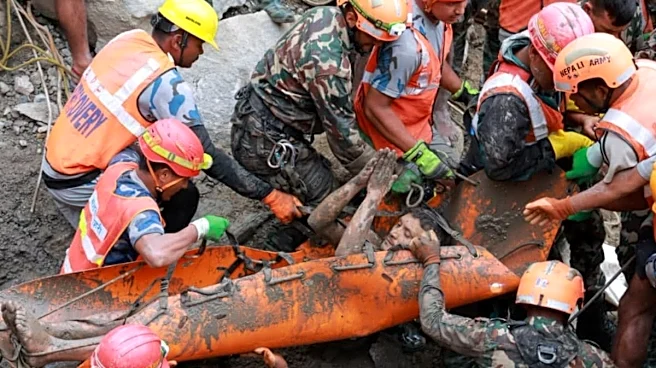
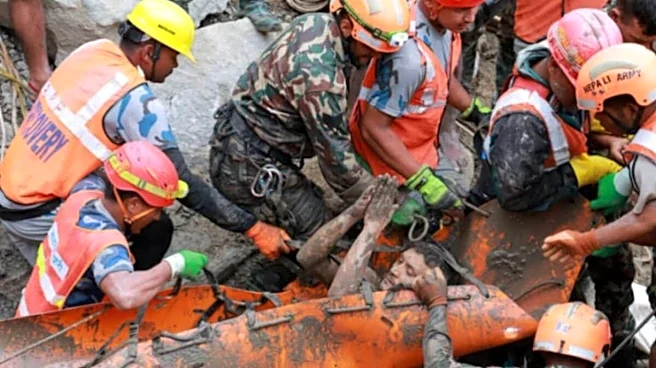
Two workers were rescued alive from a hydropower tunnel in Nepal more than a week after the flooding. The survivors, identified as Sanjaya Shah and Kabir Maharjan, were pulled alive from the Trishuli 3A Hydropower Project after being trapped underground for nine days. They were taken to hospital following the rescue.
Nepal Army Colonel Jhabindra Reshmi said rescue efforts were continuing but that mud and rocks were making it difficult for teams to enter the tunnels. Rescuers have been clearing debris and dealing with water inside the underground passages as they try to reach people who may still be alive.
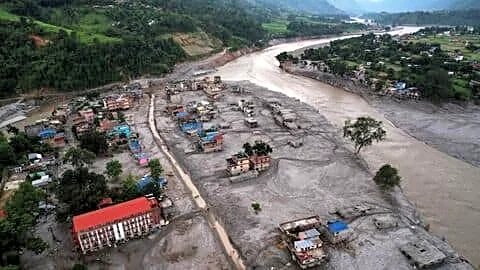
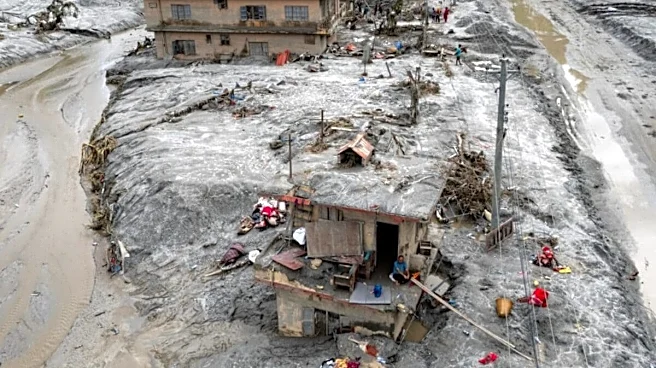
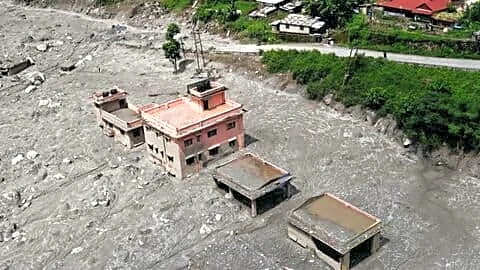
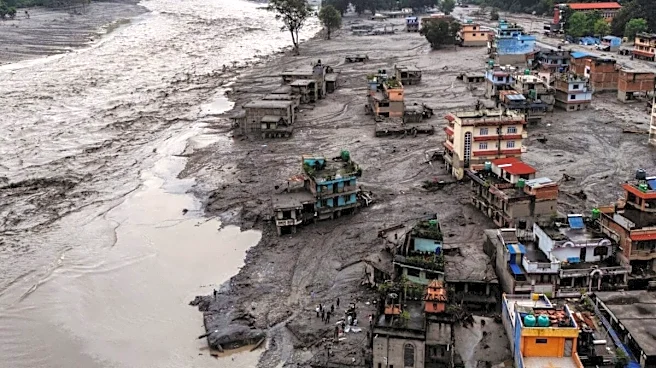
The disaster began on August 26 after what authorities believe was a glacial collapse near the Nepal-Tibet border. A huge surge of water, ice, rocks and mud entered the river system and swept downstream through valleys in Nepal and Tibet. Homes, roads, bridges and hydropower infrastructure were destroyed, leaving thousands of people missing. The Trishuli River valley was among the worst-hit areas, with hydropower projects severely affected by the floods and landslides.
India has continued its relief efforts, with its fifth aid flight leaving for Nepal carrying an 11-member rescue team, specialised equipment and 5.5 tonnes of medical supplies. Indian teams are assisting with rescue and relief operations as authorities in Nepal continue searching for survivors and recovering bodies from the affected areas.
/images/ppid_59c68470-image-178845010575726563.webp)