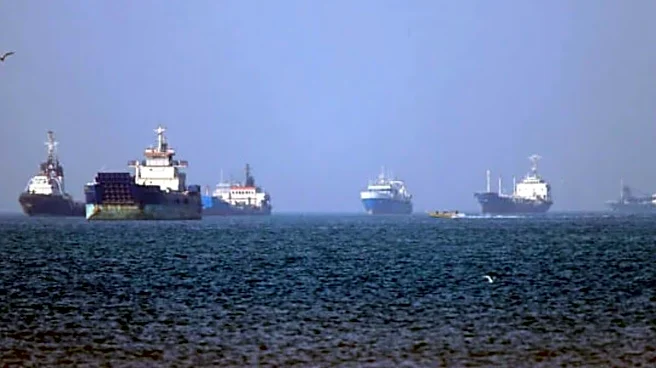




Some 1,500 vessels with almost 20,000 crew members are presently stranded in the Gulf due to the continuing dispute associated with Iran and the blockage of the Strait of Hormuz, as reported by the Maritime Department of the United Nations.
The head of the International Maritime Organization (IMO), Arsenio Dominguez, disclosed the statistics while delivering remarks at the Maritime Convention of the Americas in Panama on May 8. According to him, the seafarers who are stranded in the area are “innocent individuals.”
As per Dominguez, over 30 acts of violence against commercial ships have occurred in the region since the outbreak of the dispute this year. At least 10 seafarers have lost their lives in the violent incidents.
The Strait of Hormuz is
situated between Iran and Oman and one of the most crucial maritime routes globally. Prior to the dispute, approximately one-fifth of all oil and gas supplies across the globe traveled through the strategic channel on a daily basis.
Iran imposed restrictions on the movement of ships through the strait after the tension in the region heightened because of military cooperation between the US and Israel at the beginning of the year. Shipping companies around the world subsequently cut down or halted their activities in the region after missile strikes, drones, and naval forces attacked many of the commercial ships. (Wikipedia)
The situation has posed a significant threat to the global economy and energy resources as shipping transports over 80 percent of the items used worldwide.
Bahrain, Singapore, Japan, and the UAE are some of the nations that have recommended establishing a safe passage through which ships can move out of the Gulf region. The initiative has been discussed by the International Maritime Organization (IMO) in London during the first months of this year.
Despite the current peace talks between Washington and Tehran, the passage of ships through the Strait of Hormuz continues to be greatly limited. Ship analysis firms have pointed out that many firms prefer to avoid the area due to security and safety reasons as well as due to uncertainties regarding Iran’s conditions for passage through the strait.
The ongoing tension has resulted in rapid price hikes in crude oil across the globe, as well as in the concern over the safety of shipping personnel. Maritime experts have noted that despite the complete opening of the strait, the recovery process may require several weeks or months.