
/images/ppid_59c68470-image-17896650884977305.webp)
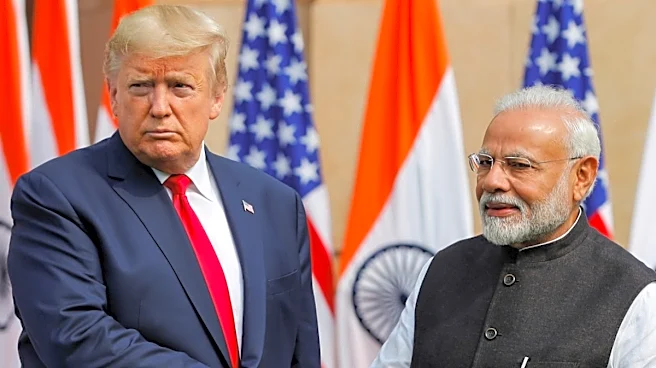
The US House of Representatives has advanced a bill that could give President Donald Trump the power to impose tariffs of up to 100% on countries buying Russian oil and gas, putting India among those that could face the duties.
The Lindsey O. Graham Sanctioning Russia and Iran Act of 2026 cleared a key procedural hurdle on Tuesday evening, September 15, after two Democrats broke ranks with their party to vote with Republicans. The measure advanced by 214-211, setting up a final House vote on Wednesday.
The Senate passed the legislation last month by 86-11.
India Named In House Amendment
An amendment introduced by Democratic Representative Steny Hoyer would specifically name India and nine other countries as eligible for tariffs of up to 100% under the bill’s secondary tariff provisions.
The list includes China, Türkiye, Azerbaijan, Hungary, Slovakia, the UAE, Singapore, Kazakhstan and Kyrgyzstan.
The amendment would not automatically impose a 100% tariff on India. Instead, it would make India eligible for such duties if the bill becomes law and Trump chooses to use the authority.
India has remained a major buyer of Russian crude, particularly since the Ukraine war led Moscow to offer oil at discounted prices.
Bill Gives Trump Broad Tariff Powers
The legislation seeks to increase pressure on Russia by targeting its leadership, energy sector and vessels involved in sanctions evasion. It would also give the US president broad powers to impose tariffs on major purchasers of Russian energy.
The Senate-passed version did not specifically name individual countries. It instead referred to the five largest importers of Russian oil and gas by volume.
Another House amendment, backed by Democratic Representative Gregory Meeks and other lawmakers, seeks to remove the provision granting the president broad secondary tariff authority.
The bill must clear the House before it can be sent to Trump for his signature.
The House has only a limited number of working days before an early recess ahead of the November 3 midterm elections.
The final provisions affecting India will depend on the amendments adopted during the House process and subsequent legislative action.
(With inputs from agencies)





/images/ppid_59c68470-image-178979752783376009.webp)