


/images/ppid_a911dc6a-image-17847325319901876.webp)
The Union government on Wednesday reversed the blocking of the Cockroach Janata Party’s (CJP) Instagram account after advising the concerned law enforcement agency that action should be limited to specific posts or URLs instead of the entire account.
The account had initially been blocked following a request from a law enforcement agency.
“The account was initially blocked based on a request from a law enforcement agency. However, it was advised that while URL- or specific content-level blocking was permissible, account-level blocking was not desirable. The decision was therefore reversed,” Moneycontrol reported, citing one of the people, requesting anonymity.
The clarification comes amid heightened scrutiny of social media activity linked to the
CJP protests in Delhi.
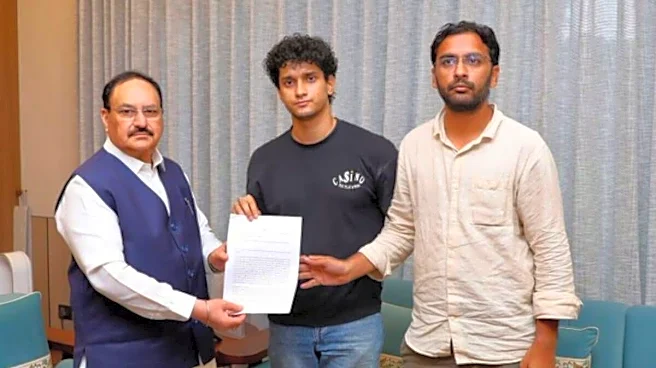
On the evening of July 22, CJP founder Abhijeet Dipke shared a screenshot on Instagram claiming that the party’s official account had been blocked. The account was restored shortly afterwards, Moneycontrol reported.
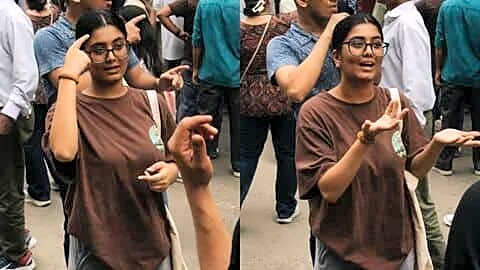
The development follows the CJP’s “Chalo Sansad” march held on July 20 to coincide with the start of Parliament’s Monsoon Session.
The movement, launched following allegations of examination paper leaks and recruitment irregularities, had called for a march from Jantar Mantar to Parliament, demanding education reforms and the resignation of Union Education Minister Dharmendra Pradhan.
Delhi Police had denied permission for the march and imposed prohibitory orders in the area. As protesters attempted to march towards Parliament Street, police used lathi charges and tear gas to disperse the crowd.
The Instagram episode comes after another moderation-related case involving the CJP. Earlier this month, the Delhi High Court directed the restoration of the party’s X account after it had been blocked on the directions of government authorities.
Under Section 69A of the Information Technology Act, the Union government can direct intermediaries to block access to specific online content on grounds including public order and national security.
Authorities can also invoke Section 79(3)(b) of the Information Technology Act to require intermediaries to remove or disable access to specific content.
Such requests are generally processed through the Ministry of Electronics and Information Technology (MeitY), while law enforcement agencies may seek action against specific content as part of ongoing investigations. Emergency blocking powers are also available under the Information Technology (Intermediary Guidelines and Digital Media Ethics Code) Rules, 2021.

/images/ppid_a911dc6a-image-178489783250753543.webp)

/images/ppid_a911dc6a-image-178491565162129634.webp)
/images/ppid_a911dc6a-image-178498192056661457.webp)
/images/ppid_a911dc6a-image-178473627125330020.webp)