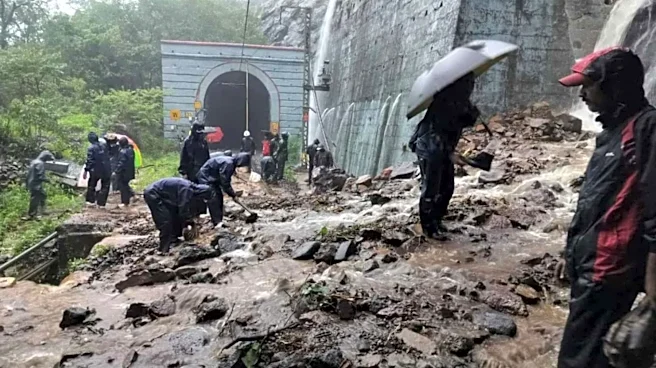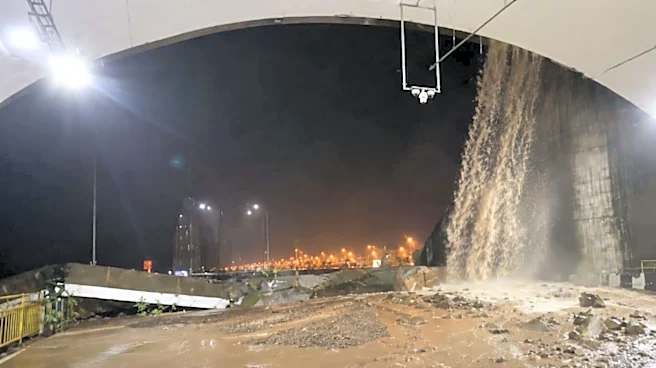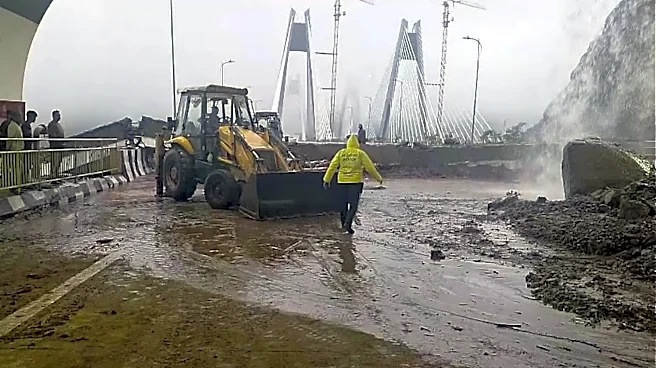



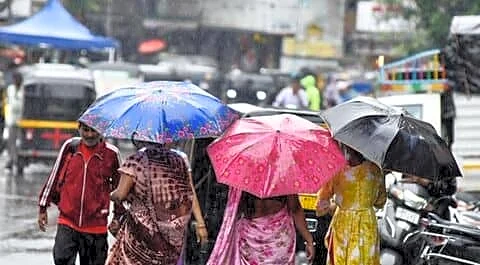


The popular hill station of Lonavala in Maharashtra’s Pune district recorded a historic and unprecedented 1,290 mm of rainfall in 48 hours between July 5 and July 7.
Climate scientists have classified the deluge — 670 mm on July 5, followed by 620 mm on July 6 — as a rare 1-in-1,000-year and 1-in-500-year extreme weather event, respectively.
LONAVALA RAIN: WHAT CAUSED IT?
Lonavalaexperienced historic, catastrophic rainfall due to a “perfect storm” of hyper-concentrated meteorological forces, headlined by exceptionally strong south-westerly monsoon winds striking the steep western face of the Sahyadri mountain range. This forced moisture-laden air from the Arabian Sea to rise rapidly, causing massive and relentless orographic (mountain-induced) rainfall. This historic deluge
is classified as an extraordinarily rare 1-in-1,000-year weather event. In just 48 hours, Lonavala was battered by a staggering 1,290 mm of rain—measuring 670 mm on July 5 and 620 mm on July 6—obliterating its previous historical records, say experts. The severe downpour was driven by three main geographical and meteorological factors: The Orocopy Lift Effect: Heavy south-westerly windsrammed into the steep Western Ghats. The vertical wall of mountains acted like a ramp, rapidly lifting massive volumes of ocean moisture into colder atmospheric zones, triggering continuous, localised cloudburst-like rain.
Strengthened Offshore Troughs: Low-pressure systems moving inland from the Bay of Bengal supercharged the monsoon winds over the Arabian Sea. This funneled a continuous, dense corridor of water vapor directly into coastal Maharashtra.
Sluggish Weather Systems: The storm system stalled directly over the Bhor Ghat region. Instead of passing through, the moisture-heavy clouds remained anchored over Lonavala, dumping a vast amount of water over the same area for 48 hours straight.
LONAVALA RAIN: WHY THIS IS SUCH A RARE EVENT
According to meteorologists from the India Meteorological Department (IMD), this amount of rainfall is a “once-in-a-lifetime” phenomenon for several reasons:
- Statistically Near-Impossible Probability: A 24-hour rainfall total exceeding 650 mm has a 0.1% mathematical chance of occurring in Lonavala on any given day. For context, Lonavala’s 24-hour downpour singlehandedly exceeded the entire annual average rainfall of London.
- Shattered Century-Old History: The previous all-time 48-hour record for the region was set over 70 years ago in August 1953, when it received 882 mm of rain. The current event surpassed that record by over 400 mm.
- The Climate Change Shift: Climate scientists point out that a rapidly warming Arabian Sea is rewriting regional weather patterns. Warmer air holds significantly more moisture, shifting the standard monsoon away from steady, seasonal showers to volatile, hyper-concentrated atmospheric dumps.
LONAVALA RAIN: THE IMPACT
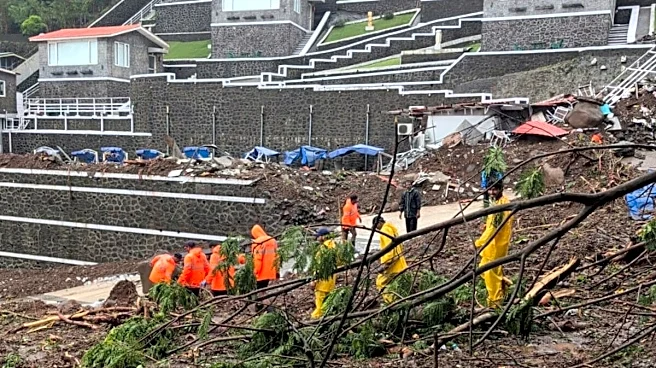
The extreme rainfall caused widespread flooding in town and triggered more than 22 major landslides across the district, paralysing transit on the vital Mumbai-Pune Expressway.
Landslides claimed at least four lives in the region, including three members of a family in Patan village and a security guard at a resort near Khandala.
Severe waterlogging and landslidestriggered major disruptions across the Mumbai-Pune Expressway, the Old Mumbai-Pune Highway, and vital rail networks.
The Central Railway was forced to cancel 27 trains and divert 57 others due to multiple landslides in the Karjat-Lonavala Ghat section.
Rescue teams, including local authorities and disaster response forces, deployed inflatable boats to evacuate dozens of stranded locals and foreign tourists from heavily flooded residential pockets like HUDCO Colony.
Power supply to Lonavala town was entirely severed for nearly 15 hours after high winds and heavy downpours uprooted trees onto major power lines.
The torrential rainfall caused catchment levels at the critical Pavana Dam to spike significantly, raising its live storage capacity by nearly 5% in a single day to hit roughly 60% capacity.
TRAVEL ADVISORY FOR LONAVALA
The India Meteorological Department (IMD) has sustained warnings for extremely heavy rainfallover the Western Ghats. Local administrations have instituted strict temporary bans on visiting waterfalls, rivers, and high-risk trekking spots around Lonavala and Khandala. Travellers are urged to avoid all non-essential road and rail travel through the ghat stretches until weather conditions stabilise.
With agency inputs