
/images/ppid_a911dc6a-image-177673086420933641.webp)
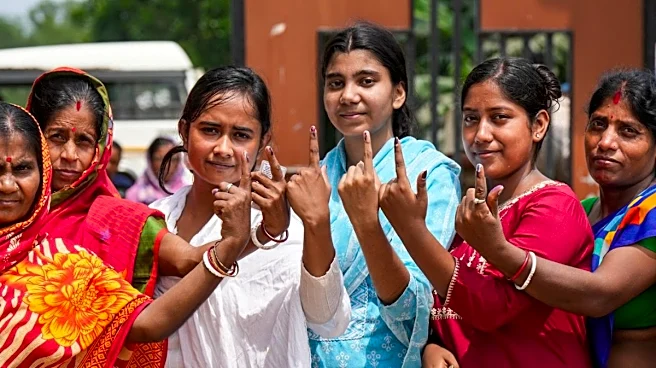
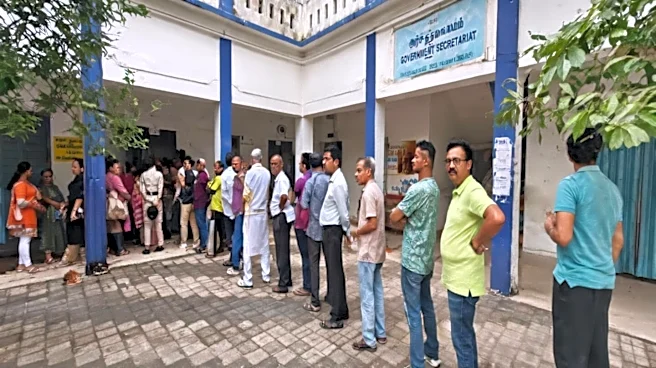
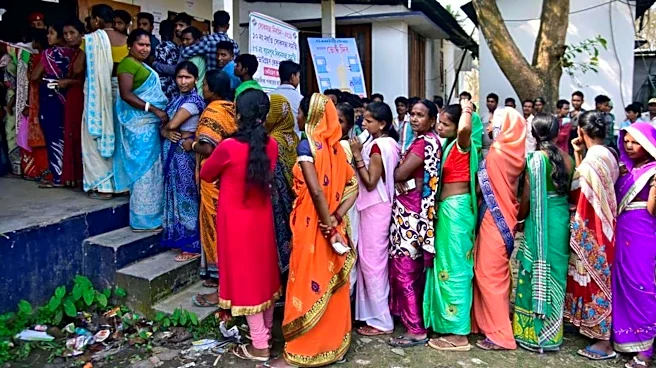
West Bengal has voted in large numbers before; in fact, the state is known for a high percentage turnout. It has seen charged elections, high-voltage campaigns, and intense political mobilisation. But a 92% turnout, till the last update in the 2026 assembly election, is something else entirely. It is not just historic; it is disruptive.
When participation rises by almost 10 percentage points or more over the highest turnout in a decade, it stops being a routine democratic marker and begins to signal a shift in the political undercurrent. This is not enthusiasm alone. It is not even just mobilisation. It is something sharper, more deliberate, and disruptive in nature, said political experts based in West Bengal.
For context, in constituencies like
Samserganj and Raghunathganj, turnout has climbed to an extraordinary 95 to 96%. These are Muslim-majority seats, with over 80% of the population belonging to the community, and these seats have seen high numbers of deletions under the Special Intensive Revision (SIR). Numbers at this scale do not emerge casually; they indicate near-total participation, where voting is no longer an individual act but a collective assertion. And that is where this election begins to diverge from the familiar pattern.
For decades, Bengal’s high turnout has been explained by strong party machinery, cadre networks, booth management, and relentless last-mile mobilisation. That explanation feels insufficient this time because what the state is witnessing on Thursday is not just organisation at work, but emotion in motion—a convergence of anxiety, identity, and intent.
An Urge To Be Counted
At the heart of this surge lies a quiet but powerful trigger. It is none other than the Special Intensive Revision (SIR) of electoral rolls by the Election Commission of India (ECI). On paper, it is a procedural exercise. On the ground, it has created a lingering question in the minds of voters—“Am I on the list, and will I remain there?”
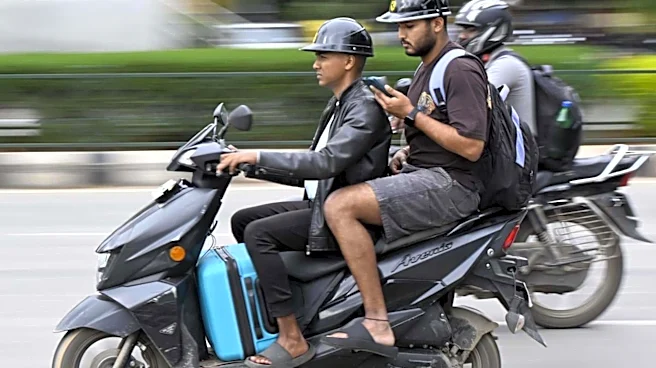
In regions with fluid demographics and histories of migration, that uncertainty is enough to transform behaviour. Voting becomes defensive. It becomes necessary. Bengali migrants literally moved mountains to reach their villages; they took trains and buses and set out for home.
Layered onto this is the psychological aftereffect of debates around the Citizenship Amendment Act and the National Register of Citizens. Even without immediate implementation, these frameworks have reshaped political consciousness, especially in border districts. The act of voting, in such a context, acquires symbolic weight; it becomes a way of asserting belonging.
“Traditionally, high turnout always means an anti-establishment vote. However, this is not just a high turnout. It seems like a pushback. Voters are not just participating; they are asserting their presence and recalibrating the political equation,” Abdul Matin, a Jadavpur University professor and a political analyst, told News18.
“That pushback is visible in the sheer scale of participation. When turnout approaches 96% in Muslim-majority seats, it reflects something deeper than mobilisation. It signals a community-level response to perceived vulnerability. Trinamool Congress carried out this whisper campaign that if villagers do not vote for Didi, they may lose their citizenship. Mamata Banerjee continued to repeat this statement in every speech. And she is a master of election engineering,” he added.
Beyond Numbers
There is another layer to this story, and it is the movement of people. Across districts, there are visible signs of migrants returning home ahead of polling. But this is not just seasonal or logistical.
It is intentional. Economic migration may have taken them to cities, but politically, they remain rooted. Their return is not just to vote, but to be seen voting. In that sense, the ballot becomes both participation and protest.
Does this translate into a wave? Not necessarily. High turnout does not automatically predict outcomes. But it does something equally significant—it reshapes the terrain. It compresses margins, intensifies polarisation, and reduces the margin for complacency. Most importantly, it alters the meaning of the election itself.
“This looks like emotional polling to me. Voters voted here with emotions, in a sense connected to their identity. The voting was largely by the rural population in the first phase. They have existential or survival concerns, and it is about their citizenship,” said Sayanthan Ghosh, a professor at St Xavier’s College and an author.
“A large section of the population witnessed genuine votes being deleted, too. In some constituencies, like Suti in Murshidabad, voters arrived at booths wearing black badges protesting against the SIR. Analysing the reasons and the numbers, it seems like pro-incumbent voting. Both sides reached out to migrant voters and asked them to come back to save their citizenship,” he added.
This is no longer just about which party mobilised better or managed booths more efficiently. It is about why such an overwhelming number of people felt compelled to step out in the first place. Because when an election begins to feel existential, and when identity, inclusion, and political agency intersect, turnout stops being a statistic. It becomes a signal, Ghosh further added.

/images/ppid_a911dc6a-image-177694663494934996.webp)


/images/ppid_a911dc6a-image-177690244197619046.webp)
/images/ppid_a911dc6a-image-177686350782067535.webp)
/images/ppid_a911dc6a-image-177694668149264354.webp)
/images/ppid_a911dc6a-image-177685310521426067.webp)