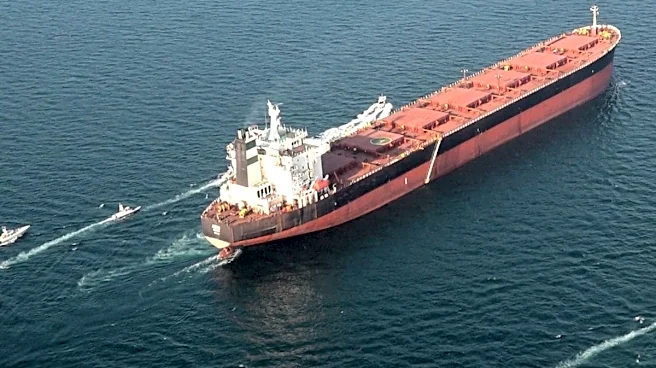




The Iran war is beginning to squeeze global shipping networks and the effects may soon be felt far beyond oil markets including by ordinary consumers in countries like India, where imported goods, fuel-linked transport and supply chains are deeply tied to maritime trade.
At the centre of the disruption is the Strait of Hormuz, one of the world’s most critical shipping chokepoints. The conflict and resulting instability in the region have disrupted supplies of bunker fuel- the heavy petroleum product that powers most cargo ships moving goods across the world.
Read more: Hosting BRICS, Touring UAE & Europe, Pitching WFH: MEA Outlines India’s Multi-Front Diplomatic And Domestic Playbook
Why This Matters For Indian Consumers
Nearly 80% of global trade
by volume moves by sea. Everything from electronics and machinery to edible oils, chemicals and consumer products depends on shipping routes that pass through West Asia. India, which imports a large share of its crude oil and depends heavily on maritime trade routes, is especially exposed to disruptions in the region.
As fuel costs rise for shipping companies, those costs may eventually be passed down the chain- first to importers and businesses, and then to consumers through higher prices.
What Exactly Is Bunker Fuel?
Bunker fuel is a thick, low-grade fuel derived during the oil refining process. Though dirtier than petrol or aviation fuel, it remains the backbone of the global shipping industry because it powers large cargo vessels. The problem is that many Asian shipping hubs, especially Singapore- the world’s biggest refuelling centre for ships- rely heavily on crude supplies from the Middle East to produce bunker fuel. With the Iran conflict disrupting movement through the Strait of Hormuz, supplies of the heavier crude needed for bunker fuel are tightening rapidly.
Read more: No Approval, No Take-Off: Maharashtra’s New Aircraft Rule For Ministers After PM Modi’s Call
Shipping Companies Under Pressure
Shipping firms are now dealing with sharply rising fuel prices and growing uncertainty over supply availability. Before the conflict, bunker fuel in Singapore was priced at around $500 per metric tonne. By early May, prices had surged past $800 per metric tonne, according to industry estimates. To cope, shipping operators are slowing vessels, revising schedules and reducing fuel consumption wherever possible.
What Will Get Costlier?
Your online orders and imports may get costlier as higher shipping costs do not stay confined to shipping companies for long. When maritime transport becomes expensive, import costs rise, logistics expenses increase, delivery timelines stretch and businesses often transfer those costs to consumers.
For India, this could affect prices of imported electronics, industrial components, luxury goods, chemicals and even some food products dependent on overseas shipping. The impact may initially appear gradual but disruptions across multiple supply chains can compound quickly.







/images/ppid_59c68470-image-177861503236442581.webp)