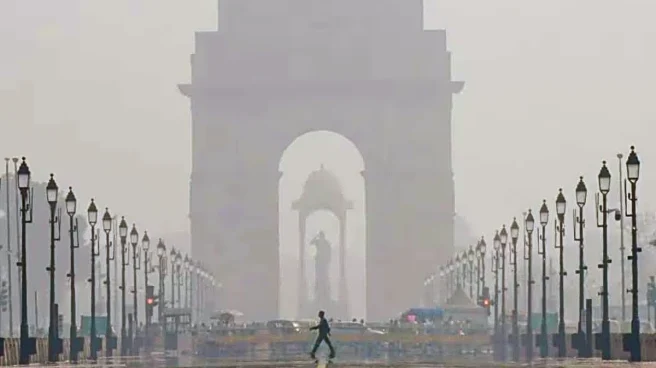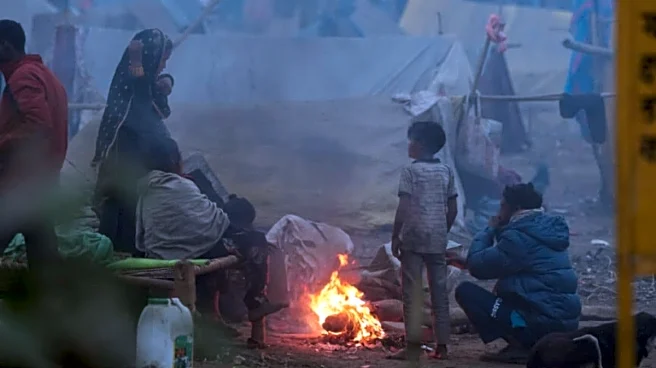

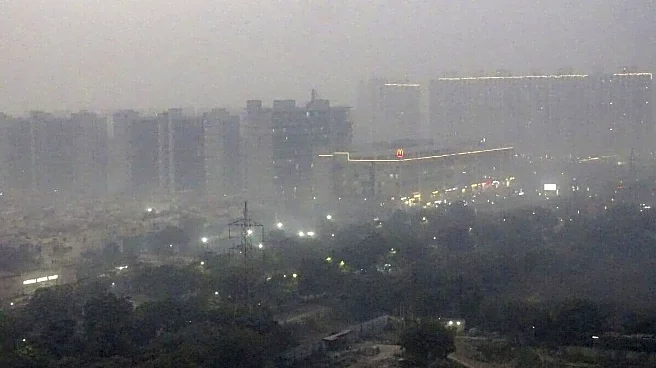
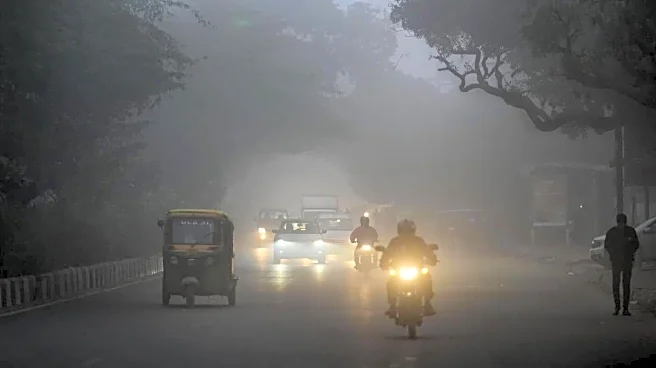
Delhi continued to experience hazardous air quality on Wednesday, as a dense layer of smog enveloped large parts of the city.
According to data from the Central Pollution Control Board (CPCB), the Air Quality
Index (AQI) around the ITO area was recorded at 374, placing it in the ‘very poor’ category.
Similar conditions were observed near India Gate, where the AQI stood at 354, also classified as ‘very poor’.
Meanwhile, Republic Day parade rehearsals continued at India Gate, with performers and organisers having to contend with the thick smog.
The Commission for Air Quality Management (CAQM) has activated all measures under the Graded Response Action Plan (GRAP) Stage-IV across Delhi-NCR, as authorities work to contain the escalating pollution levels.
These measures include restrictions on certain industrial and vehicular activities to reduce emissions and mitigate public health risks associated with prolonged exposure to toxic air.
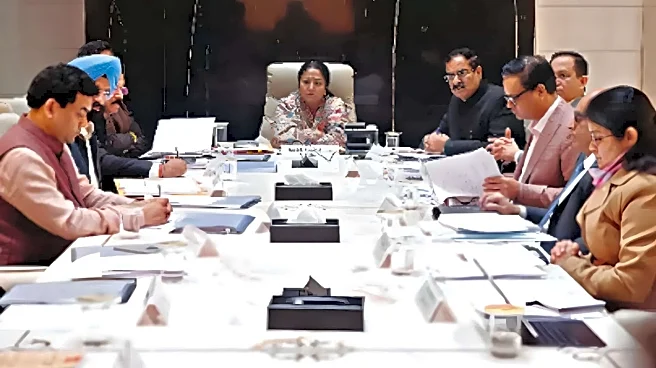
In parallel with these emergency measures, the Delhi Cabinet, led by Chief Minister Rekha Gupta, approved a series of steps aimed at strengthening the city’s environmental governance.
Announcing the decisions, Environment Minister Manjinder Singh Sirsa stated that the initiatives are expected to “bring a decisive reduction in sources of air and water pollution, while creating a cleaner, more sustainable urban environment.”
A significant portion of the Cabinet’s plan involves the rejuvenation of Delhi’s water bodies, with an allocation of Rs 100 crore dedicated to the project.
Out of roughly 1,000 water bodies in the capital, 160 fall under the jurisdiction of the Delhi Government. Minister Sirsa emphasised that restoring these water bodies will play a critical role in controlling pollution levels and improving the city’s overall environment.
He added that the Chief Minister has directed authorities to provide all necessary financial support to ensure that the work is completed within the current year.
The deterioration in air quality coincides with harsh winter weather in northern India, which has further complicated the situation.
Authorities have urged residents to limit outdoor activities, wear protective masks, and monitor AQI updates as the capital continues to face extremely poor air quality.
The combined impact of toxic smog and winter weather is expected to persist over the coming days, highlighting the urgent need for both immediate measures and long-term solutions to tackle Delhi’s pollution crisis.
Dense fog and cold wave conditions have been reported in several regions.
The India Meteorological Department (IMD) issued an orange alert for Ambala and Moradabad in Haryana, with minimum temperatures expected to hover around 11°C.
In Uttar Pradesh, cities including Ayodhya and Kanpur experienced thick fog, with the IMD issuing yellow alerts, forecasting minimum temperatures around 10 to 11°C.
ALSO READ | Delhi Shrouded In Thick Fog; IGI Airport, SpiceJet, IndiGo Issue Advisory As Flights Face Delays



/images/ppid_a911dc6a-image-176629182987842485.webp)


/images/ppid_59c68470-image-176637253543729606.webp)

/images/ppid_a911dc6a-image-176646606560937989.webp)