
/images/ppid_59c68470-image-177969252850089626.webp)

More than 50 days after a fragile US-brokered ceasefire came into effect on April 8, 2026, efforts to secure a permanent peace agreement between the United States and Iran remain stuck in a high-stakes diplomatic deadlock.
While indirect negotiations continue quietly in Qatar, Washington and Tehran have simultaneously escalated their public rhetoric through press briefings, television appearances, and social media statements.
At the centre of the impasse are five major disputes that continue to block a final agreement aimed at ending hostilities and reopening the strategically vital Strait of Hormuz.
1. The Nuclear Standoff: Uranium Enrichment
Iran’senriched uranium stockpile remains one of the biggest obstacles in the negotiations. US President
Donald Trump recently stated that Iran’s highly enriched uranium — which he described as “nuclear dust” — must either be handed over to the United States for destruction or dismantled inside Iran under strict international supervision.
The proposal marks a noticeable shift from earlier US demands, which called for the complete removal of all nuclear material from Iranian territory. Analysts believe Washington’s willingness to consider monitored in-country destruction signals a softer negotiating position.
However, Iranian officials continue to reject any compromise on enrichment rights.
Ebrahim Azizi said Tehran would not retreat from its “red lines,” including what he described as Iran’s “inalienable right” to enrich uranium.
“It is obvious Trump, seeking a way out of this strategic deadlock, alternates between issuing threats and appealing for an agreement,” Azizi said.
Also Read | ‘Trump Seeking A Way Out’: Iran Refuses To Budge On Uranium, Hormuz And Sanctions Relief
2. The Strait Of Hormuz Control
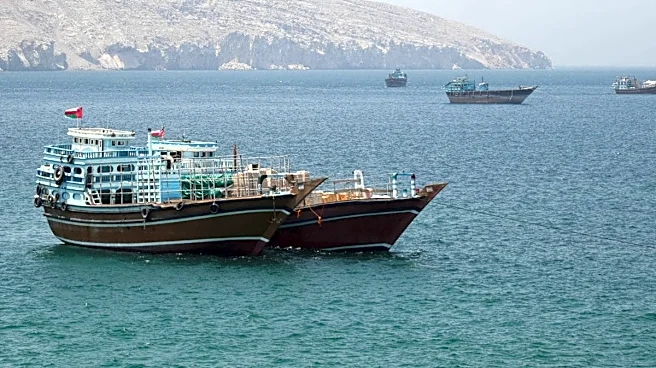
Control and security arrangements in the Strait of Hormuz have emerged as another major sticking point.
Iran’s state media previously aired details of a proposed framework under which Iran and Oman would jointly oversee maritime traffic and tolling operations through the corridor, leveraging Oman’s strategic geographic position near the strait.
The White House swiftly rejected the report, calling it a “total fabrication.” Trump later reiterated that the Strait of Hormuz would be free from any control under any future agreement.
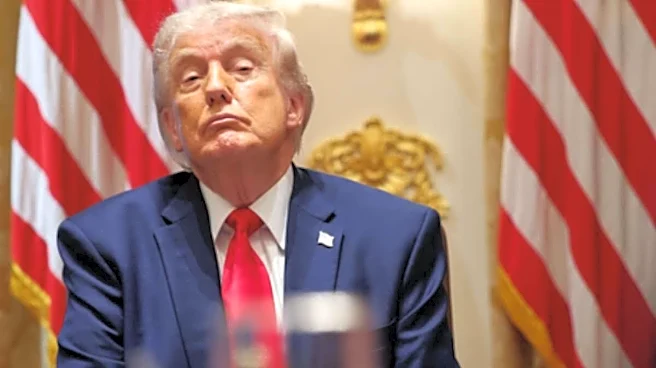
“Nobody’s going to control it,” Trump said during a Cabinet meeting, making clear that Washington opposes any form of regional sovereign oversight or transit fees in the shipping corridor.
3. The Dispute Over Iran’s Frozen Assets
Tehran has also adopted a hardline position on the issue of frozen Iranian assets held abroad.
According to reports carried by Iran’s semi-official Tasnim news agency, Iranian negotiators are demanding access to nearly $24 billion in frozen funds before meaningful diplomatic progress can occur. Tehran reportedly wants at least part of the money released during the early stages of negotiations.
Trump, however, rejected the idea of releasing funds before a comprehensive agreement is reached.
“We have control of money that they claim is theirs. We will keep control of that money. When they behave properly and do what’s right, we will let them have their money,” Trump said.
4. Sanctions Relief Remains A Major Obstacle
Closely linked to the frozen assets issue is the broader question of economic sanctions. Iran has demanded sweeping sanctions waivers that would allow it to resume unrestricted oil exports and reconnect fully with global financial markets.
But the Trump administration has refused to offer early economic relief, insisting that sanctions will remain in place until a final agreement is signed. “We’re not talking about any easing of sanctions or giving money,” Trump said. “No sanctions, no money, no nothing.”
5. Trump’s Abraham Accords Push
In one of the most unexpected developments in the negotiations, Trump has tied progress on a US-Iran peace agreement to a broader expansion of the Abraham Accords.
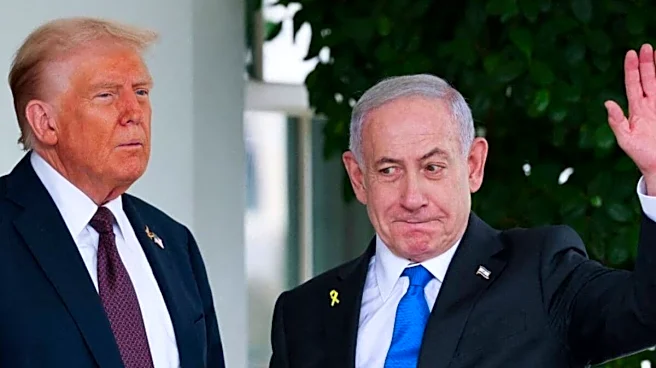
During a televised Cabinet briefing, Trump said several regional powers “owe it to us” to formally recognise Israel. He revealed that he had held discussions with leaders from Saudi Arabia, the UAE, Qatar, Pakistan, Turkey, Egypt, Jordan, Bahrain, and Israeli Prime Minister Benjamin Netanyahu.
“I’m not sure we should make the deal if they don’t sign,” Trump warned, suggesting the US could walk away from the Iran truce effort altogether.
However, the proposal has faced strong resistance across the region. Pakistan, which has acted as an important backchannel mediator in the negotiations, publicly rejected the idea earlier this week.
Meanwhile, Saudi Crown Prince Mohammed bin Salman has maintained that Riyadh will not normalise ties with Israel without a “clear, credible, and irreversible path” toward Palestinian statehood — a condition many analysts say remains absent from Trump’s current diplomatic framework.
/images/ppid_59c68470-image-177989757327073571.webp)

/images/ppid_59c68470-image-177988253119231198.webp)
/images/ppid_59c68470-image-177981253323736959.webp)
/images/ppid_59c68470-image-177988753116639099.webp)

/images/ppid_59c68470-image-177968262471949677.webp)
/images/ppid_59c68470-image-177968002809333228.webp)