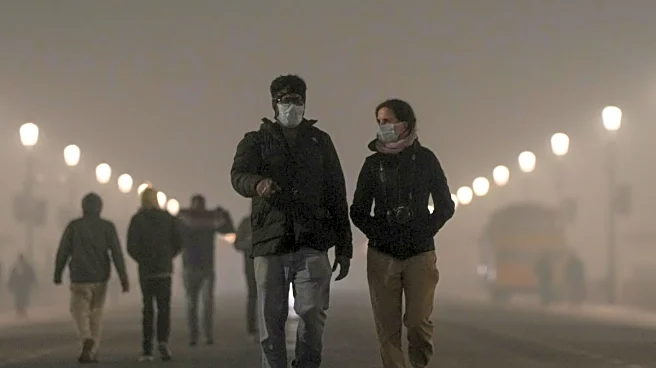

As air quality across Indian cities continues to deteriorate, the conversation around pollution is expanding beyond masks and visibility charts. What was once seen largely as a respiratory concern is now
being recognised as a complex, full-body health threat – one that affects not just the lungs and heart, but also the brain, emotional well-being, and daily functioning. Prolonged exposure to poor air quality is quietly reshaping how people breathe, think, sleep, and cope, making it one of the most pressing public health challenges as we move into a new year.
Why High-Risk Groups Must Be Extra Vigilant
Medical experts stress that declining air quality poses a disproportionate risk to certain populations. “With air quality continuing to decline, high-risk groups such as children, pregnant women, senior citizens, smokers, and those with asthma or chronic heart and lung conditions should take extra precautions,” says Dr. Hinal Shah, Consultant Biochemist, Global (Mumbai) Reference Lab at Agilus Diagnostics.
She advises limiting outdoor exposure during poor AQI days and wearing a certified N95 mask when stepping outside. According to Dr. Shah, symptoms such as persistent cough, chest tightness, breathlessness, palpitations, or increased inhaler use should never be brushed aside. Even subtle changes can signal early lung or cardiac stress.
The Role Of Preventive Testing In Early Detection
One of the most effective ways to reduce long-term damage from pollution exposure is early diagnosis. Dr. Shah highlights that simple preventive tests like spirometry, FeNO, pulse oximetry, and routine blood work can help detect early lung and heart stress. These assessments, often overlooked until symptoms worsen, can identify inflammation and oxygen imbalance before they escalate into serious complications.
“Early diagnosis and timely care significantly reduce the risk of serious complications,” she adds, underscoring the importance of proactive health monitoring rather than reactive treatment.
Air Pollution’s Silent Impact On Mental Health
While respiratory effects are widely discussed, mental health consequences remain largely under-recognised. Dr. Girishchandra B G, Medical Director and Senior Consultant, Maarga Mind Care, explains, “Air pollution must now be viewed not only as an environmental and respiratory crisis, but also as a significant and under-acknowledged mental health risk.”
He points to growing evidence linking prolonged exposure to fine particulate matter with neuro-inflammation, noting that pollution-driven systemic inflammation and oxidative stress can disrupt neurotransmitter pathways responsible for mood, attention, and sleep regulation. Clinically, this translates into rising cases of anxiety, low mood, cognitive fatigue, and insomnia during extended periods of poor air quality.
How Pollution Alters Daily Life And Emotional Resilience
Beyond biology, pollution reshapes behaviour and lifestyle in ways that quietly erode mental wellbeing. Dr. Girishchandra observes that persistent pollution alerts and reduced outdoor activity create a chronic stress environment. Children lose opportunities for free play, older adults restrict movement due to breathlessness fears, and working professionals report declining productivity and emotional exhaustion.
Over time, these patterns contribute to social withdrawal, heightened health anxiety, and a sense of helplessness, particularly in urban settings where clean-air days feel increasingly rare.
When Existing Conditions Get Worse
For individuals already living with mental health conditions, pollution can act as a powerful trigger. Dr. Girishchandra notes that patients with panic disorder may experience intensified episodes linked to breathlessness, while those with depression report deeper mood disturbances. Even individuals with psychotic or neurocognitive disorders may see worsening symptoms, reinforcing the need to factor environmental stressors into treatment planning.
Poor air quality is no longer a seasonal inconvenience. It is a persistent health risk affecting both physical and mental resilience. Protecting oneself requires more than staying indoors; it demands awareness, preventive care, and timely intervention. As pollution levels fluctuate, prioritising respiratory health, monitoring early warning signs, and acknowledging the psychological toll are essential steps toward safeguarding overall well-being in an increasingly polluted environment.



/images/ppid_a911dc6a-image-177092306157991736.webp)