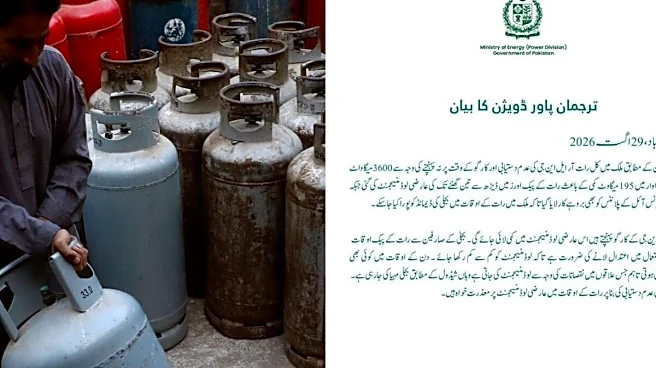




Pakistan is facing a shortage of liquefied natural gas (LNG), resulting in reduced power generation from LNG-based independent power producer (IPP) plants and nighttime load management across parts of the country. The LNG shortage has led to an estimated 3,600MW decline in power generation, with nighttime load shedding ranging between 1.5 and three hours. Power generation from the Mangla hydropower project has also fallen by around 195MW during peak hours, adding to pressure on the national grid. To meet nighttime electricity demand, furnace oil-based power plants have been brought into operation, according to the authorities. The Power Division said the situation is expected to ease following the arrival of an RLNG cargo, after which nighttime load management is expected to be reduced.
The ministry has urged consumers to limit electricity consumption during peak hours to help manage demand. The Power Division said there is no general load shedding during daytime hours across the country. However, high-loss feeders continue to operate under existing load-sheddingschedules.
PAKISTAN’S ENERGY CRISIS
Pakistan’s energy crisis is a deep-rooted, systemic challenge driven by a crippling combination of financial mismanagement, infrastructure inefficiencies, and a heavy reliance on expensive, imported fossil fuels like Liquified Natural Gas (LNG).
External shocks, such as Middle East geopolitics disrupting supply routes through the Strait of Hormuz, frequently expose the country to severe fuel shortages. This has triggered a national electricity shortfall exceeding 4,000 megawatts, resulting in pervasive, multi-hour blackouts or “load-shedding” across major hubs like Lahore and Karachi.
At the core of the sector’s financial collapse is a “circular debt” crisis—compounded by steep dollar-indexed capacity payments to Independent Power Producers (IPPs), systemic power theft, and massive grid transmission losses. Consequently, Pakistani households and businesses are trapped in a debilitating paradox: they face skyrocketing utility bills while simultaneously coping with highly unreliable power grids.



/images/ppid_59c68470-image-178809003796414678.webp)