

/images/ppid_a911dc6a-image-177739102496025411.webp)
/images/ppid_a911dc6a-image-177745402687362979.webp)
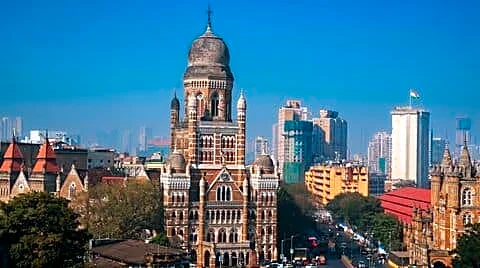
If you are new to Mumbai and looking to settle here, one of the first things you notice is how the city is constantly being rebuilt. Old buildings come down, towers go up, and entire neighbourhoods transform seemingly overnight. A new proposal by the Brihanmumbai Municipal Corporation — Mumbai’s civic body, commonly called the BMC — is about to accelerate that churn significantly, and it affects everything from the skyline you will look at to the lane your future home might sit on.
The BMC has proposed allowing high-rise construction on roads that are less than 9 metres wide — something that was not permitted until now.
While the amendment is set to make way for a redevelopment surge in Mumbai, altering the city’s skyline, it is also set to pose
a risk for accessibility of emergency vehicles during a crisis.
The proposal has been cleared by the BMC’s improvements committee and is now awaiting final approval from the state’s urban development department.
What Was The Old Rule, And Why Did It Exist?
Until now, Mumbai’s building regulations — officially called the Development Control and Promotion Regulation, or DCPR — drew a clear line at 9 metres.
Roads with a minimum 9-metre width are considered wide main roads, while anything narrower is identified as a lane or minor road.
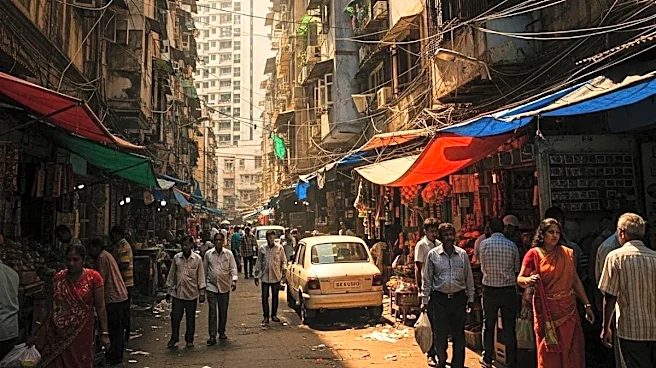
Construction of buildings with more than 10 floors was allowed only on main roads, while the BMC would permit buildings only up to 20 metres or 6-8 floors on roads less than 9 metres wide.
The logic was straightforward: the main reason behind this rule was to ensure that fire engines or ambulances would be able to enter the building’s compound in time of a crisis.
What Exactly Is Changing Now?
The new proposal does not simply throw the gates open — it introduces a tiered system based on road width. According to the Indian Express, here is how the new height limits break down:
• 3.6-metre-wide roads: Buildings up to 32 metres tall — roughly 10 floors
• 4.5-metre-wide roads: Up to 70 metres — about 21-23 storeys
• 6-metre-wide roads: Up to 120 metres — 31-32 floors
• Roads wider than 9 metres: No height cap at all
To put that in perspective, a 120-metre tower on a lane barely wide enough for two cars to pass each other is what this proposal makes possible.
Why Is The BMC Doing This?
The short answer: Mumbai’s old buildings are ageing faster than they can be redeveloped. The BMC’s data shows that 40,000 buildings in Mumbai are more than 70-80 years old, with many others averaging around 50 years.
Over time, many have deteriorated structurally, and redevelopment has been stalled because these structures are located on minor roads and lanes.
Builders taking up cluster redevelopment — where multiple old buildings are rebuilt together — often find they cannot get adequate permissions because the lanes those buildings sit on are too narrow under current rules.
As a result, redevelopment work of several buildings either gets stuck midway or does not take off at all. A BMC official was quoted by the Indian Express as saying that the amendment “will only make way for the overall ease of living for citizens.”
What Is The Safety Risk, And Should You Be Worried?
This is the part that experts are flagging. While speaking to IE, Abhishekh Awasthi, a real estate expert, warned: “During an emergency situation like fire, adequate space for emergency evacuation may not be available since the land parcel on which such tall buildings are being constructed are small in nature. These situations may create confusion and stampede-like situations during a crisis period.”
The BMC’s counter to this is a mandatory fire brigade clearance clause. Unless the Mumbai Fire Brigade carries out a full inspection, no NOC will be granted, and it is only on the basis of that NOC that final permissions are issued. Builders will also need to submit proper safety and evacuation plans before any project gets the green light.
What Does This Mean If You Are Planning To Buy Or Rent Here?
For someone new to Mumbai, this proposal signals two things. First, more housing supply is coming — particularly in older, central neighbourhoods where redevelopment was previously stuck. That could eventually ease prices in some pockets.
Second, if you are considering a home in a redeveloped building on a narrow lane, ask specifically about fire safety clearances and evacuation plans before you sign anything. The BMC’s safeguards exist on paper — verifying they have been followed in your specific building is your job as a buyer.