

/images/ppid_a911dc6a-image-177657236896341999.webp)
/images/ppid_a911dc6a-image-177657202414088643.webp)
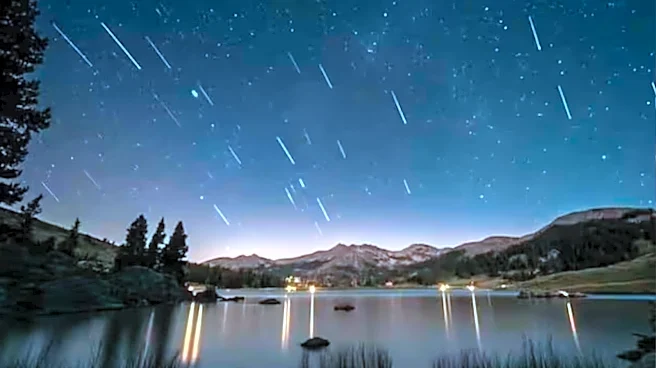
Lyrid Meteor Shower: As skywatchers on Earth look up to see looking up to see the Lyrid meteor shower, one NASA astronaut had the best seat in the house. Spectacular images taken from the International Space Station captured the 2026 Lyrid meteor shower in full display, showing bright meteors streaking across the darkness of space with the glowing curve of Earth below.
Read more: World’s 5 Fastest Cars In 2026: Hypercars So Quick They Redefine Speed
The breathtaking photographs were taken from the station’s cupola observation module, a panoramic dome used by astronauts for Earth viewing and space photography.
Rare Orbit View O Annual Meteor Shower The Lyrid meteor shower reaches peak activity every year around April 21 and 22, making this one of
the oldest and most watched annual sky events. This year’s peak coincided with the dramatic images taken from orbit, offering a unique perspective impossible from the ground.
Have you seen any shooting stars lately? We’re in the midst of the Lyrid Meteor shower, and I was lucky enough to photograph some from the @Space_Station cupola. The Lyrids are an annual event best viewed in the Northern Hemisphere by looking toward the constellation Lyra in the… pic.twitter.com/B2FqMdEuqs
— Jessica Meir (@Astro_Jessica) April 20, 2026
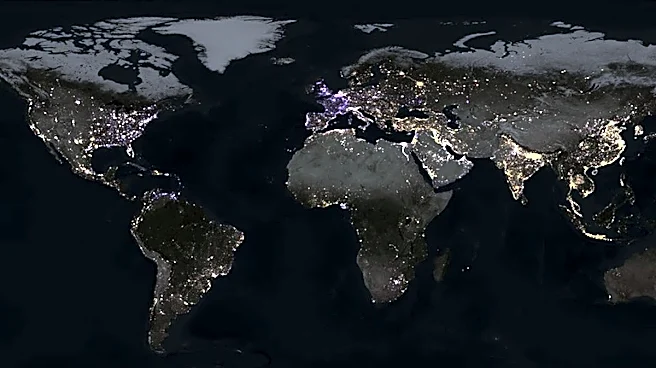
Using a three-second camera exposure, the astronaut captured city lights on Earth as glowing streaks while meteors appeared as sharp flashes beneath the horizon line.
What Causes Lyrid Meteor Shower?
The Lyrids occur when Earth passes through debris left behind by Comet Thatcher. As tiny dust particles enter Earth’s atmosphere at high speed, friction causes them to burn brightly, creating the shooting-star effect visible from the ground. The meteor shower appears to radiate from the constellation Lyra, which gives the annual event its name.
Read more:India’s Most Beautiful Railway Routes: 5 Scenic Train Journeys Every Traveller Should Experience
Best Time To Watch From Earth
The best chance to see the Lyrids is between late night and dawn on April 21 and 22. Clear skies and dark surroundings away from city lights improve visibility significantly. Rural areas generally offer the best conditions. During peak activity, viewers may spot several meteors per hour, with occasional brighter fireballs.
ISS May Also Be Visible
Observers on Earth may also catch a glimpse of the International Space Station itself as it passes overhead. The ISS appears as a bright, fast-moving object crossing the sky without blinking lights, making it distinct from aircraft.
Why Scientists Still Study Meteor Showers
Beyond their visual appeal, meteor showers help scientists study how Earth’s atmosphere interacts with material from space. Photographs from orbit also provide valuable data and a fresh angle on events usually seen only from the ground.




/images/ppid_a911dc6a-image-177666306959219645.webp)

/images/ppid_a911dc6a-image-17765965272205158.webp)
/images/ppid_a911dc6a-image-177659512296140917.webp)
/images/ppid_a911dc6a-image-17766212304748345.webp)