



Health authorities across several countries are racing to trace and contain an outbreak of hantavirus after the World Health Organization stated that eight confirmed infections had been identified among people connected to the Dutch-flagged cruise ship MV Hondius, currently sailing in the Atlantic Ocean toward the Spanish Canary Islands.
Dr Sarath Chandra Bhrungi, Consultant Interventional Pulmonologist, Gleneagles Aware Hospital, L.B. Nagar, shares everything you need to know.
The first alert came from the United Kingdom on 02 May 2026, which notified the WHO under the International Health Regulations (IHR) about the outbreak after passengers aboard the vessel developed severe respiratory illness during the trip from Argentina to Cabo Verde.
What is Hantavirus?
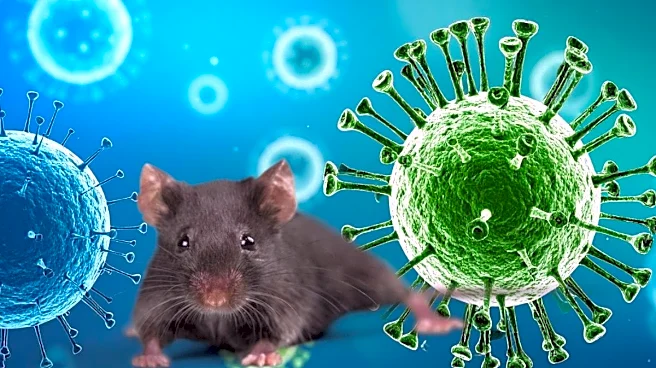
Hantaviruses are a group of viruses that people usually contract through exposure to particles or dust contaminated by infected rodents such as rats, mice, and voles. These viruses can cause serious illness, and symptoms depend on the specific type of hantavirus involved.
The Andes virus, which is linked to this outbreak, is a hantavirus primarily found in South America that can lead to a severe lung infection called Hantavirus Pulmonary Syndrome (HPS), which can worsen rapidly and become life-threatening.
How Does It Spread?
Hantavirus mainly spreads through inhalation of contaminated particles from the urine, faeces, or saliva of infected rodents.
Only one strain, Andes virus, the strain involved in this outbreak can spread from person to person. However, transmission occurs only in very specific situations involving close or prolonged contact with an infected individual.
Although hantavirus can be very dangerous for those infected, it does not pose the same widespread outbreak risk as SARS or COVID-19. Nevertheless, human-to-human transmission, though rare, requires careful monitoring.
How Did This Outbreak Start?
The current hypothesis is that at least one passenger was exposed to the Andes virus while spending time in Argentina or Chile, where the virus is endemic, before boarding the ship. The infected individual may subsequently have transmitted the virus to other passengers onboard.
What Are the Symptoms of Hantavirus?
The incubation period for hantavirus is usually between one and six weeks after exposure.
Early-Phase Symptoms
Symptoms may appear within one to three weeks and can include:
Fever
Fatigue and weakness
Severe muscle aches
Headaches
Nausea and vomiting
Abdominal pain
Dizziness
Sore throat
Late-Phase Symptoms
Late-phase symptoms may develop four to ten days after the initial symptoms and can include:
Cough
Chest tightness or pain
Shortness of breath or breathing difficulty
Fluid-filled lungs (pulmonary edema)
Severe cases may progress to respiratory failure, Acute Respiratory Distress Syndrome (ARDS), Hantavirus Pulmonary Syndrome (HPS), and renal failure.
Warning Signs: When to Seek Emergency Medical Care
Seek immediate medical attention if the following symptoms occur:
Rapid, shallow breathing
Low oxygen levels (SpO2 below 94%)
Confusion
Inability to stay awake
Bluish lips or face
How is Hantavirus Diagnosed?
Hantavirus can be diagnosed through:
RT-PCR testing, which detects viral RNA in the early stages
Serology tests (IgM/IgG ELISA), which detect antibodies to the infection
Why Does Early Diagnosis Matter?
Currently, there is no vaccine for hantavirus, and treatment primarily focuses on supportive care and symptom management.
Early testing, assessment, and timely clinical management are essential. Since symptoms are easier to manage during the early stages of the disease, seeking medical care as soon as possible can help prevent severe complications and improve outcomes.
How to Stay Safe and Prevent Hantavirus Transmission
Practice rodent control and reduce contact with rodents
Seal openings in homes and food storage areas
Use proper gloves and masks while cleaning rodent-infested spaces or droppings
Wear N95 masks and avoid close contact with individuals showing symptoms
Preventive measures are important not only for protecting yourself, but also your family, community, and environment.
Although the WHO has stated that the current outbreak is unlikely to lead to a COVID-19-like pandemic, collective efforts, social responsibility, and increased awareness can help prevent another major public health crisis.
/images/ppid_59c68470-image-177863503608917536.webp)





/images/ppid_59c68470-image-177863253949979319.webp)
/images/ppid_59c68470-image-177863003536489976.webp)