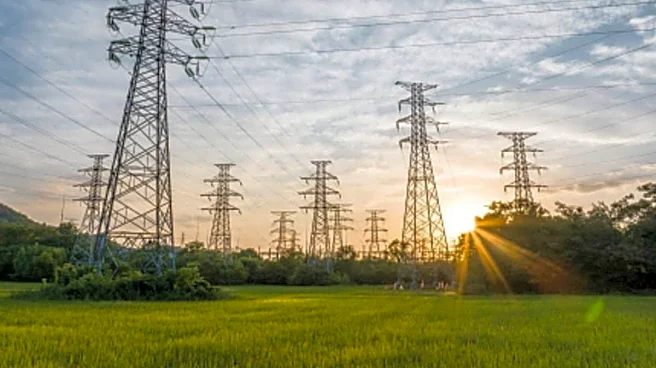




India’s national electrical grid is undergoing a quiet, digital revolution as power managers deploy cutting-edge artificial intelligence to combat the unpredictable nature of extreme weather. By integrating sophisticated machine-learning algorithms with real-time weather satellites, load dispatch centres can now predict the exact hour a severe rainstorm or thunderstorm will strike an urban centre. This predictive capability allows grid operators to proactively dial back power generation ahead of time, preventing massive, expensive energy waste, safeguarding critical transmission infrastructure, and ultimately stabilising electricity tariffs for millions of everyday consumers.
In a country where rapid urbanisation and intensifying climate volatility
create massive swings in electricity consumption, balancing supply and demand has traditionally been a high-stakes guessing game. When a massive storm front rolls into a mega-city like Delhi or Mumbai, temperatures can plummet by up to ten degrees Celsius in less than an hour. This sudden cooling triggers an immediate, synchronised shutdown of millions of air conditioning units across the metropolis, causing urban power demand to crash instantly by thousands of megawatts. Without AI intervention, this abrupt drop in consumption threatens to overload the transmission lines, risking catastrophic grid collapse or forcing operators to dump vast amounts of costly, pre-generated electricity.
The Mechanics of Predictive Load Management
To manage this extreme volatility, India’s state and national load dispatch centres are relying on advanced machine-learning models that process torrents of atmospheric data. These algorithms ingest high-resolution, real-time imagery from the Indian Space Research Organisation’s meteorological satellites, alongside local radar feeds, wind speed vectors, and humidity indices. By continuously analysing these complex environmental variables, the AI generates highly accurate forecasting matrices that plot the precise trajectory, intensity, and timing of incoming squall lines and rainstorms.
Once the system identifies a high-probability storm trajectory heading towards a major demand hub, it automatically calculates the projected drop in consumer demand. Instead of waiting for the storm to hit, grid managers use these insights to proactively throttle down generation at rapid-response power plants, particularly gas-fired facilities and hydro stations. Conversely, if the storm threatens localised solar installations with heavy cloud cover, the AI preemptively schedules backup thermal or wind power to smoothly cover the shortfall, ensuring a seamless energy transition that prevents destabilising voltage fluctuations.
Stabilising the Tariffs and the Green Frontier
The financial and environmental implications of this AI integration are profound. For decades, power distribution companies were forced to buy expensive emergency power or pay heavy penalties for grid imbalances caused by sudden weather shifts. By utilising machine learning to precisely match generation with storm-induced demand drops, the utility sector is eliminating the need for expensive, last-minute power purchases. These massive operational savings directly translate into stable, predictable electricity tariffs for commercial businesses and domestic households alike.
Furthermore, as India aggressively pursues its ambitious renewable energy goals, managing the inherent intermittency of solar and wind energy during the turbulent monsoon months has become paramount. Cloud dynamics and erratic rainfall patterns present a constant challenge to green energy stability. By transforming the national power grid into an intelligent, forecasting organism, India is proving that advanced technology can tame the elements, turning unpredictable weather from a systemic vulnerability into a precisely managed operational routine.
/images/ppid_a911dc6a-image-178026242987130870.webp)