
/images/ppid_a911dc6a-image-178115606390988149.webp)
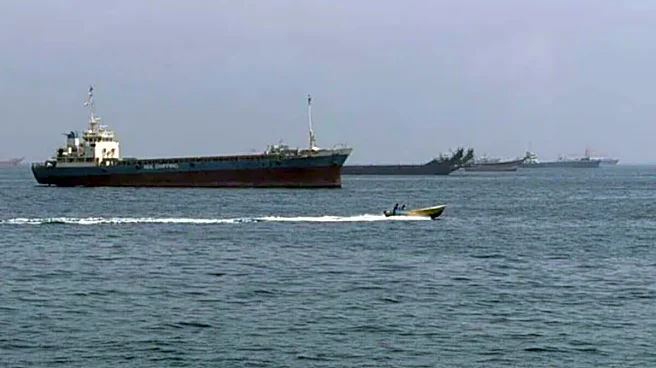
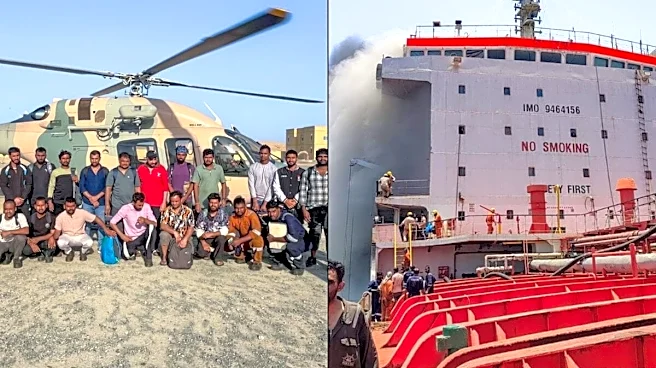


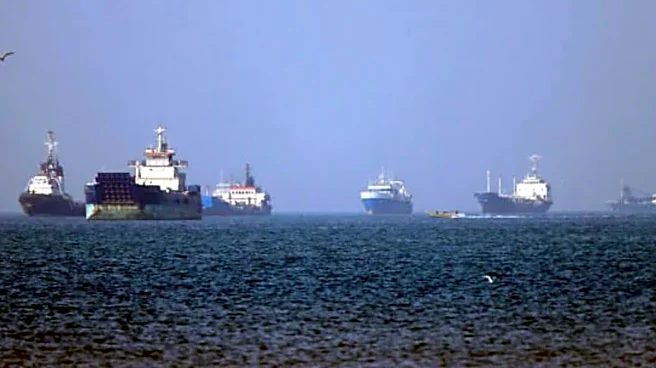
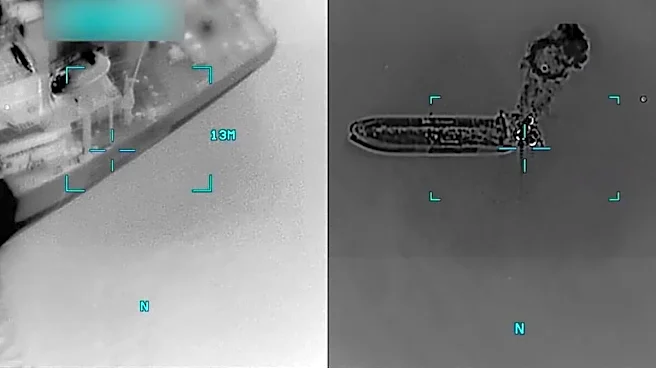
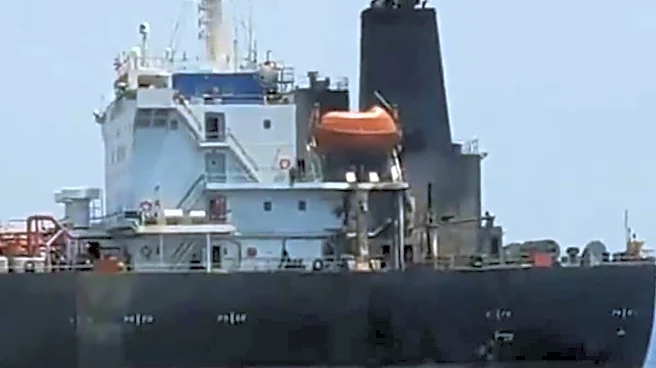
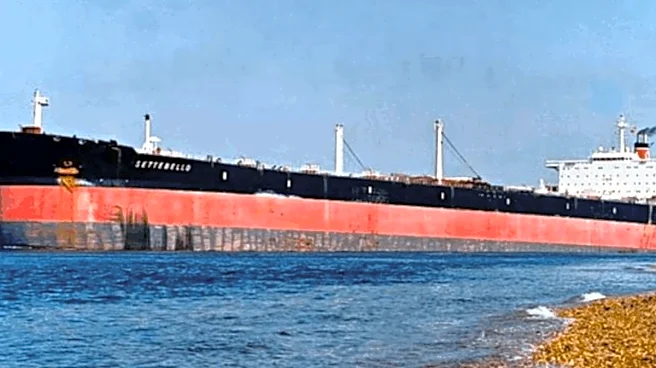
The widening military conflict in West Asia has claimed the lives of six Indian seafarers, spotlighting the extreme risks faced by the thousands of Indian maritime workers currently traversing the world’s most volatile shipping lanes. The fatalities include crew members caught in crossfire and naval strikes near critical choke points like the Strait of Hormuz and the Gulf of Oman. Most recently, a strike on the Palau-flagged oil tanker MT Settebello resulted in the tragic deaths of three Indian sailors, including a cadet, a fitter, and the chief engineer, hailing from Himachal Pradesh, Uttar Pradesh, and Andhra Pradesh.
With New Delhi lodging formal diplomatic protests and establishing emergency quick response teams, the crisis has exposed a sobering
vulnerability: Indian nationals now make up the backbone of international commercial shipping crews, inadvertently placing them on the frontlines of global conflicts.
The Global Maritime Dependency on Indian Crew
India is currently the world’s third-largest supplier of seafarers, accounting for roughly ten per cent of the global merchant navy workforce. Over 300,000 Indian maritime professionals are actively employed across international container ships, bulk carriers, and oil tankers. For global shipping conglomerates, Indian crew members are highly sought after due to their rigorous training standards, fluent command of English, and exceptional technical proficiency in navigating complex vessel machinery.
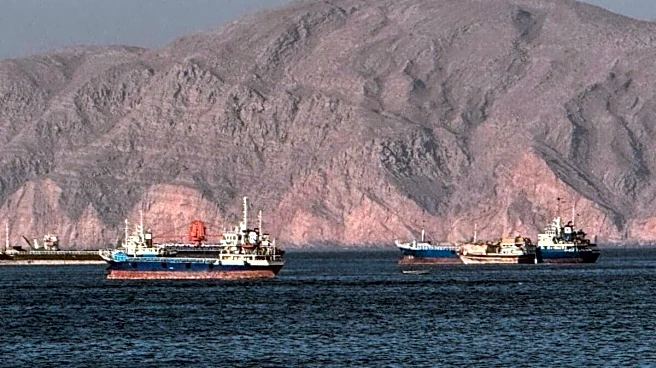
Consequently, almost every major commercial vessel transiting the Persian Gulf, Red Sea, or the Gulf of Oman carries an Indian contingent on board. As geopolitical hostilities escalate between the United States, Iran, and regional factions, these commercial routes have transformed into highly hazardous combat zones, turning neutral merchant sailors into unavoidable collateral damage.
Financial Incentives vs Tax-Free Premiums
The primary driver drawing thousands of young Indian professionals towards these perilous maritime corridors is the structural economic blueprint of a seafaring career. Employment on foreign-flagged vessels offers dollar-denominated salaries that are fundamentally incomparable to domestic land-based wages. A young cadet or junior engineer can earn several times more at sea than in an entry-level corporate engineering role in India.
Furthermore, Indian tax laws grant complete income tax exemptions to seafarers who spend more than 183 days outside the country in a financial year. The allure of building substantial generational wealth, purchasing real estate rapidly, and securing financial freedom by their early thirties drives thousands of candidates from middle-class backgrounds to actively accept the inherent occupational hazards of deep-sea navigation.
The Risk of the ‘Grey Fleet’ Chokepoints
The danger is significantly compounded by the types of vessels operating in these conflict zones. Many global seafarers find themselves assigned to the “grey” or “dark fleet”—ships that operate outside conventional monitoring systems and frequently breach international maritime blockades to transport oil and fuel.
Crew members often have very little say or prior knowledge regarding the specific geopolitical risks of their ship’s destination, as route allocations are determined strictly by corporate charters and shipping registries. While seafaring unions have strongly demanded the right for sailors to refuse assignments in high-risk zones without facing professional blacklisting or career penalties, the lack of strict international enforcement means thousands of Indian sailors continue to sail directly into harm’s way to keep global trade flowing.
/images/ppid_a911dc6a-image-17811718356183038.webp)

/images/ppid_a911dc6a-image-178117701590777312.webp)

/images/ppid_a911dc6a-image-178116124266930279.webp)
/images/ppid_59c68470-image-178118507899357859.webp)
