

/images/ppid_a911dc6a-image-177564523736581802.webp)

Imagine squeezing your face in a spring-loaded gadget every night just to get dimples or strapping on a vacuum helmet that left you dizzy for a ‘rosy glow’. Long before LED masks, jade rollers, and TikTok beauty hacks, women in the Victorian and early 20th century eras were already obsessed with achieving the “perfect” look using some truly bizarre contraptions that sound more like torture devices than beauty tools.
A fascinating but weird list of beauty history reveals how the late 1800s and early 1900s saw an explosion of innovative (and often questionable) gadgets promising slimmer faces, glowing skin, dimples, bigger busts, and flawless complexions, all in the name of beauty standards of the time.
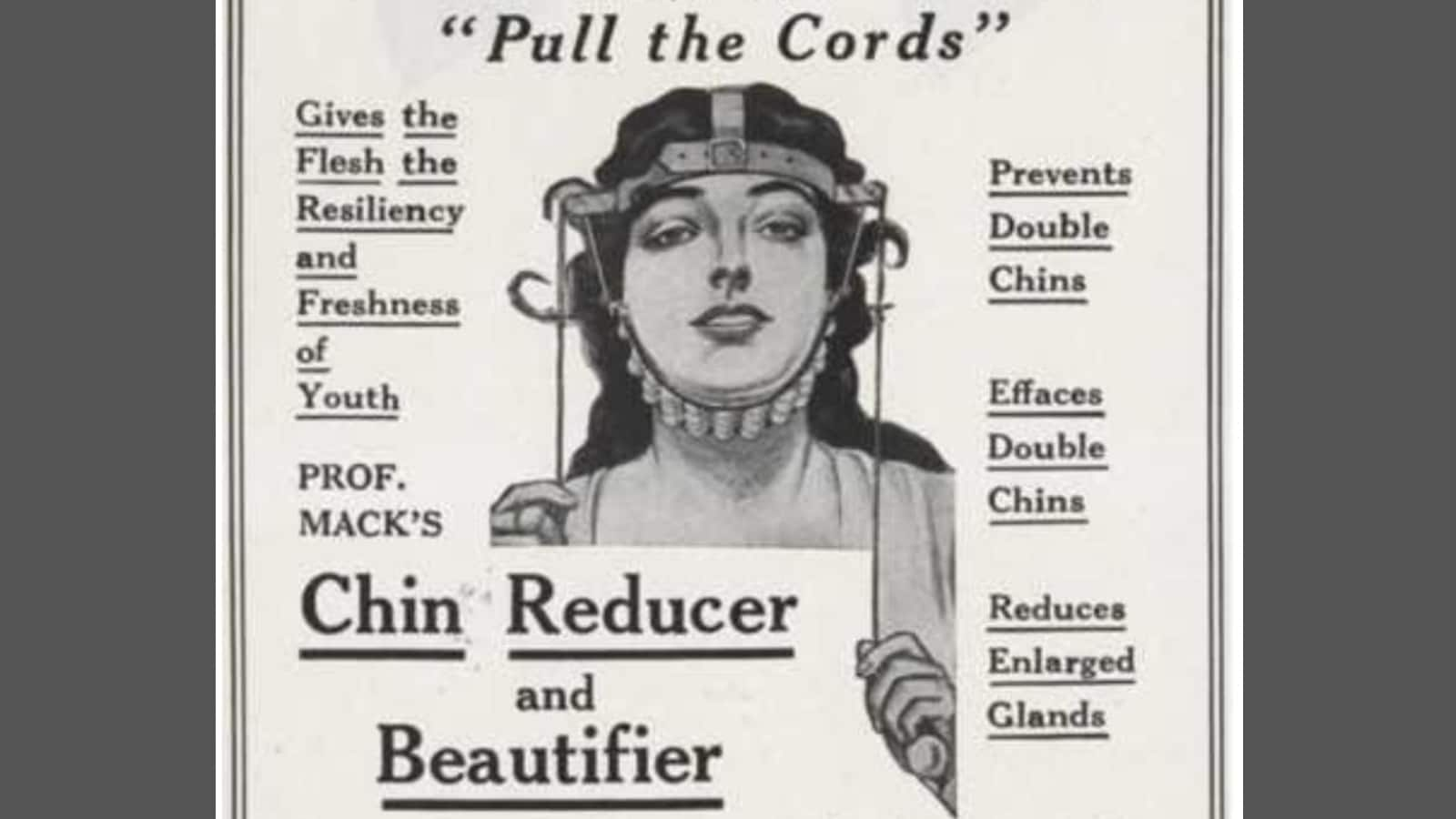
The Chin Reducer & Beautifier (1890s)
New York’s
Professor Eugene Mack invented this device to sculpt the chin, neck, and jawline by applying pressure to “treat swollen glands.” It also claimed to reduce fine lines and wrinkles. An early ancestor of today’s facial toning tools, it reflected the era’s obsession with a sharp, youthful profile.
The Dimple Maker (1936)
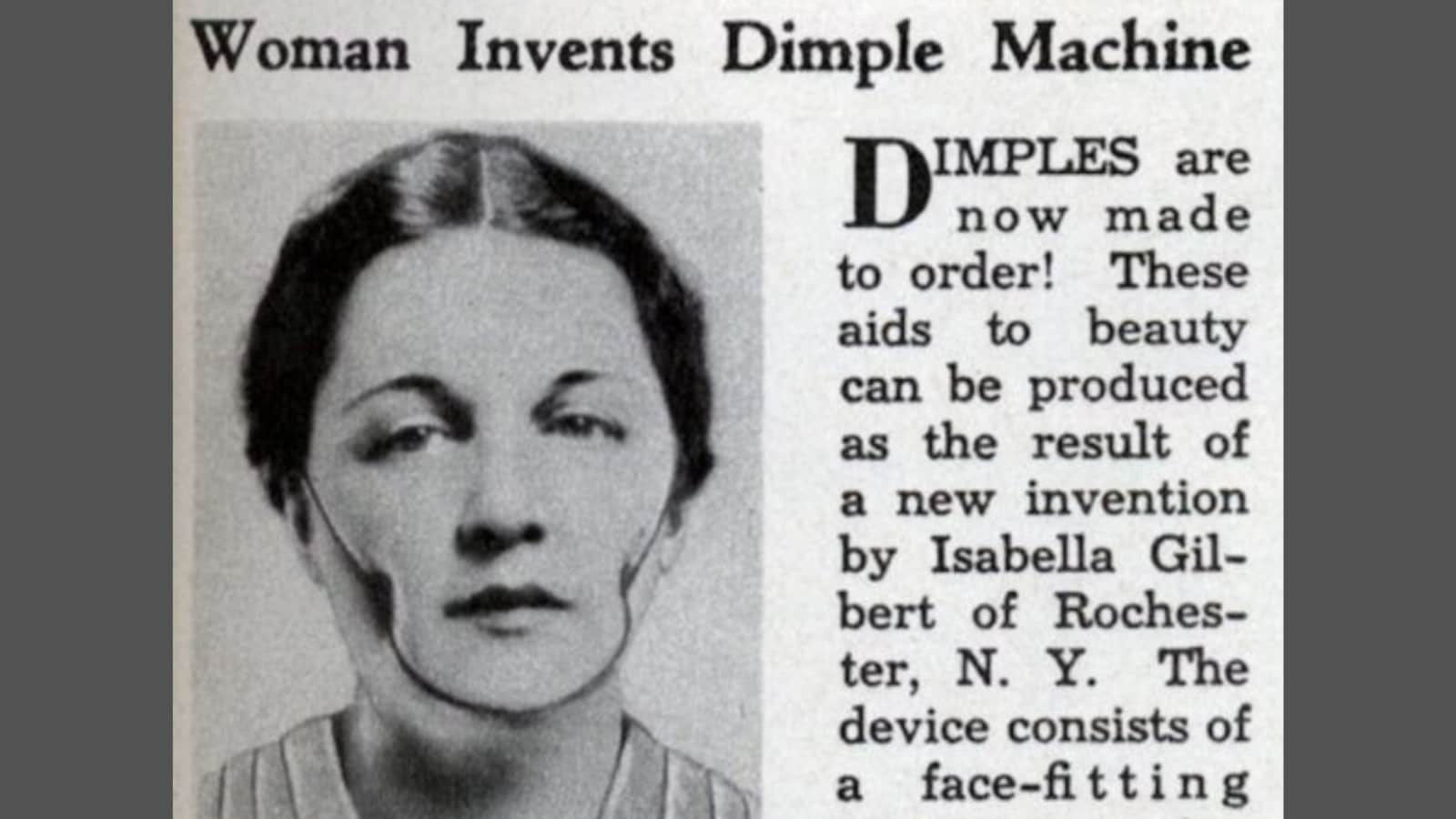
American inventor Isabella Gilbert created a spring-loaded cheek press that women wore overnight to force permanent dimples. While it tapped into the desire for “cute” facial features, it proved ineffective — and later studies even linked similar pressure devices to potential health risks.
Max Factor’s Beauty Micrometer (1933)
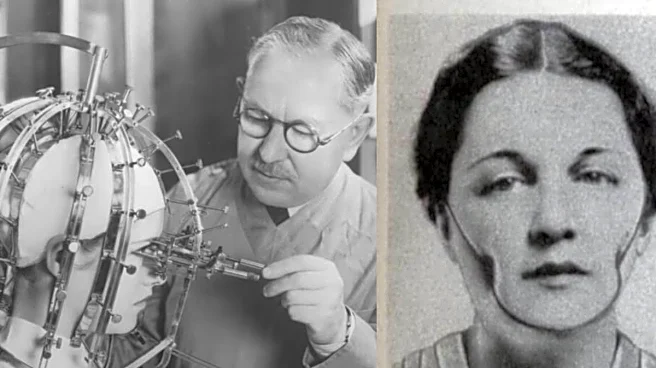
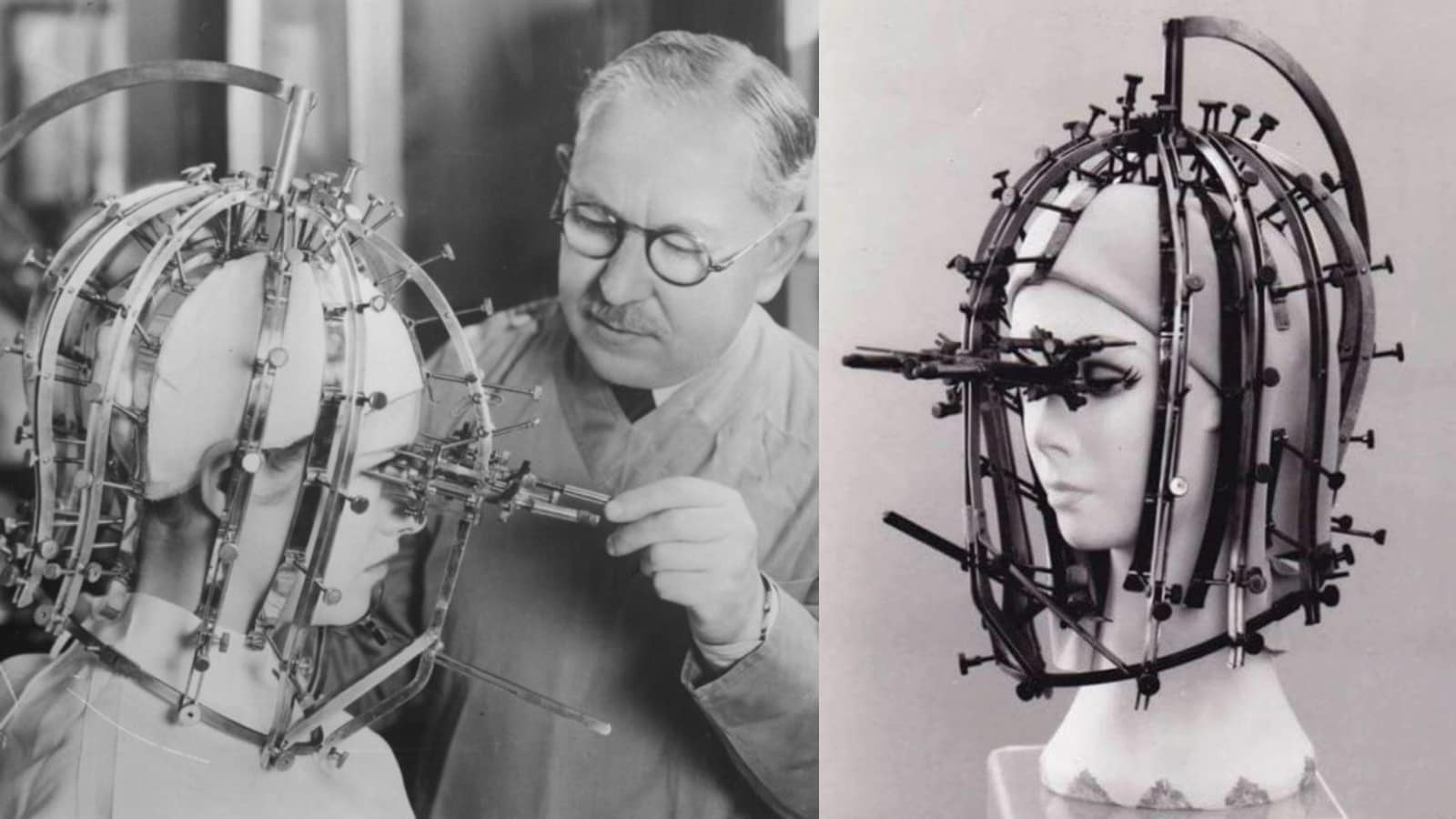
Hollywood makeup pioneer Max Factor developed this intricate measuring device to analyze facial proportions down to 1/100th of an inch. Used to identify “flaws” for perfect makeup application in films, it highlighted the growing fixation with symmetrical beauty standards during cinema’s golden age.
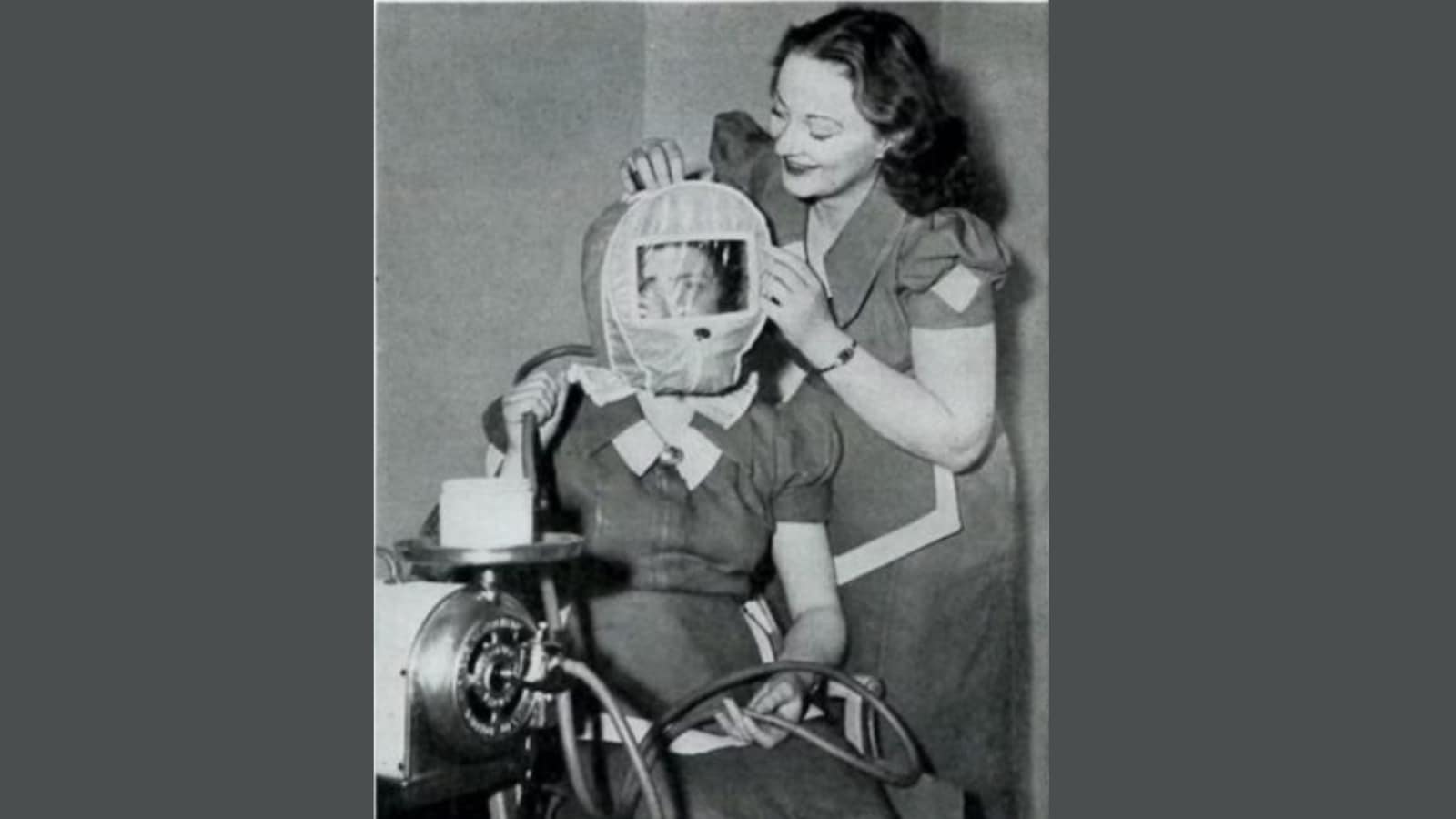
The Glamour Bonnet (Early 1900s)
Looking like a diver’s helmet, this invention by D.M. Ackerman used vacuum pressure to lower atmospheric conditions around the head, supposedly boosting blood circulation for a fresh, rosy complexion. Users often felt light-headed, high-altitude beauty came with side effects!
The Bust Developer (Early 1900s)
Resembling adjustable springs, this gadget promised to tone, uplift, and enhance the bust for a more “ideal” figure. It mirrored shifting beauty ideals toward curvier silhouettes and was one of many early at-home body-shaping tools.
The Toilet Mask (1875)
Patented by Madame Helen M. Rowley, this soft rubber mask was worn overnight to “soften and clarify” skin, improve circulation, and treat blemishes when combined with creams. Marketed as both a beauty and medical aid, it’s often seen as a quirky precursor to modern sheet masks.
These bizarre gadgets reveal how little has changed in the pursuit of beauty — women have long experimented with at-home innovations, even when the methods looked like medieval torture devices. Many ideas (facial sculpting, glow-boosting treatments, body toning) echo today’s multi-billion-dollar beauty tech industry, just with far less safety and far more discomfort.


/images/ppid_a911dc6a-image-177564522581639341.webp)