

/images/ppid_59c68470-image-178062503688799327.webp)
/images/ppid_a911dc6a-image-178063204617248350.webp)
United Nations, Jun 5 (PTI) Dreams, courage and the will to serve humanity do not have a gender, Indian woman peacekeeper Major Abhilasha Barak said on Friday, drawing upon her personal experience to underscore that opportunity enables women to break barriers and reach milestones.
Major Barak made the remarks after receiving the prestigious 2025 UN Military Gender Advocate Award from UN Secretary-General Antonio Guterres at a ceremony held here to commemorate International Day of UN Peacekeepers.
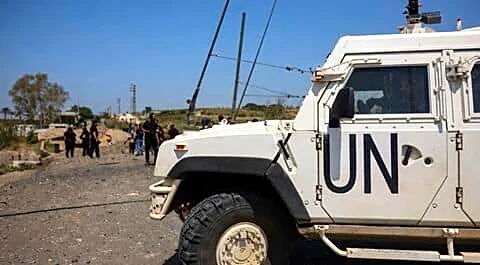
She is serving with the Indian Battalion as the Commander of the Female Engagement Team (FET) in the UN Interim Force in Lebanon (UNIFIL). She is also the first woman combat helicopter pilot of the Indian Army.
“With gratitude and humility, I accept the
2025 United Nations Military Gender Advocate Award on behalf of my UNIFIL colleagues and my country, India,” Barak said in her remarks at the ceremony.
She added that it has been an honour for her to lead India’s first Engagement Team in UNIFIL and to serve as the Military Gender Focal Point for INDBATT 26, advancing the Women, Peace and Security agenda and integrating gender perspectives into peacekeeping operations.
She said the award is a reminder that lasting peace can only be built when every voice is heard and every individual is empowered. “Because dreams do not have a gender — and neither does leadership, courage or the will to serve humanity.” She said that working in a complex operational environment taught her that real progress begins when every voice is heard, especially those of women that too often go unheard. Barak underlined that her commitment to empowerment is also personal, noting that as the first woman combat helicopter pilot in the Indian Army, she “experienced firsthand how opportunity enables women to break barriers and reach milestones.” Barak is the third recipient of the UN Military Gender Advocate award from India, after Major Suman Gawani and Major Radhika Sen were honoured for their commendable work while serving in UN Peacekeeping missions in 2019 and 2023, respectively. Highlighting her contingent’s work at UNIFIL, Barak said they carried out outreach initiatives focused on gender empowerment.
“These moments of connection helped build trust and showed me how small, consistent efforts can lead to real change,” she said.
“I firmly believe gender is not the responsibility of a few — it belongs to all of us,” she added. PTI YAS ZH ZH



/images/ppid_a911dc6a-image-178077128263347841.webp)



/images/ppid_a911dc6a-image-178065171192646070.webp)
/images/ppid_59c68470-image-178066757344654423.webp)
