
/images/ppid_a911dc6a-image-177627846997370647.webp)
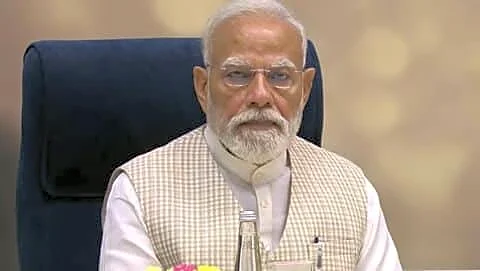
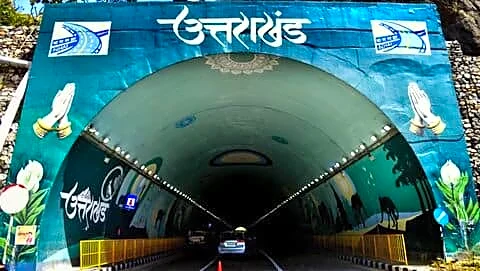
The much-anticipated Delhi-Dehradun Expressway, touted as a transformative leap for NCR’s infrastructure, is nearing completion and was inaugurated on Tuesday by Prime Minister Narendra Modi. The high-speed corridor promises to cut Delhi-Dehradun travel time to just about 2.5 hours, significantly improving regional connectivity.
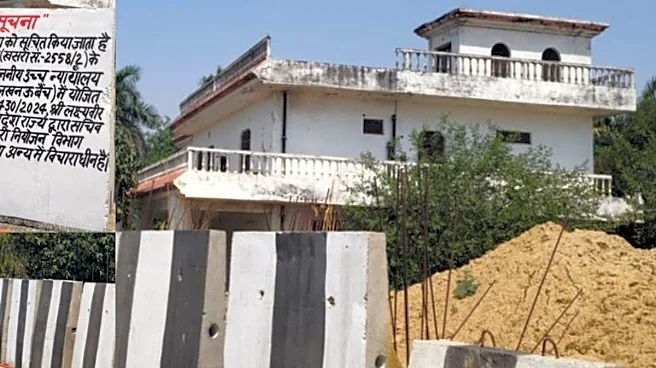
Yet, even as the project stands on the brink of full operational readiness, an unusual bottleneck threatens to disrupt its seamless rollout. In Mandola village of Loni, Ghaziabad, a two-storey house stands squarely in the path of a crucial expressway ramp, leaving a key section of the project incomplete.
The house, nearly 28 years old, has been at the centre of a prolonged legal dispute that dates back to 1998. It was
during this period that the Uttar Pradesh Housing Development Council initiated land acquisition for the Mandola housing scheme. While most landowners accepted compensation, one farmer, Virsen Saroha, challenged the move in court, refusing to sell his house. The court subsequently restrained authorities from acquiring the property.
Since then, the case has remained entangled in legal proceedings, now being pursued by the next generation of the family. The unresolved dispute has directly impacted the completion of the expressway’s main ramp at Mandola.
The National Highways Authority of India (NHAI), tasked with executing the project, requires the contested land to complete the stretch. In the interim, authorities have constructed an alternative route behind the house. However, this substitute road lacks the width and capacity of the original ramp and is expected to function more like a service lane, potentially complicating traffic flow.
The implications of the obstruction are significant. Vehicles travelling from Dehradun may face difficulties while exiting at this point due to the incomplete ramp. Additionally, the blockage affects a major interchange connecting the expressway with the Eastern Peripheral Expressway, raising concerns about smooth traffic integration. The narrower alternative road is also likely to strain traffic management, especially during peak hours.
The homeowner’s family has maintained that any acquisition should be based on current market rates, arguing that the land was initially excluded from acquisition and later brought under the expressway project. They further contend that repurposing land for a different project, when the original housing scheme never materialised, is unjust.
The matter reached the Supreme Court in 2024, which directed the Allahabad High Court to expedite a decision. Until a resolution is reached, a single house continues to stand between a flagship infrastructure project and its full completion.

/images/ppid_a911dc6a-image-177651687357880795.webp)


/images/ppid_a911dc6a-image-177648393374884166.webp)
/images/ppid_a911dc6a-image-17764787385213470.webp)