
/images/ppid_59c68470-image-177079012148080585.webp)
/images/ppid_59c68470-image-177079009037957749.webp)
/images/ppid_59c68470-image-177079006320740736.webp)
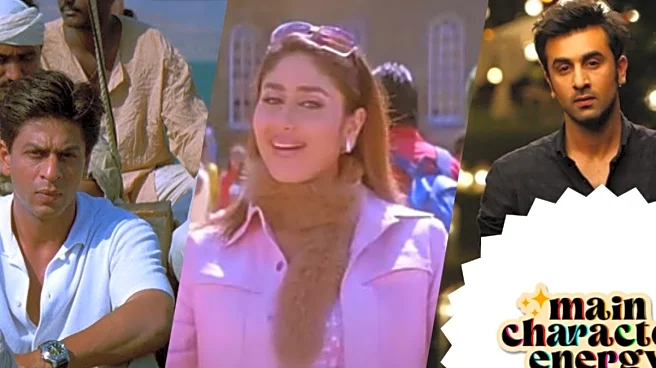
In 2026, Bollywood characters are no longer just figures on screen, they are co-stars in our everyday lives. Fans are treating Poo from K3G, Rani from Queen, or Srikant Tiwari from The Family Man as avatars for their own “main character energy”, borrowing their confidence, sarcasm, and quirks to navigate offices, relationships, and social media feeds.
This isn’t just fandom in the traditional sense. It’s a growing socially cultural phenomenon where viewers borrow personalities, catchphrases, and emotional registers, treating them as modular tools to navigate the chaos of daily life. Resulting in a form of “main character energy” that extends far beyond cinematic release cycles, turning classic and contemporary characters alike into living templates
for identity, aspiration, and satire.
What Is The Main Character Energy Phenomenon?
The phrase main character energy started as internet shorthand for confidence and self-focus but in India, it’s taken on a life of its own. Viewers treat characters as alter-egos they can summon at will—sometimes ironically, sometimes sincerely.
“People are using characters as shorthand for feelings they don’t have the vocabulary for,” says Mumbai-based cultural psychologist Rhea Daruwalla. “It’s easier to say ‘I’m feeling a bit Srikant Tiwari today’ than to describe exhaustion, cynicism, and resilience all at once.”
A reel, a meme, a reel-within-a-meme shows how we interact with characters today because we aren’t just consuming characters, we’re auditioning for them and sometimes, for a brief stretch of the day, we get to be the ‘main character’ after all.
The Secret Life of Bollywood Characters in Your Reels and Reality
Some characters stay with us long after the credits roll, not just because they are memorable or iconic, but because they feel real. They are flawed, humorous, conflicted, and human—characters we recognise in ourselves, our friends, or even our own daily struggles. This combination of larger-than-life presence and relatable traits is what makes them perfect for the new digital age, where fans remix, spoof, and inhabit their personalities across social media. These are the characters whose voices, gestures, and quirks have transcended screens to become part of everyday cultural conversation.
Bunny from Yeh Jawaani Hai Deewani is one such figure- a carefree, charming wanderer whose optimism masks the anxieties of adulthood. His impulsive choices, humorous banter, and romantic highs and lows have made him a favourite for reels that explore the tension between ambition and friendship.
Poo from Kabhi Khushi Kabhie Gham, as ever, embodies unapologetic confidence, with the classic “gym class today” giving viewers permission to own their space and assert themselves, even in modern workplaces or social settings.
Geet from Jab We Met too embodies this effortless confidence, with her effervescent energy and optimism establishing “Ki mei toh apni favourite hu” vibe- qualities that translate perfectly into social media memes, skits, and reels.
Mohan Bhargava from Swades provides moral clarity, optimism, and the enduring sense that one person can make a difference, even in small, everyday ways. Shah Rukh Khan’s grounded, earnest nature in the movie makes him a symbol of responsibility, compassion, and idealism. With people creating reels of missing their homeland amidst buying groceries and cooking for themselves alone in a new city.
Rani on the other hand is the Queen of drama but with the dash of courage to start over, to leave comfort zones, and to redefine oneself on unfamiliar terrain. Her journey resonates with anyone seeking independence over the age-old idea of a happy marriage and settled life.
In the movie Tamasha, Ved although suffering everyday peeks into the modern world of rewarded burnout, professional articulation of workplace frustration, restlessness, and identity crises.
Kaira from Dear Zindagi opens a window into emotional honesty, showing that vulnerability is not weakness and that confronting feelings can be transformative. Srikant Tiwari’s character in Family embodies the blend of cynicism, humour, and moral responsibility that defines modern adulthood. His sarcastic narration, pragmatic problem-solving, and vulnerability make him instantly relatable to viewers navigating complex work and personal lives. On social media, his deadpan expressions and witty commentary are often remixed to convey frustration, resilience, or the quiet heroism found in managing life’s endless chaos.
And Pankaj Tripathi’s Narottam from Bareilly Ki Barfi brings quiet reassurance, grounded humour, and a reminder that calm observation and patience can often see us through life’s absurdities.
How Bollywood Storytelling Became Participatory?
The shift isn’t only psychological, it’s structural. OTT platforms have created characters who speak in human rhythms with hesitations, imperfections, contradictions. These are easy to excerpt, remix, and adapt into bite-sized digital cultures.
Meanwhile, older film characters gain new life through irony and recontextualisation. K3G may be over two decades old, but Poo’s mannerisms feel primed for re-enactment in a 15-second reel.
The internet loves characters with a distinct emotional register. If a character has a recognisable tone sarcastic, hopeful, chaotic it becomes a template. And audiences love templates.
The Comfort of a Ready-Made Identity
Audiences today face pressures previous decades didn’t: fragmented attention, unstable careers, algorithmic comparison. In this environment, characters offer a kind of emotional infrastructure.
Poo from Kabhi Khushi Kabhie Gham has become a shorthand for unapologetic confidence, a reminder that self-assurance isn’t arrogance, it’s claiming space and owning your choices, even in the face of judgment or chaos. Rani from Queen offers a quiet kind of courage, showing that starting over, alone or uncertain, can lead to self-discovery and unexpected strength; her journey validates the risks of stepping outside comfort zones. Ved from Tamasha, with his existential doubts and emotional breakdowns, gives viewers a language to articulate modern burnout, a recognition that confusion, frustration, and longing are part of growth.
Kaira from Dear Zindagi opens the door to emotional honesty, inviting audiences to confront feelings rather than suppress them, to acknowledge vulnerability without shame. And Pankaj Tripathi’s Narottam from Bareilly Ki Barfi provides a grounded, reassuring presence, a reminder that calm observation, quiet humour, and patience can guide us through the small absurdities of everyday life.
Together, these characters form a spectrum of emotional tools, giving viewers permission to feel, react, and sometimes even perform their lives with the confidence, courage, and self-awareness these cinematic personalities embody. And Srikant Tiwari, from The Family Man, with his dry humour and weary competence, has become the unofficial spokesperson of modern adulthood. People aren’t role-playing these characters, they’re using them like emotional shorthand, momentary companions to refocus on the everyday.
The Indian audience has always had a deeply emotional connection with its cinematic characters. From Raj and Simran to Vijay and Geet, audiences have celebrated, mourned, and rooted for these heroes across generations. But today, that connection feels different and it more intimate, almost personal and no longer about fandom or idolisation, nor is it about obsessively tracking the latest releases.
With reels and attention both shortening, a movie dialogue, an iconic gesture, a sarcastic glance becomes more than entertainment, it becomes a lens through which people interpret their own experiences. In this sense, identity itself has become modular. Just as reels and memes allow creators to remix scenes and personalities, audiences are remixing elements of cinematic characters into their own daily lives to establish grounds of nostalgia and relatability.
/images/ppid_a911dc6a-image-177079364946457643.webp)

/images/ppid_a911dc6a-image-177079360965438046.webp)
/images/ppid_a911dc6a-image-17707935310418520.webp)
/images/ppid_a911dc6a-image-177079356722942232.webp)
/images/ppid_a911dc6a-image-177079368493449820.webp)
/images/ppid_a911dc6a-image-177079353225346676.webp)

/images/ppid_59c68470-image-177079254546880916.webp)

/images/ppid_59c68470-image-177079253454926240.webp)