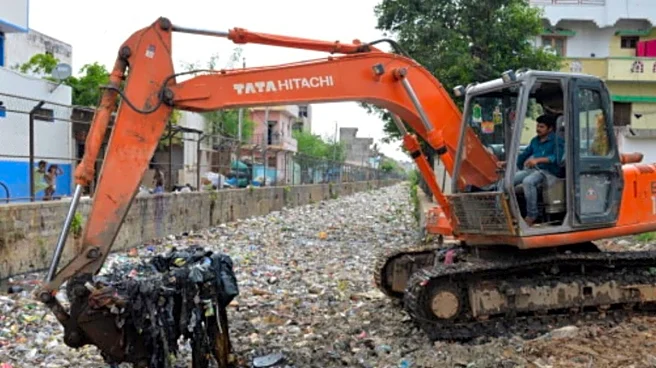



Bengaluru’s long-standing plastic waste problem may finally have found a workable solution. The city has begun monetising plastic waste by supplying it to a cement manufacturer, turning an environmental challenge into a source of revenue.
The Greater Bengaluru Authority (GBA), through the Bruhat Bengaluru Solid Waste Management Limited (BSWML), has started transporting plastic waste collected from the city’s solid waste management units to Dalmia Cement’s facility in Kadapa, Andhra Pradesh. An agreement has been signed with the company, and the transportation of plastic waste began on Monday.
160 Tonnes Moved on Day One
On the first day, around 160 tonnes of plastic waste were transported to Kadapa using GBA trucks. According to officials, Bengaluru
generates and segregates between 350 and 400 tonnes of plastic waste every day. The quantity sent to the cement plant is expected to increase gradually in the coming days.
This initiative is expected to significantly reduce the burden of non-biodegradable materials such as plastic and polythene that otherwise end up in landfills.
How The Bengaluru’s Garbage Problem Will Boost Revenue?
Speaking to News18, BSWML CEO Karigowda said the city segregates an average of 350 metric tonnes of low-value plastic daily. He explained that even facilities at Bidadi are unable to process such large quantities, prompting the decision to send the waste to Dalmia Cement.
In return, the cement company provides Extended Producer Responsibility (EPR) credits worth ₹2,000 per tonne of plastic waste. These credits can be sold to various companies and converted into revenue for the civic body.
“Earlier, this plastic was being sent for landfilling, which was harmful to the environment. Now, we are segregating it properly and ensuring scientific disposal,” the CEO said.
Relief For the City’s Plastic Crisis
Officials say the move not only helps in reducing plastic waste but also creates a sustainable financial model for waste management. With Bengaluru struggling for years to manage plastic disposal, the new arrangement offers a practical alternative to dumping and landfilling.
While expectations are high, authorities say the long-term success of the initiative will depend on consistent segregation, transportation, and market demand for EPR credits.
(Reported by: Ashiq Mulki, News18, Bengaluru)