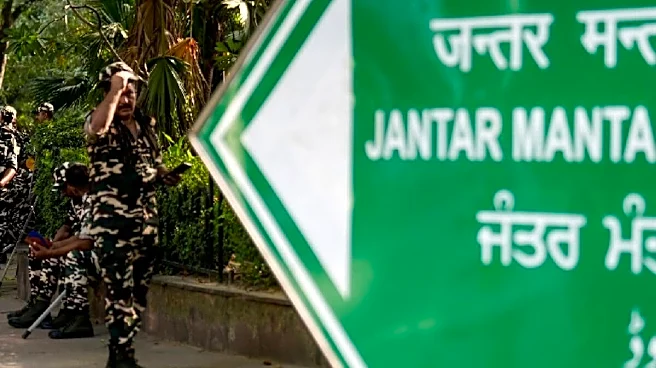


Jantar Mantar strikes a chime of time. It says, “Main samay hoon” (I am time).
Built as an astronomical observatory in the 18th century, this piece of history has long fascinated people with its instruments for measuring time and tracking celestial movements. But more than time, Jantar Mantar has lent space to history.
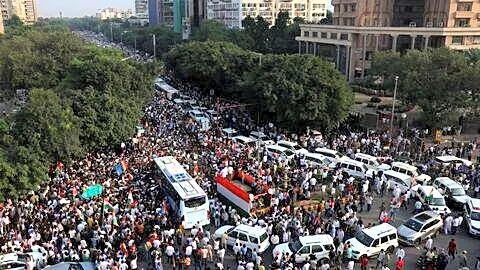
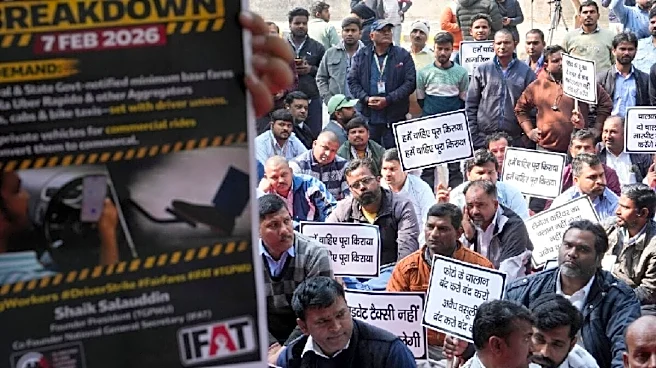
Over the years, it has emerged as a site for protests, some of which have been game changers. But look at the irony.
Jantar Mantar has now lost its status as a designated protest site. The spot that became a witness to decades of dissent faces the prospect of fading into history itself.
Jantar Mantar became the go-to spot for protests after the earlier venue, the Boat Club lawns, was restricted in 1993.
The Boat Club had been a major
site for demonstrations, but the scale of protests and security concerns around government offices led to restrictions on gatherings there. Jantar Mantar then emerged as an alternative.
It ticked the right boxes. It was in the heart of Delhi, close to Connaught Place and Parliament, well connected and easily accessible. It was also close enough to the seat of power for protesters to make themselves heard, even if the space available to them was limited.
And so began Jantar Mantar’s long tryst with dissent. Over time, it became more than a stretch of road where people gathered with placards and raised slogans.
It became a landmark for affordable food joints, a meeting point for those who had travelled from across the country, and a place where ordinary Indians could bring their grievances to the national capital.
There have been many iconic protests.
Among the most recent was the agitation led by the Cockroach Janta Party (CJP) and students over the examination paper leak controversy, which ultimately led to Union Education Minister Dharmendra Pradhan’s resignation. But this was far from the only movement to leave its mark on the site.
The famous India Against Corruption, or Anna Hazare, movement began here in 2011. The agitation put the UPA government under enormous pressure, and the crowds grew so large that the protest had to move to Ramlila Maidan.
Yet Jantar Mantar remained closely associated with the movement that helped bring the demand for a strong anti-corruption law into the national spotlight.
The protest by young women wrestlers against former Wrestling Federation of India chief Brij Bhushan Sharan Singh also began here.
Their agitation brought allegations against him into national focus. He was subsequently denied a Lok Sabha ticket, and the episode became another chapter in Jantar Mantar’s long history of protest.
From Tamil Nadu farmers’ demands to demonstrations against the Citizenship Amendment Act (CAA), Jantar Mantar became a landmark for those seeking to challenge the establishment and draw attention to issues they believed had been ignored.
You had an issue, and the call was “Jantar Mantar Chalo!” Much like Netaji Subhas Chandra Bose’s “Dilli Chalo” slogan. The people who came here were not all political leaders or seasoned activists. They were farmers, students, workers, teachers, women fighting for justice and citizens who believed that someone in power had to listen.
For a child watching a Doordarshan programme or reading about peaceful protest in a school textbook, Jantar Mantar could represent the idea that democracy was not confined to Parliament or the ballot box.
The farmer who had travelled from Tamil Nadu, the student from a small town, the worker with a grievance, the woman challenging a powerful man: they all brought their own stories to the capital.
For many, Jantar Mantar was where those stories could become part of a national conversation.
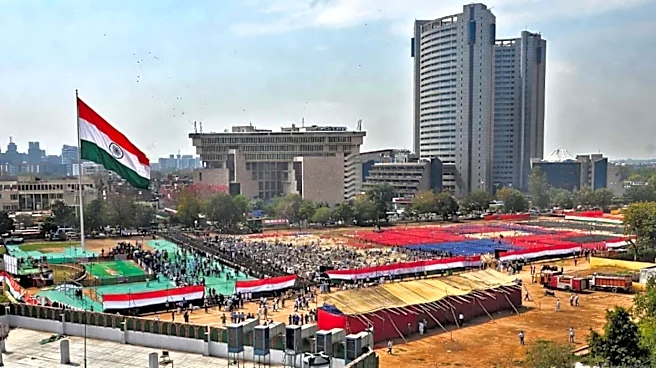
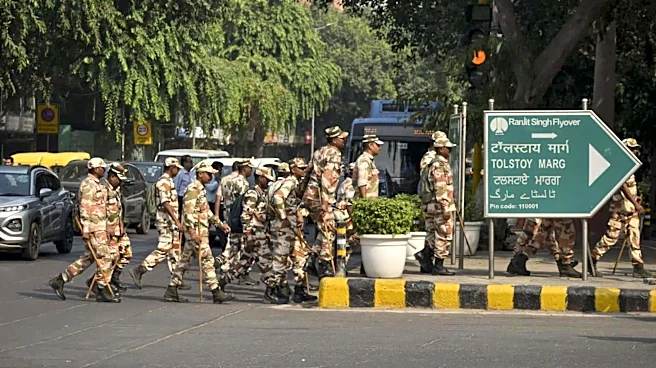
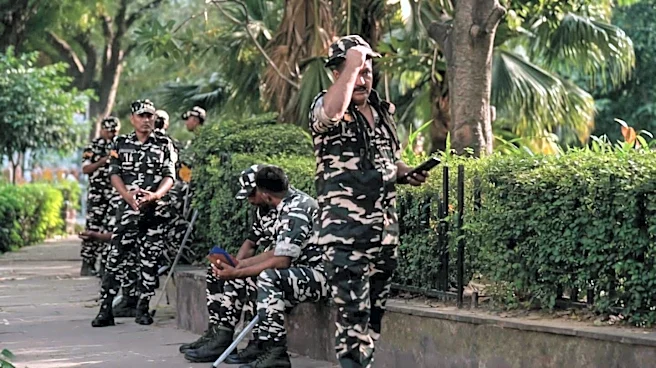
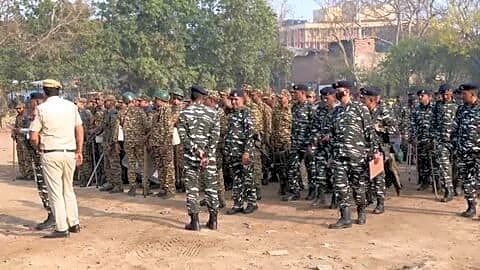
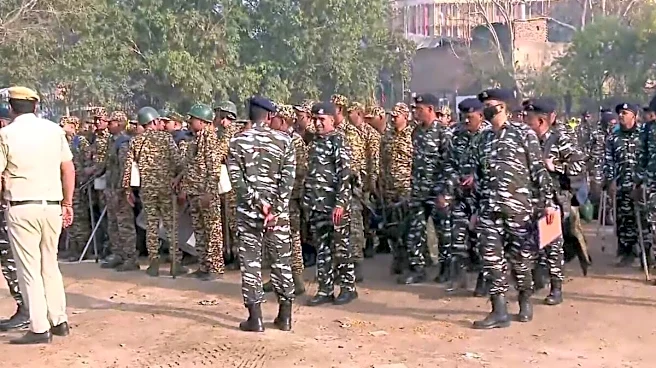
Now, Jantar Mantar’s status as a designated protest site has ended. Delhi Police has named Ramlila Ground, Burari Ground and CBD Ground in east Delhi as alternative venues for demonstrations. Barricades may be rolled back, and the familiar weekend food joints may dry up.
The 18th-century observatory will remain. But the other Jantar Mantar, the one shaped by farmers, students, wrestlers, workers and citizens who came here to be heard, risks becoming a capsule of time, much like the observatory that gave the place its name.
With Jantar Mantar losing its status as a designated protest site, a slice of Delhi may be lost to time. But the history made here will continue to echo.